EXW vs FOB vs CIF: Shipping Terms That Decide Your Landed Cost
On a wholesale quotation, the price you see is not the cost you pay. The same hoodie style can be quoted EXW, FOB or CIF, and the difference between those three letters can move your landed cost per piece by several percent. This article explains what each term covers, where the boundaries are, and how to compare quotes without mixing apples and oranges.
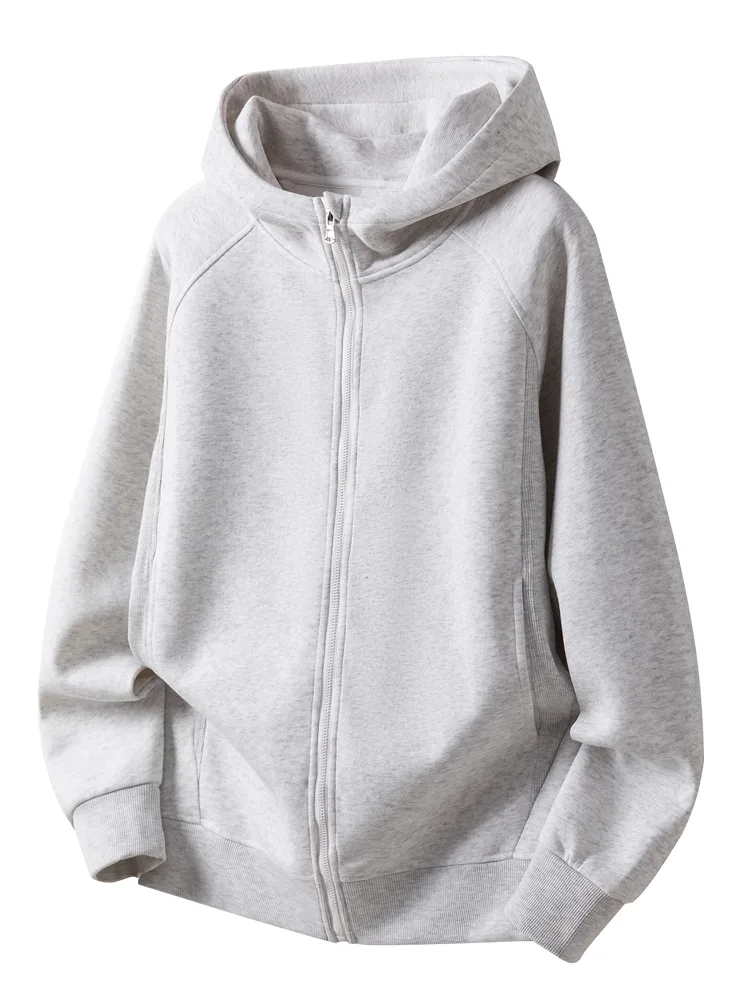
The same garment, three different quotations. EXW, FOB and CIF are not prices - they are three different sets of responsibilities.
What each term actually covers
EXW (Ex Works) is the factory-door price. The seller makes the goods available at their premises; from that point, everything - loading, trucking to the port, export clearance, ocean freight, insurance, destination charges - is the buyer's job. EXW is the lowest number on paper and the highest amount of work.
FOB (Free On Board) means the seller delivers the goods cleared for export onto the vessel at the named port of shipment. Trucking and export customs are included in the price; ocean freight, insurance and everything after arrival are not. For most overseas buyers working with a freight forwarder, FOB is the most practical baseline.
CIF (Cost, Insurance and Freight) means the seller also pays ocean freight and minimum insurance to the named destination port. It looks like the easiest option - and it is the one where buyers most often misunderstand the risk.
The risk boundary does not move with CIF
Here is the part that surprises many first-time buyers: under CIF, the seller pays for freight and insurance to your port, but the risk still transfers when the goods are loaded on the vessel at the origin port. If a container is damaged mid-ocean, the claim runs through the insurance policy, not through the seller. Paying for transport is not the same as owning the risk during transport.
There is nothing wrong with CIF - it is convenient for buyers without a forwarder. But you should know which party handles the claim, who the insurance covers, and what the destination charges (handling, documentation, customs) will be, because CIF does not include them.
How to compare quotes correctly
The rule is simple: compare like with like. Comparing one supplier's EXW price against another's FOB price tells you nothing, because the first quote is missing costs the second one includes. Pick one term - FOB is the usual choice - and ask every supplier to quote on that basis.
Then build your landed cost on top of it: FOB price, plus ocean freight, plus destination charges, plus customs duty and taxes, plus inland haulage to your warehouse. Divide by the number of sellable pieces. That final number - not the quotation - is what decides whether a style is worth ordering.
Four mistakes that quietly raise landed cost
- Mixed-term comparison. EXW from supplier A vs FOB from supplier B is not a comparison; it is an arithmetic error waiting to happen.
- Forgetting destination charges. Freight is one line; unloading, documentation and customs fees at your port are several more. Ask your forwarder to estimate them before you commit.
- Treating CIF as door-to-door. CIF stops at the destination port. Duty, clearance and inland transport are still yours.
- Sending trial orders by sea by default. For sample quantities, air courier often costs less in total once you count customs handling and the weeks of waiting - time you could use to test the market.
Practical takeaway
Ask every supplier to quote FOB, get a freight estimate before confirming anything, and calculate landed cost per piece before you compare styles. Ten minutes of arithmetic before an order prevents the most common surprise in wholesale buying: a product that looked profitable at the quoted price and lost money at the port.
Freight, duty and inland haulage all sit on top of the FOB price. Landed cost per piece is what decides whether a style is worth ordering.
Comments / 评论
No comments yet. Be the first.