The Trial Order: Designing a First Buy That Actually Tests a New Supplier
Before you hand a new supplier a season, you hand them an order, and that first order is the cheapest evidence you will ever buy. Most buyers treat it as a product test; it is a weak product test and a strong relationship test. An earlier article covered which hands a buy should pass through; this one stays inside one hand.
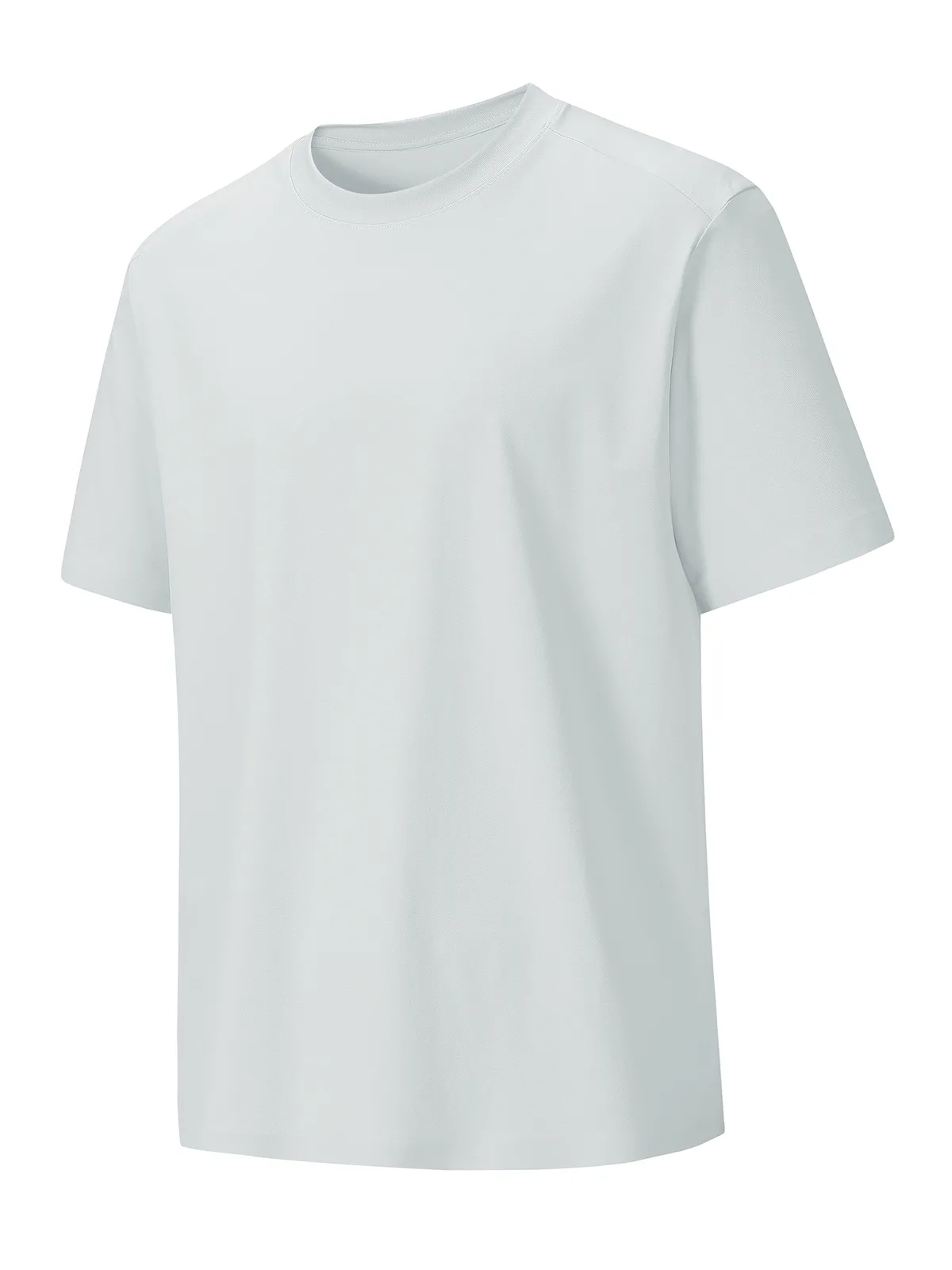
A plain crew tee can be sewn almost anywhere: passing that test shows a line can run, not how the same people behave once the order is real.
A trial order tests the relationship, not only the goods.
Samples already told you what a factory can do while trying to win you. They cannot show how the same people behave once money is committed: how fast ordinary questions get answered, what happens when a fabric is late or a shade fails, whether the run matches the sealed sample. Those answers decide your next season, and a trial is the only affordable place to ask.
A trial can be too small to prove anything, or too varied to read.
A trial needs enough volume to occupy real capacity and force real planning; a run that fits into spare scraps never meets the scheduling decisions your season will meet. It also has to stay narrow: mix many styles, colours and sizes and the result becomes unreadable, because you will not know which part caused the delay, the shade drift or the loose seam. Wide enough to be a genuine order, narrow enough that a problem points somewhere.
The style you trial should be the style you intend to repeat.
Buyers often trial with the simplest thing they can find and learn nothing spendable. A plain crew tee can be sewn almost anywhere, so passing that test says little about the constructed styles that carry your margin. Put the construction you plan to scale in front of the new hand: collar, placket, pockets, the seams hardest to hold. A trial on a style you will never reorder has no home for its result.
Payment structure decides what the trial can read.
Payment sets the temperature of the read. Terms that leave a supplier exposed make a cautious supplier defensive, padding dates and protecting itself, and you end up measuring caution rather than competence; terms paid against verifiable milestones buy calm. Use the structure you intend on real volume, place each payment beside its milestone, and be careful with talk of seasons ahead: loose promises about a large programme change behaviour on a small order.
The trial closes with a written review, not an impression.
A trial that ends in a feeling becomes a habit. Decide before you place it what would make the answer a yes, a no, or another round, then review against the criteria you would use for a repeat: reply speed on ordinary questions and on bad news, the handling of an exception, consistency against the sealed sample, accuracy of documents. Write it down, date it, and name the next order: promotion, another trial on a different style, or archive.
Before the trial order leaves your desk, put these on one page:
- Which construction the trial must contain, and why you mean to repeat that style.
- How wide the range goes, so a defect points at a cause.
- Which behaviours you are testing, and who watches each.
- Which payment structure, and which milestone each payment follows.
A trial order is not a small order; it is a designed one. Narrow enough to read, wide enough to be real, built on a style you mean to repeat, paid on terms you mean to keep, closed in writing. Skip the design and the same information is bought later, at full price, after the season.
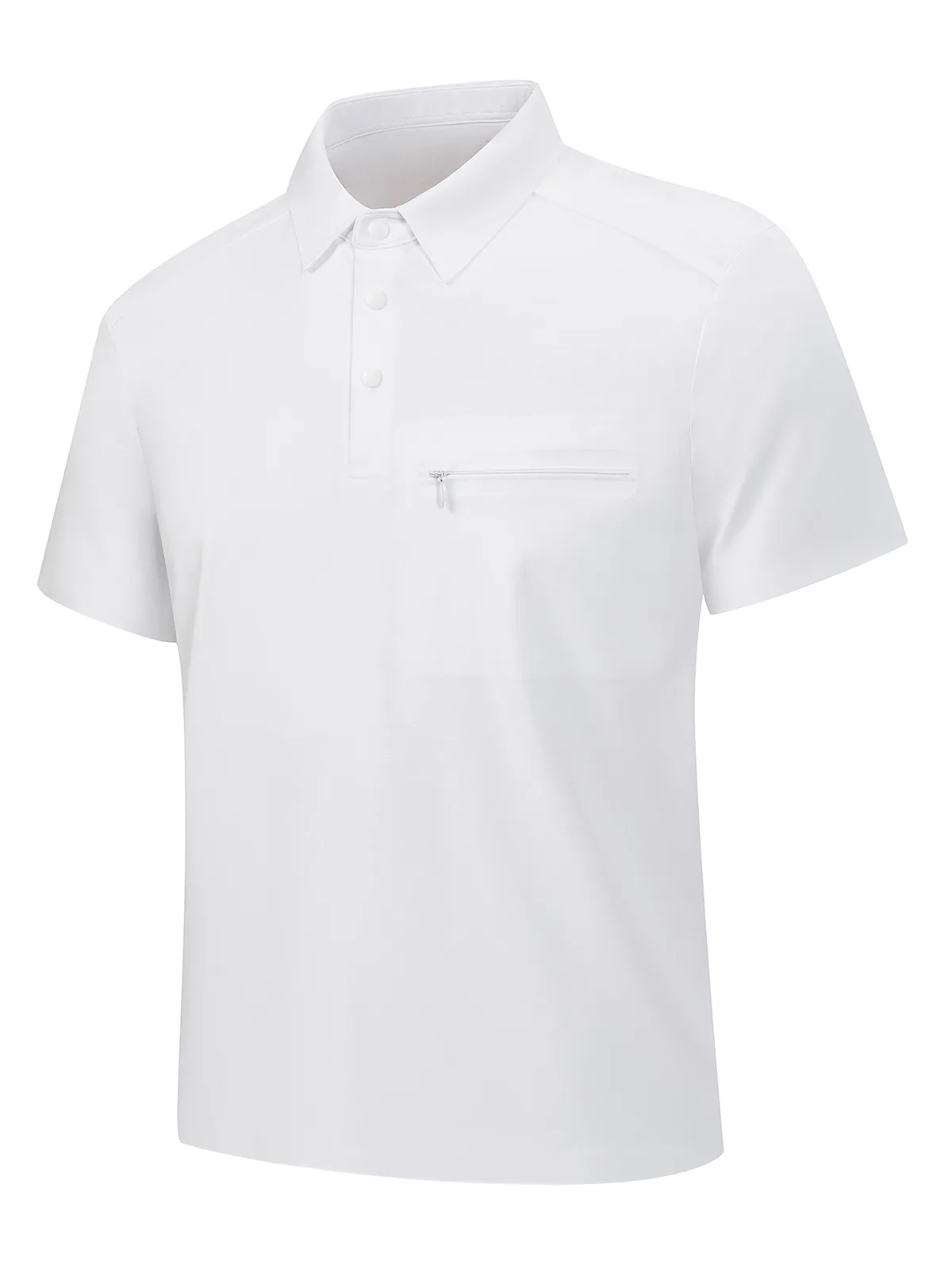
A collar, a placket and a pocket are where consistency is hardest to hold: that is the construction worth putting in front of a new hand.
Comments / 评论
No comments yet. Be the first.