When to Bring in a Third-Party Inspection: Timing, Scope and What the Report Can Prove
Most buyers check goods with their own eyes, their own staff, or a long-serving agent. Earlier pieces here covered how to inspect before shipment and why a sealed counter-sample sets the standard. This one is about a different decision: who performs the checking, and when paying an independent inspector is worth it. The question is not whether third-party inspection is good practice, but when it changes the quality of the evidence you hold.

The placket, the collar seam and the stitching are what an inspector records piece by piece - but only against a standard written before the goods existed. The report names the points; the specification decided them.
Your own checking and a third party's checking answer different questions.
Your own checking, in the room, serves learning and control: you see the faults, push for corrections, and learn how a supplier behaves under pressure. A third party produces something else - neutral evidence for people who were not in the room: a partner, a backer, colleagues in another office. The factory knows your own eyes can be argued with; an independent report is harder to dismiss afterwards. So the choice is not about skill at all. It is about who has to believe the result.
The right moment sits before the balance payment, not after the dispute.
Timing decides whether an inspection becomes a control or a complaint. Brought in after goods have failed or a claim has opened, the inspector can only produce testimony, and every side reads it as advocacy. Brought in on finished, packed goods before the final payment, the same report is leverage: findings can be corrected, a re-inspection scheduled, and the money has not left your account. For a first order with an unproven supplier, an interim look during production narrows systematic faults while the line can still fix them cheaply.
The commission letter decides what the report can prove.
Scope belongs in writing before anyone travels. Which standard the goods are judged against - your order specification and the sealed sample, not a general idea of trade quality. The sampling method, and who defines how severe a defect is. What the inspector may decide on the spot, and what the report must carry: photographs of defects, packing and carton checks, references to the sample identifiers. Every gap in the commission letter becomes a gap in the evidence later.
A third-party report applies your standard; it does not write it.
Delegating the eyes does not delegate the specification. If the order leaves tolerance, shade or packing language open, the report will simply record what was found against whatever was written - which may be nothing. The inspector also needs the physical reference: a sealed sample held or shipped to them, not a photograph of one. An inspection cannot rescue an underspecified order; it can only make the specification's weaknesses visible in writing.
Before commissioning an independent inspection, fix each point in writing:
- The standard being judged: order specification plus the sealed sample, referenced by its identifier.
- The stage and the state of the goods: finished, packed, ready for loading.
- The sampling method, and who decides the severity of a defect.
- The decision you want out of it: pass, fail or hold - and who is told first.
- The evidence the report must carry: defect photographs, packing checks, carton markings.
Buy the inspection when credibility, not skill, is what you are missing.
A buyer with trusted staff on the ground may never need one; a buyer whose goods are judged remotely - by partners, backers or colleagues in another office - is buying credibility, and should treat it as such. Commission it once, before the balance, against a standard you wrote, and the report is a document. Call for it after the damage, and it is only a debate in costume.
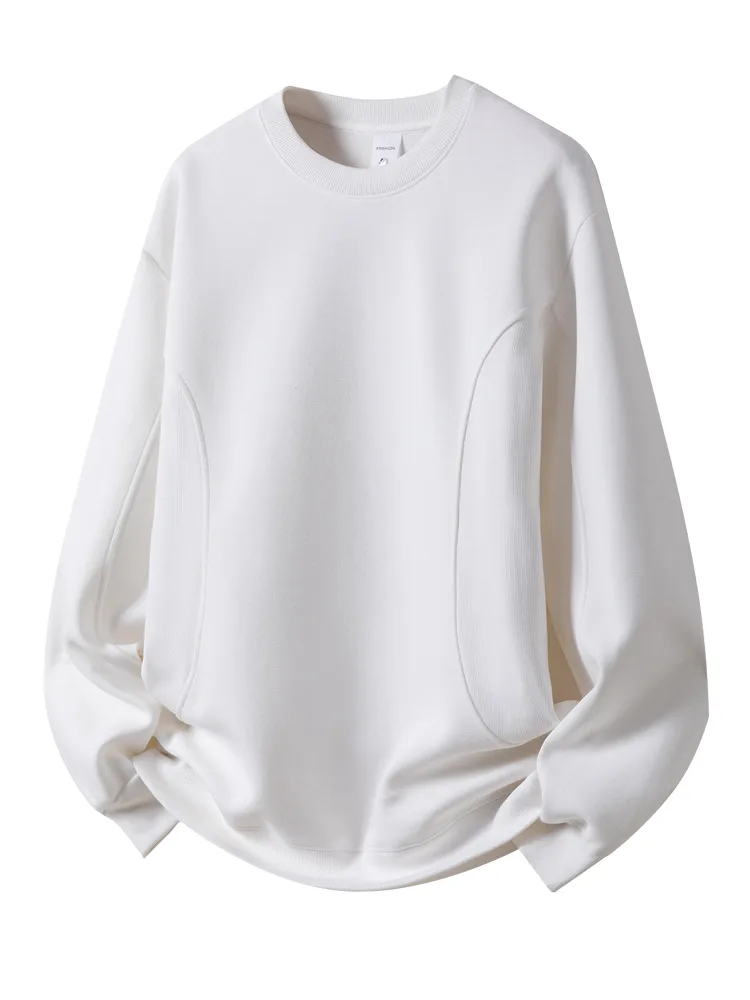
An independent inspection earns its cost at exactly this state: goods finished and packed, the balance unpaid - when a finding can still become a correction instead of testimony.
Comments / 评论
No comments yet. Be the first.