The Supplier Review: Reading Your Order File Before the Next Wholesale Order
Reordering decisions often rest on whatever happened most recently. A smooth last shipment earns a bigger repeat; a disputed one quietly ends the relationship. But a single order is a small sample of a supplier - one calm shipment and one angry claim can sit inside the same partnership, separated by a season of changes neither side controlled. A supplier review is how a buyer without a sourcing department turns scattered orders into evidence. One boundary first: auditing a factory means walking the plant, which we treat elsewhere. This piece is about reading the file you already own.
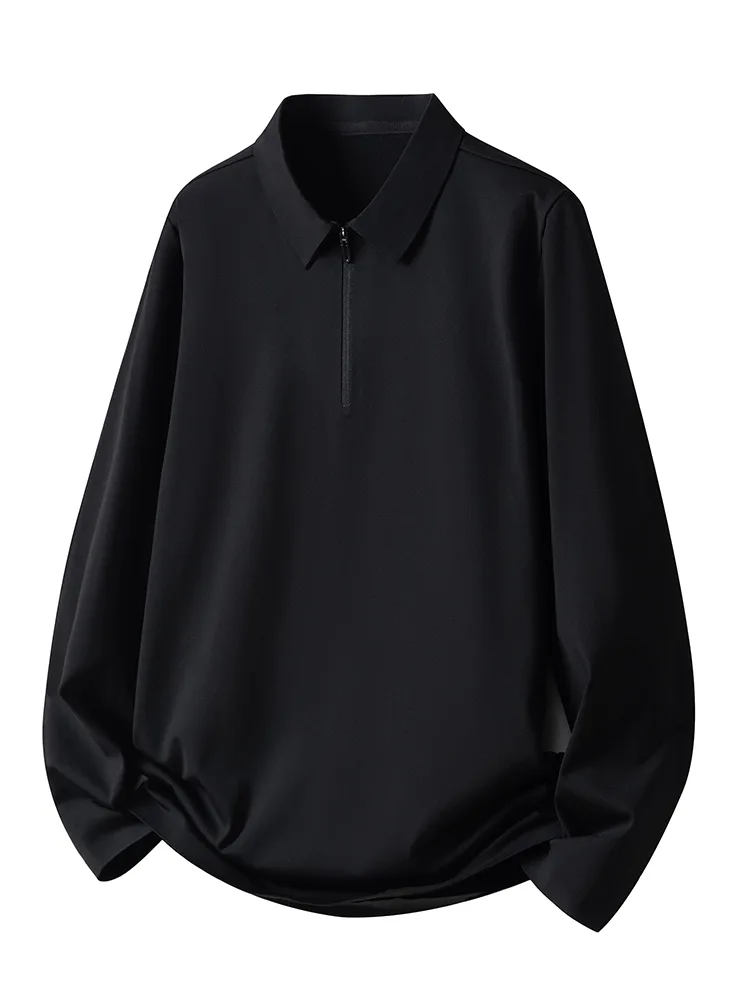
Bulk received should be photographed against its sealed sample while differences are still measurable. Filed per order, those photographs are what a supplier review actually reads.
A review is only as honest as the orders you can describe.
The evidence base is the paper each order left behind: the confirmed order text in its final version, the sealed sample with its dated photographs, inspection notes, and the differences found on arrival. Where those records exist, a review is a conversation with facts. Where they do not, it collapses into anecdotes - the shipment someone still resents, the price someone still brags about. A review built on memory measures memory, not the supplier.
Reply speed and change handling belong in the record.
Buyers tend to keep only two fields: price and quality. Yet the questions that decide whether an order stays calm live elsewhere. How long did answers take once a problem surfaced? Did a mid-order change come back with an impact statement covering material, dates and cost, or with silence until shipping week? Did the supplier flag a risk early, or discover it late? None of this appears on an invoice, and all of it is reviewable - but only if it was noted when it happened.
Consistency across orders is the real signal.
A single good shipment proves very little. The signal worth reading is whether order after order still matches the sealed sample: the same shade against the approved standard, the same packing discipline, the same tolerance on measurements. Small drift - a different trim finish, a seam allowance gone loose - rarely shows up inside one order. It appears only when orders are compared side by side, which is precisely what a review is built to do.
Pulled together before the review starts, the file a buyer needs is short:
- The confirmed order text of every order placed, including the final changed version.
- Sealed samples with dated photographs, so bulk can be compared against approval.
- Inspection notes and arrival differences, however small they seemed.
- Claims with their settlement letters, closed ones and open ones alike.
- Promised delivery dates set against actual handover dates.
The review should end in a decision about the next order.
A review that ends with a grade nobody reads changes nothing. It earns its keep when it names a decision: which styles move to this supplier with a larger share, which stay split between two suppliers so the comparison continues, and which line carries a trial order elsewhere next season as a benchmark. Decisions tied to named styles and real orders can be checked later; a score cannot.
What you tell the supplier shapes what the next order can be.
Whether to share the findings is itself a decision. Feedback tied to the record - dates, documents, measured differences - gives a supplier something concrete to fix before the next order. Vague complaint does not, and threats trade a working relationship for a mood. Keep the conversation on the file: a supplier who receives specifics can answer with specifics, and the answer tells you as much as the review did.
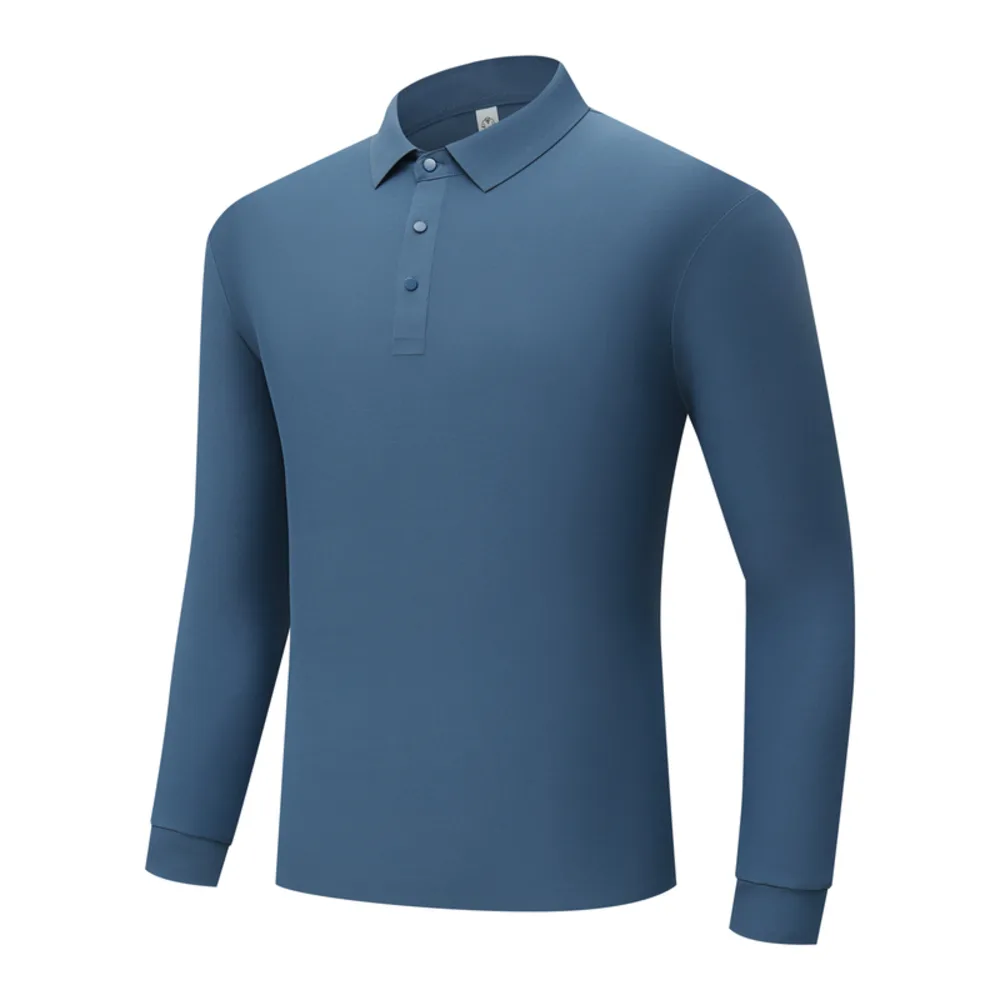
The same style reordered season after season is where drift hides. Comparing each run against the approved standard, order by order, is how consistency earns the next larger share.
Comments / 评论
No comments yet. Be the first.