Where Stripes Meet at the Seam: The Matching Promise Behind a Wholesale Quote
On a striped or checked garment, nothing betrays careless making faster than a seam. Where the pattern stops at a side seam, drifts off the placket, or fails to meet the pocket, the eye catches it first. Matching stripes and checks across seams is not luck and it is not styling. It is a decision made in the laying and cutting stage, and it must be agreed before a price is quoted, because it changes fabric consumption and work in every garment.
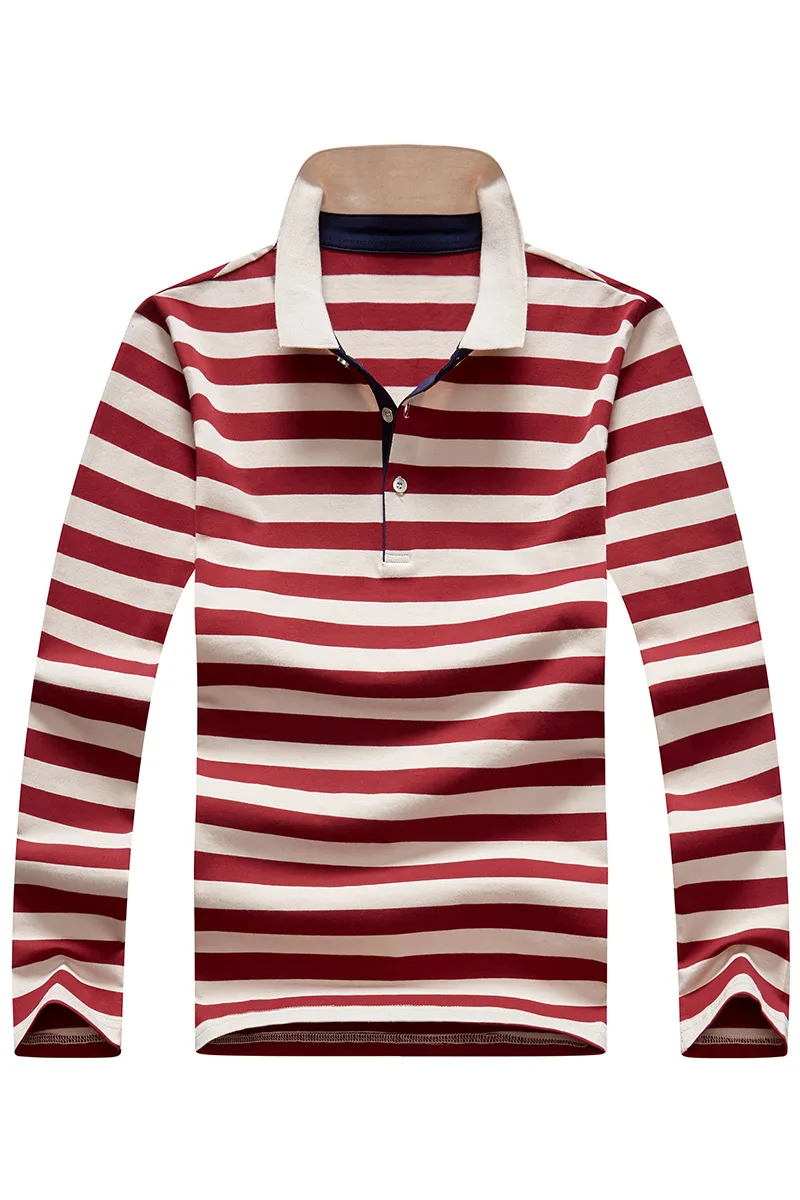
On a striped piece laid out like this, the first thing a buyer's eye does is follow the stripe across the placket and the side seam. Whether it continues is not a styling choice; it is the promise the cutting table has to keep.
Pattern matching is a commitment made at the cutting table.
For a pattern to run true across a seam, panels must be laid so the stripes line up before the knife moves, and the operator must hold that alignment while the seam is closed. Both steps cost fabric and both cost time. A garment whose stripes continue around the body is therefore not the same product as one where they do not, even if the cloth, the weight and the trim list are identical. When a supplier says the garment is matched, that is a process commitment, and it deserves the same weight as a fabric specification.
Ask how the garment will be matched before you compare prices.
Matching is not a single setting. A supplier may not match at all, match across the front panels only, or match the whole garment including back, sleeves, pockets and collar. Every step up consumes more fabric and more handling. Two quotations for what looks like the same striped style can differ for this reason alone, and the cheaper one may simply be describing a different garment. Before judging any quote, ask which parts of the garment will match, and let that answer sit next to the price.
The wider the stripe, the less it forgives.
A fine stripe hides small drifts; a wide stripe or a bold check exaggerates every one of them. Wide patterns also consume more fabric when aligned, which is why they are more sensitive to quote. If a range carries both, expect matching to be harder to agree on the bold pieces, and expect the difference to show in the price rather than in loose quality.
A broken stripe is the easiest defect to judge by eye.
Shade needs controlled light, hand-feel needs a reference fabric, and dimensional claims need a tape and a table. A stripe that fails to meet at a seam needs none of that. Any trained inspector sees it, and so does any customer. This makes pattern agreement one of the few quality points a buyer can verify personally, provided the standard was fixed before production and not argued about afterwards.
Before placing a striped or checked order, settle these points:
- Which seams must match, written into the order or the approved sample comments.
- Which matching level the quotation assumes: none, front only, or the whole garment.
- Whether pockets, plackets and collar meet the body pattern or are cut free.
- How the extra fabric matching consumes is reflected in the price.
- That the approved sample, not a description, is the reference at inspection.
Fix the matching baseline on the approved sample.
The sample is where the promise becomes physical. It shows which seams were made to meet and how the pattern behaves at the placket and the pockets. Bulk production should be judged against that sample, seam by seam, not against memory or a photograph. A striped garment whose pattern runs true across every seam tells the customer that the maker controlled the whole garment, and that impression is bought at the cutting table, long before the goods are packed.
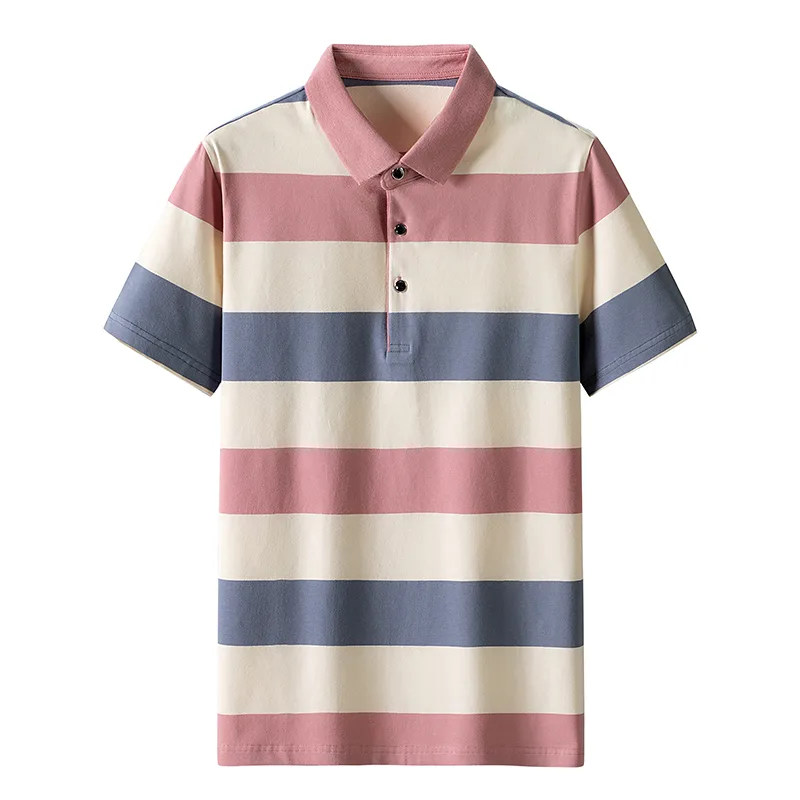
A wide stripe forgives nothing once the garment is worn, which is why bold patterns are judged on the body or on a form, not on a folded pack shot. This is the state in which matching should be checked.
Comments / 评论
No comments yet. Be the first.