Stock or Made to Order: What Each Route Really Costs a Wholesale Buyer
Walk into any supplier conversation and one question quietly shapes everything that follows: are you buying goods that already exist, or commissioning goods that still have to be made? Stock buying and made-to-order production are not good and bad versions of the same thing. They are two different contracts with two different sets of risks, and trouble starts when a buyer picks one while expecting the guarantees of the other.
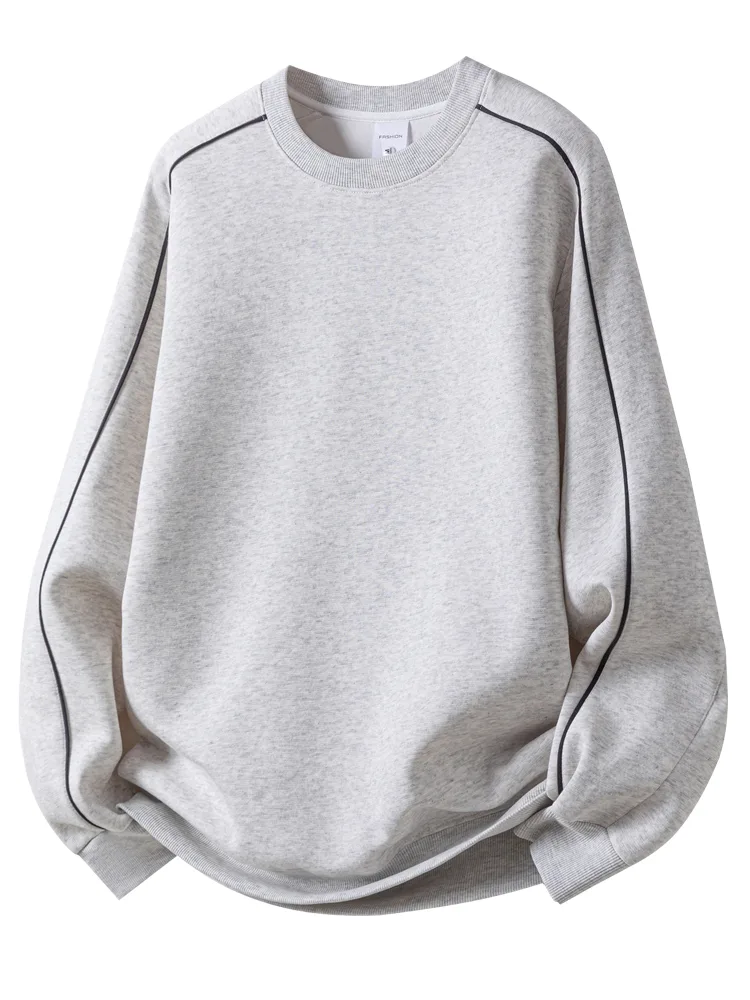
Stock goods arrive exactly as photographed: the shade, the fabric and the fit are fixed before you ever enquire - speed in exchange for accepting the specification as it stands.
Stock buying trades control for speed.
With stock, the fabric is woven, the shades are fixed, the size curve is set, and the goods can move as soon as payment clears. That speed is real and often worth paying for. The price is acceptance: the colourway is what it is, the size curve is whatever the supplier ran, and once a line sells through it may never come back. Continuity is the hidden clause of every stock purchase - a bestseller that cannot be repeated leaves a permanent hole on the shelf.
Made-to-order trades calendar time for ownership of the specification.
With a made-to-order programme, the fabric is chosen, the shade is approved, the size set is yours, and your own label goes in. The garment is built for your market instead of an average market. What you give up is time and exposure: fabric must be dyed and finished before a single garment is cut, and a mistake in the specification now has room to become a mistake across the whole run.
The honest comparison is total cost across a season, not unit price.
Stock usually quotes cheaper per piece and wins the first order. Then add the cost of a shade you did not choose, sizes that misfit your customers, markdowns to clear what did not sell, and reorders you could not place because the line ran out. Made-to-order quotes higher and loses that first comparison, then quietly wins the season when the repeat order arrives on time, in your shades, on your size curve. Judge the route the way the money actually flows: across a selling season, not across a single invoice.
Most serious programmes end up mixed.
Practical buyers rarely pick a side absolutely. They use stock to test a new style or fill a gap within weeks, then move proven sellers into made-to-order once the size curve and shades are known. Stock becomes a research tool; made-to-order becomes the engine. The failure mode is the reverse - running a core business on goods you do not control, and being surprised when they disappear.
Before choosing a route for any style, settle:
- Whether the style must be repeatable next season, or is a one-time bet.
- Whether your customers fit the stock size curve, or need one of your own.
- Whether shade consistency across deliveries matters to your brand.
- How long your shelves can honestly wait for development and production.
- Which proven stock styles deserve to graduate into made-to-order.
Practical takeaway.
Stock and made-to-order answer different questions. Stock answers what can be sold right now; made-to-order answers what your own label should become. Use the first to discover, the second to build, and never let the speed of one blind you to the control you are giving up.
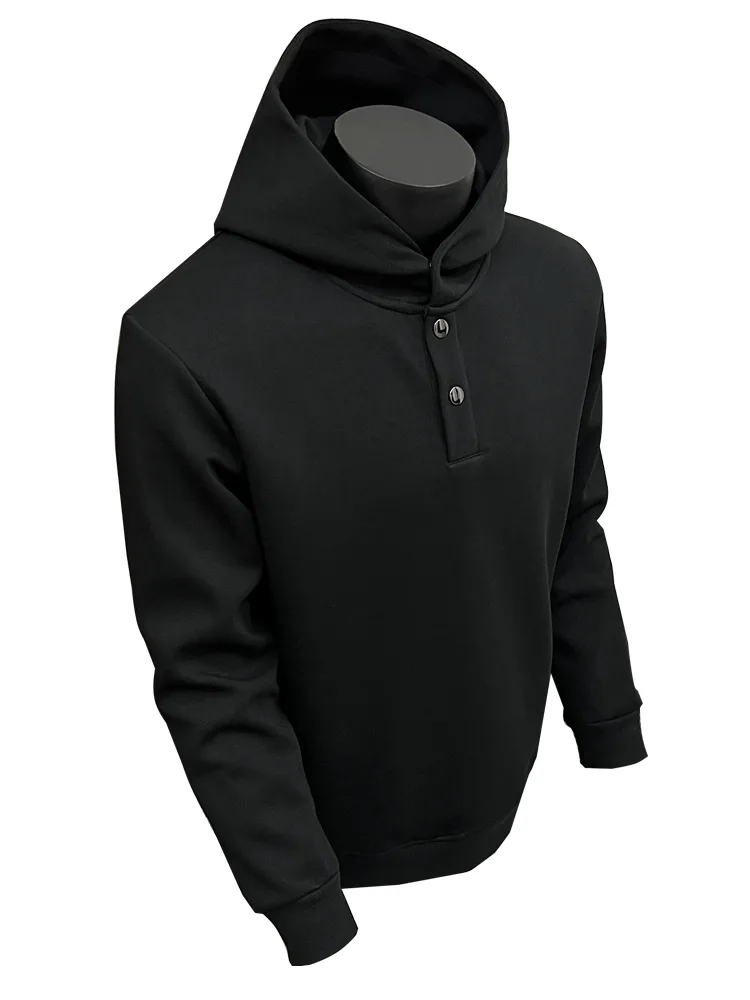
A made-to-order garment starts as a specification, not a shelf: shade, size curve and details are decided by the buyer, which is where the extra calendar time goes.
Comments / 评论
No comments yet. Be the first.