Size Spec Sheets and Size Sets: How Wholesale Buyers Prevent Fit Problems
Of all the ways a wholesale order can disappoint, fit is the most expensive to discover late. Workmanship problems show up under an inspector's lamp; a fit problem only appears when someone wears it - by which time the goods are priced and listed. The defence is built on paper, in two documents no wholesale buyer should skip: the size specification and the approved size set.
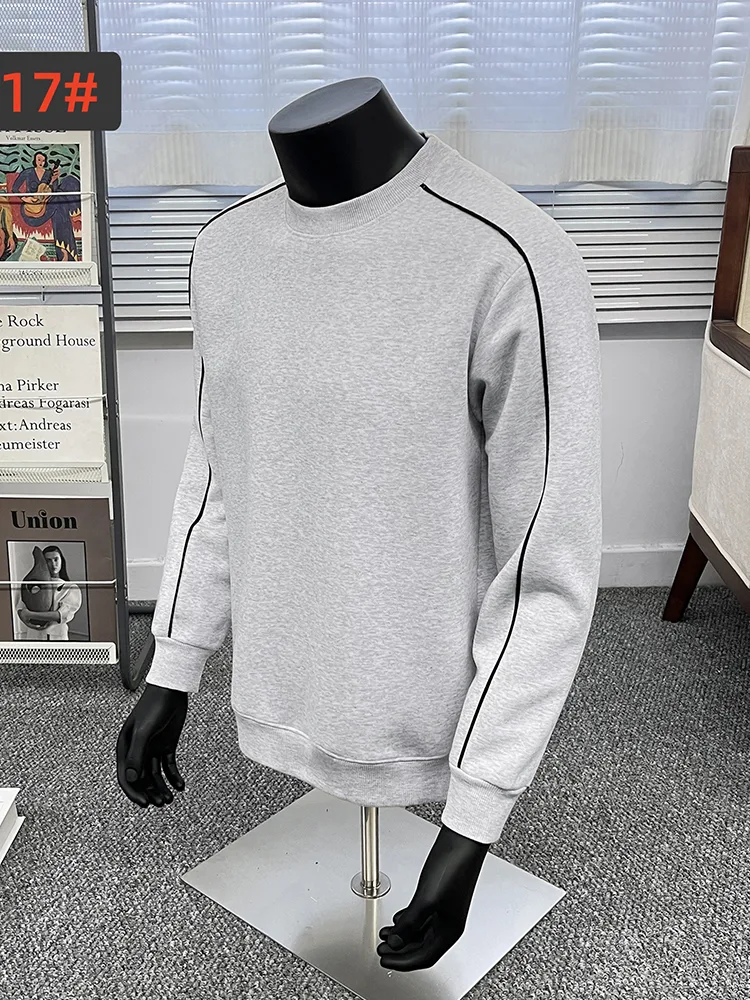
Every point on a spec sheet maps to a physical location like this - shoulder slope, sleeve seam, body length. A measurement that does not say where the tape sits is not a measurement.
The size spec sheet is a contract, not a description.
A spec sheet lists, for every size in the run, the key dimensions of the finished garment - chest, shoulder, sleeve length, body length, collar or waistband - each with a tolerance. Three details separate a usable sheet from a decorative one. A measurement without a tolerance is a dispute waiting to happen, because no cutting table hits a number exactly. A chest measured flat and doubled reads differently from one measured around, so the method must be written down. And keep the point list short enough to measure in minutes; nobody re-checks forty points on a sample.
Grading is decided on paper before a single piece is cut.
Grading is the rule that turns size M into L and beyond, where fit disasters are born: bodies do not scale uniformly, a 3XL torso is not a taller M. Sleeve length, armhole depth, collar and cuff all move at their own pace as sizes increase, and a rule that only widens the chest produces a garment that fits the tape, not the body. Ask the factory to write the grade rule into the spec sheet, and check the extremes first - the smallest and largest sizes, where errors concentrate. The range itself is a commercial decision: some styles close at 3XL, others extend to 5XL - the grade rule must follow the range you sell.
Approve a size set, not just a sample in the middle size.
A pre-production sample in size M proves the pattern; it proves nothing about the ends of the run. A size set - one finished garment in every size, in the base colour - is the inexpensive version of a fit disaster: a few extra pieces against a full run cut to a bad grade. Check it against the sheet point by point, try the extremes on, record corrections in writing, re-cut what failed, then release bulk cutting.
Carton packing follows the size ratio, not the size range.
Cartons are packed to a size ratio - a declared mix, usually with more middle sizes than extremes - and that ratio is a commercial decision that belongs to the buyer, not the packing line. Define it colour by colour, insist that cartons are labelled by size, and treat any assorted carton without a declared mix as unpacked inventory: what you cannot find in the stack is stock you cannot sell.
Before bulk cutting, your document pack should contain:
- The size spec sheet, with tolerance and measurement method next to every point.
- The grade rule, size by size, for every measured dimension.
- The approved size set reference, including written corrections and re-cuts.
- The colour list, with the size ratio defined for each colour.
- The carton marking plan: size, colour and quantity printed on every carton.
Practical takeaway.
Fit problems are cheap to fix on paper, affordable to fix on a size set, ruinous to fix after cutting. Put the tolerances and the grade rule in writing, approve the extremes in real garments, and pack to a declared ratio. Buyers who skip these steps save a few days of sampling and inherit fit complaints for the life of the order.

A size set must make the largest size read as the same garment as the middle one - grading that only widens the chest shows up exactly here.
Comments / 评论
No comments yet. Be the first.