Preparing a Showroom Visit: What Wholesale Buyers Bring, Watch and Write Down
A day inside a supplier showroom or at a trade event always feels productive. Racks of styles, fabric books, a supplier talking through what sells. A week later back at the desk, the visit must become a decision - which styles to sample, which quotation to request - and the memory offers nothing but a glow. Earlier here we covered how to read a sample on the spot; this piece covers the material around the looking - what to prepare, what to write, and what leaves the room with you.
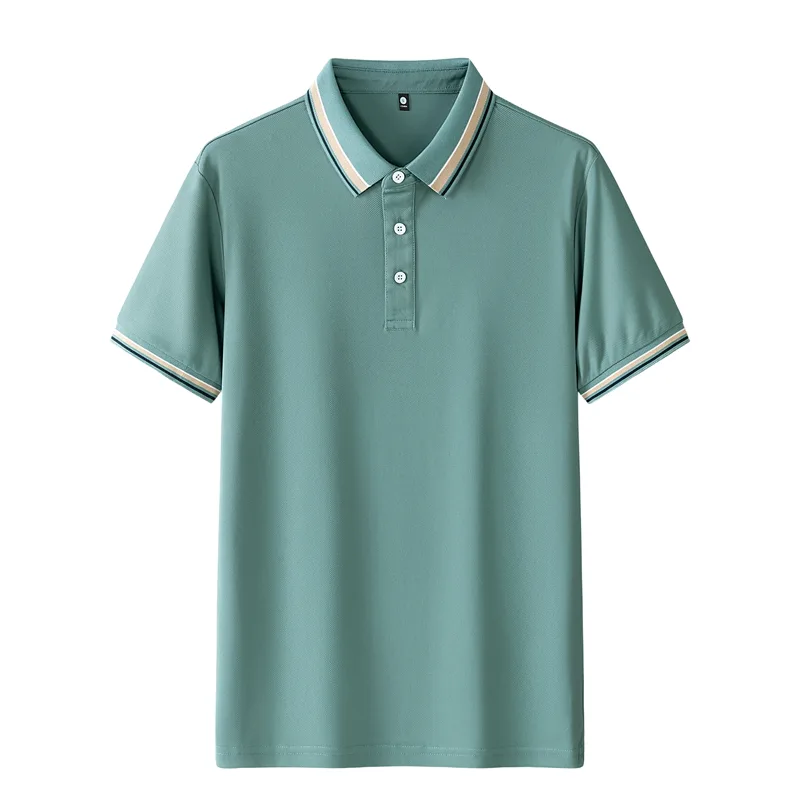
Every style seen in the room goes through the same field list - collar construction, fabric, finish - so the notes carried home stay comparable across styles and suppliers.
The output of a goods review is material for decisions, not impressions.
Impressions decay fast. Within days, the green one that felt great no longer attaches to a style code, a price or a supplier, and several visits blend into one. Decisions, by contrast, are made by comparison - and comparison needs records that share the same shape. A useful visit is planned backwards from the decision it should feed: not what did I like, but which styles justify a sample request, and what evidence would support it.
Bring references, because a room of goods judges nothing by itself.
Walking in unprepared, every knit looks fine and every price looks reasonable. What restores judgement is reference material: a written target price band set before arrival, the item your own customers already buy and comment on, a tape for measuring, and notes on the shades and fits your range is missing. With references in hand, the question stops being whether a style is nice and becomes whether it differs from what you already carry at a level your buyers would accept.
Fill the same fields for every style you look at.
Notes written freely - a line here, a sketch there - cannot be compared across styles, let alone across suppliers. Decide the fields before the visit and hold them for every style: fabric weight and hand, seam quality where the garment is stressed, trims and their finish, consistency of construction across the rack. Where a field cannot be judged on the spot, write why rather than leaving it blank. Blank fields vanish later; a written reason can be resolved with one question.
The record is written before leaving the room.
Photograph every style worth remembering, with its style code visible in the frame. Collect swatch cuts where they are offered. Write the supplier's verbal answers next to your own notes, because a promise made aloud in the room and one confirmed in writing later are different instruments. Memory begins editing within a day. The walk back to the car or the hotel is part of the visit, and notes finished there are worth more than ones reconstructed at home.
A visit earns its keep when these are settled before and during it:
- A written target price band, set before arrival and not adjusted inside the room.
- Reference items from your own range that define what acceptable looks like.
- One field list, applied identically to every style seen.
- Style codes captured both in photographs and in writing.
- Supplier commitments noted verbatim, for written confirmation afterwards.
The visit ends when the follow-up names the goods.
A folder of photographs and a page of field notes still mean nothing until they move. The follow-up sent within days of the visit should name styles by code, request samples for the shortlist, and ask for written answers on the open fields. That message turns a pleasant afternoon into pipeline - a shortlist that can be quoted, sampled and compared - and it costs only the discipline of writing things down while they were still true.
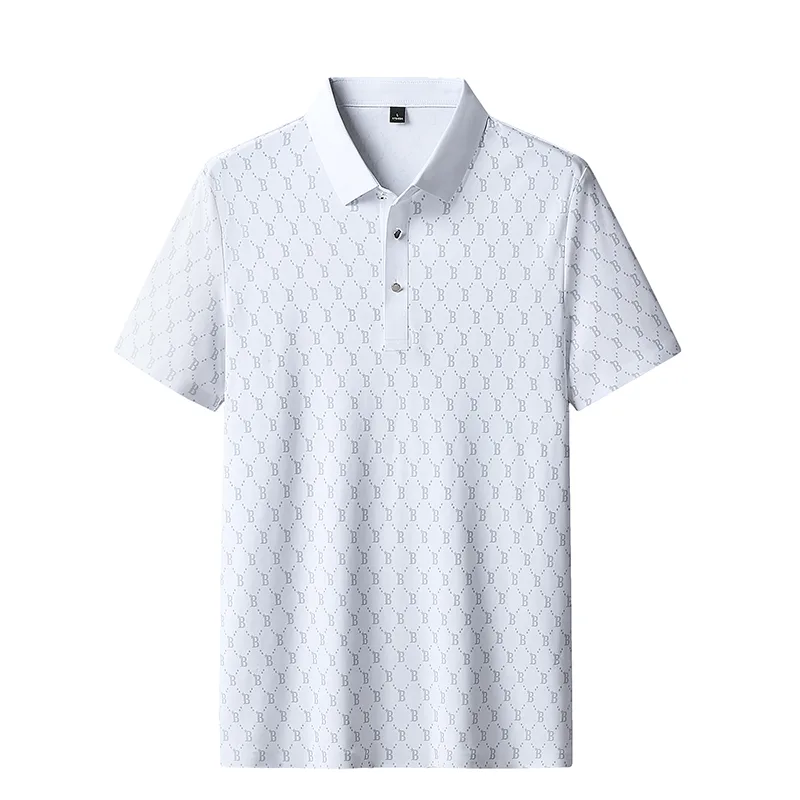
Surface texture and hand-feel are fields a camera cannot carry home. Notes written on the spot can, which is why the record is finished before leaving the room.
Comments / 评论
No comments yet. Be the first.