The Paper Trail Behind a Wholesale Shipment: Documents That Must Agree
Buyers new to importing often treat documents as paperwork produced after the real work is done. In practice, the document chain is where a wholesale order either keeps moving or quietly stalls. The same goods can clear smoothly or wait at a port depending on whether the papers tell one consistent story. Understanding what each document is for - and how they must match - is not administration. It is part of buying.

A packing list earns its value at the receiving dock: it exists so the person counting cartons never has to guess what is inside - which is exactly why its figures must match the commercial invoice without exception.
The proforma invoice is the first draft of your agreement, not a quotation.
A proforma invoice does more than restate a price. It fixes the goods description, the specifications, the trade terms and the payment arrangement that every later document will be measured against. When the proforma is written loosely, the errors do not stay there: they travel into the commercial invoice, the packing list and the shipping papers, where they become far more expensive to fix. Treat the proforma as the master reference and write it as carefully as a contract, because every document downstream will inherit whatever it says.
The commercial invoice and the packing list answer different questions.
The commercial invoice states what was sold, to whom, and at what value; customs officers read it to assess the shipment. The packing list describes how the goods are physically packed, carton by carton; the warehouse crew reads it to count and sort the delivery. Different readers, but one set of facts. Carton counts, quantities and weights must agree across both documents without exception. When the invoice declares one carton count and the packing list shows another, an inspection that should take hours can stretch into days.
The bill of lading is a title document, not a receipt to skim.
Beyond confirming that goods were received for shipment, the bill of lading identifies who may claim the cargo. A misspelled consignee, a wrong notify party or an inaccurate goods description can hold a container at destination while corrections are arranged - and amendments after issuance are slow, and sometimes costly. Ask to review the draft before it is issued, when a correction costs minutes instead of days.
Consistency is what clearance actually runs on.
Destination authorities compare documents against each other: invoice against packing list, packing list against bill of lading. They are not looking for eloquence; they are looking for contradictions. A company name spelled differently on two documents, or a quantity that shifts between pages, is enough to trigger a hold. The remedy is unglamorous: one source of final figures, one version of the packing data, and a review of the complete set as a single story.
Before your next shipment leaves, check the document set as a whole:
- Does the commercial invoice still match the proforma agreement on goods description and trade terms.
- Do carton counts, quantities and weights agree between the invoice and the packing list.
- Has the bill of lading draft been reviewed for consignee and notify details before issuance.
- Does every document spell the buyer and supplier names identically.
- Does one named person review the complete set before submission.
Practical takeaway.
Goods travel on ships, but orders travel on paper. Write the proforma as carefully as a contract, build the invoice and the packing list from one version of the figures, review the bill of lading draft before it issues, and check the whole set for contradictions. A document chain that agrees with itself is the cheapest insurance a wholesale buyer will ever buy.
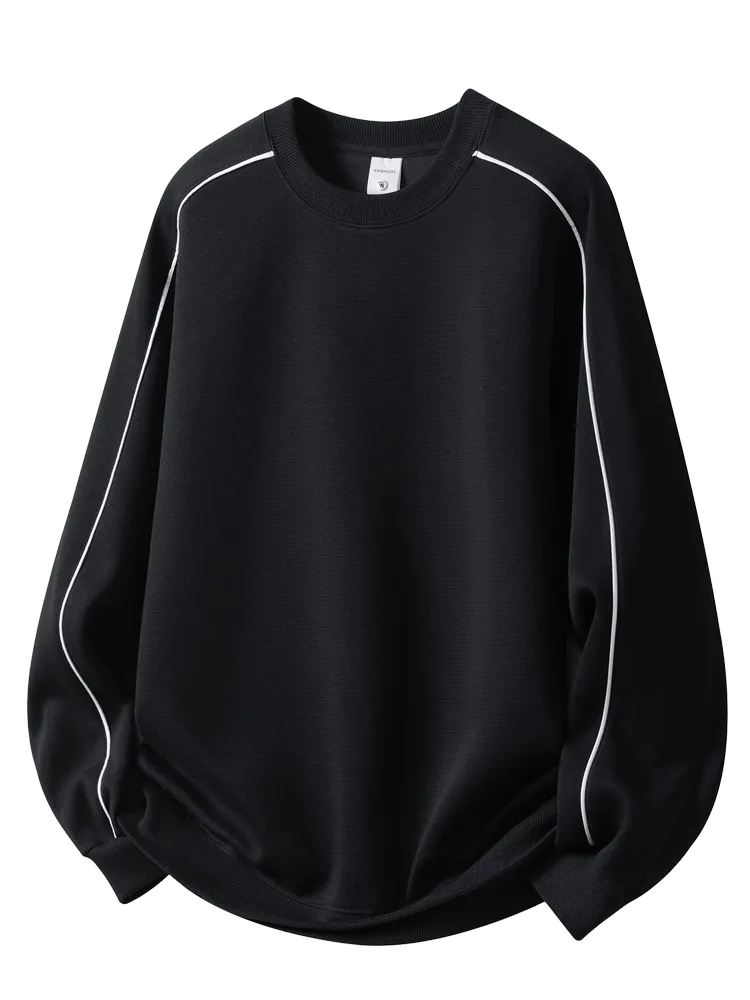
An order with several styles means several specifications travelling under one document set. Clearance runs on consistency, not eloquence: every page must tell the same story about what is inside the container.
Comments / 评论
No comments yet. Be the first.