How Sewing Operations Build the Unit Price Behind a Wholesale Quote
Two quotations for the same pattern can sit far apart, and the gap rarely hides in the fabric. Fabric has a price everyone can look up; sewing is priced operation by operation, and the operation list is where a quote quietly describes — or conceals — the work behind the number. A buyer who reads only totals is reading conclusions with the reasoning torn off.

A basic crew-neck shirt carries the shortest operation list in a range, which is why its unit price usually marks the floor every other construction choice climbs away from.
A unit price is built from the garment's list of operations.
Every style is a sequence: panels joined, collar set, placket formed, pockets attached, hems turned, seams topstitched, pressed and folded. Each step takes minutes at a work station, and minutes are the raw material of a sewing price. Cut two very different shirts from the same cloth and their prices still part ways, because one carries a placket, a chest pocket and a row of topstitching while the other does not. The cloth is the same; the work is not. A unit price is less a judgement of the garment than a description of everything done to it.
Read the construction column before you read the total.
The most useful part of a quotation is often not the grand figure but the column that lists what the base price assumes and what each addition adds. A clear adder says what a plain hem costs, what the pocket adds, what the bound seam changes. Where a quote shows only a total, the honest question is what the base garment includes. Compare two quotes without aligning their operation lists and you compare conclusions while ignoring reasons — the cheaper conclusion may simply describe less work.
Simplifying construction is a real cost decision, not a quality cut.
There is an honest route to a lower number: remove the pocket, replace the bound seam with a plainer finish, drop the decorative topstitching. The work shrinks, the price follows, and what remains is still properly made. This differs entirely from keeping the construction untouched and squeezing the figure, which pushes somebody in the chain to absorb the difference where the buyer cannot see. A buyer who wants a lower price can change the garment. A buyer who wants the same garment should expect the same work — that symmetry is what keeps a supply chain solvent.
Every construction change reopens the schedule.
An operation list is also a planning document. Add operations and the line time grows; change the placket structure and a fresh sample round is owed before bulk can start. Construction settled late costs twice, in price and in time, and it is settled late because nobody asked early. The right moment is while the sealed sample is still in play: whatever the sample shows, operation for operation, is what the line will run and what the quote should describe.
Before signing, the operation structure should survive this list:
- The construction included in the base unit price is written down.
- Each construction addition is named and priced separately, not buried in the total.
- The sealed sample matches the operation list, step for step.
- Any late construction change arrives with a re-timed delivery date.
- The operation list lives in the order text, where a repeat order can be quoted against it.
A wholesale unit price is not a mood or a gesture; it is a structure, and structures can be read. Reading operations turns pricing from haggling into engineering: you stop asking whether the number can go lower and start asking which minutes the number contains. Buyers who ask that question get answers that survive the repeat order — because the work, not the discount, is the thing that stays the same.
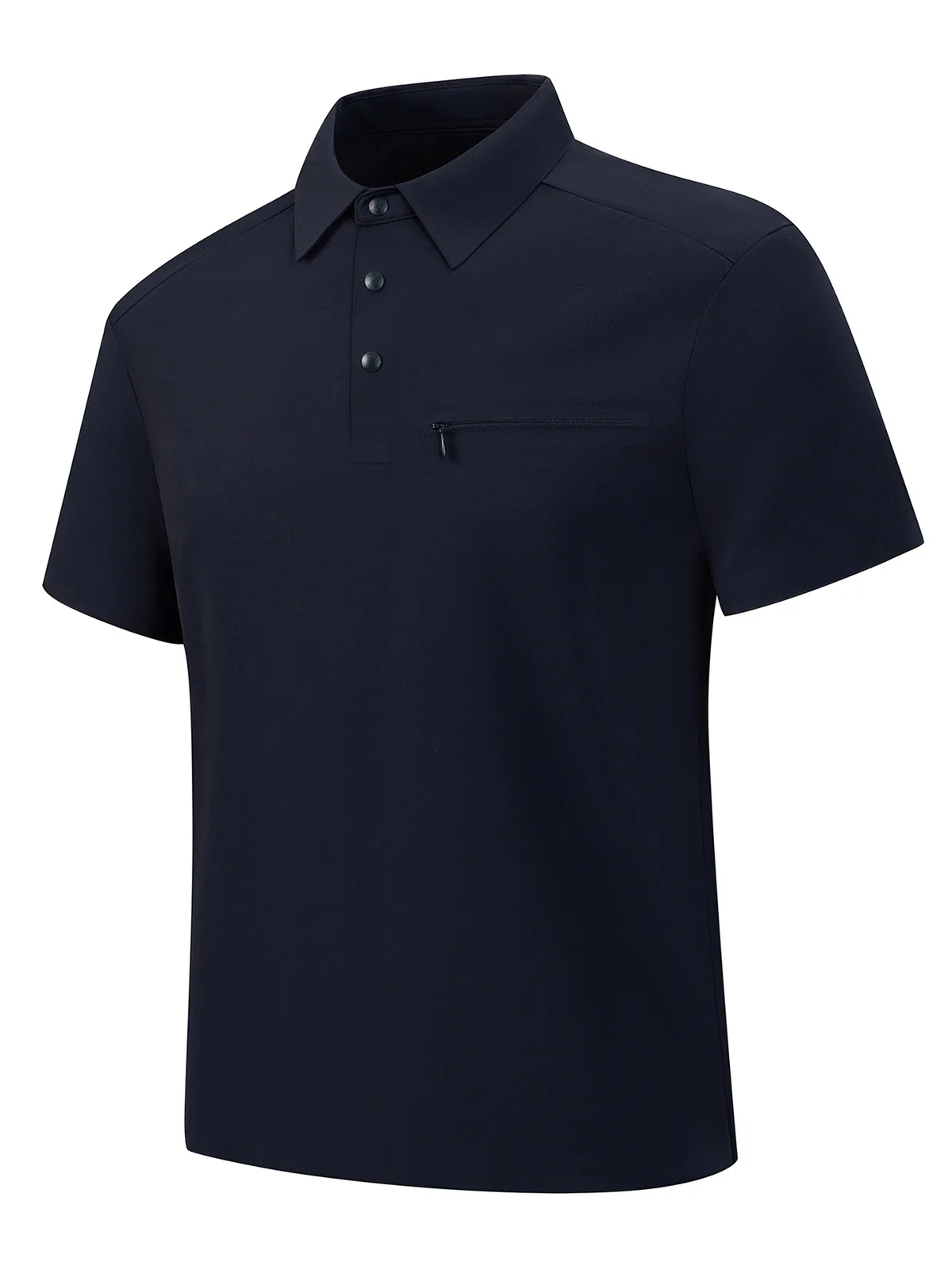
Set a collar, form a placket, attach a chest pocket — each choice adds real minutes at a work station, and the unit price simply records them one by one.
Comments / 评论
No comments yet. Be the first.