The Season-End Close: Sorting Wholesale Leftovers by Cause and Setting Clearance Rules Early
When a season ends, the leftover rack decides how the whole buy is remembered. Clearance tends to be handled as one action - mark it down, move it out - but the pile at the end of a season is not one problem. It is several problems on one rack, each with a different cheapest answer. A close that treats every slow style identically gives away margin on some and postpones the rest.
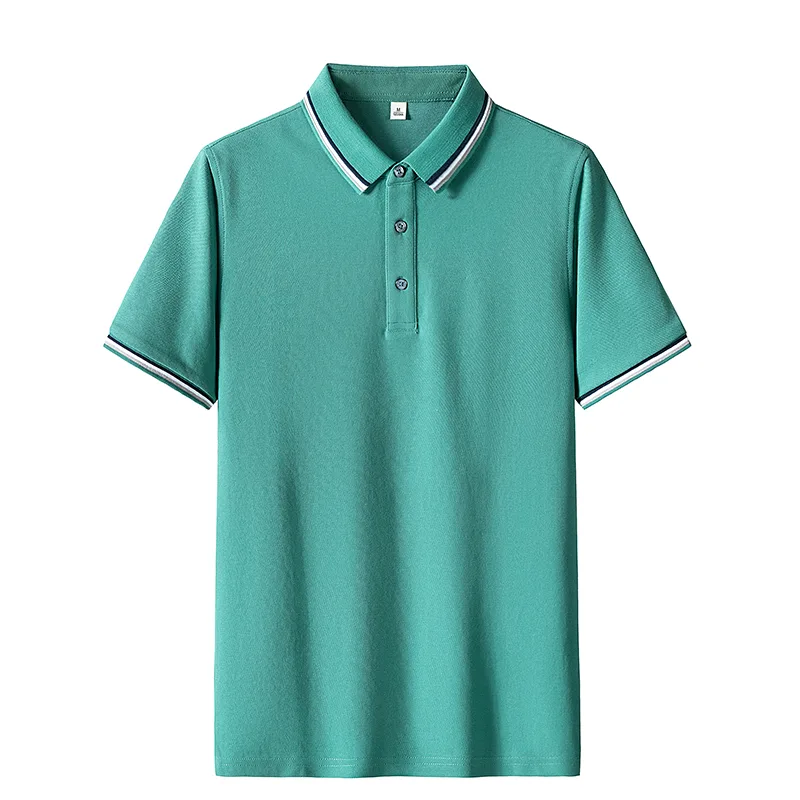
A seasonal colour like this is the classic end-of-season leftover: it did its job while the season ran, and stopped when the season turned. Sorting leftovers by cause is what turns a clearance pile into a set of decisions.
Leftovers should be sorted by why they stayed, not by how many remain.
Sort before you price. A style that missed because the assortment read the season wrong is a taste problem; price is the weakest tool for taste, since cutting only proves the buy was wrong, cheaper. A style that sold but was bought too deep is a depth problem; price works there. A style that arrived late into its own window is a timing problem, and no discount repairs a calendar. Three causes, three paths: missed-taste stock goes to carry-over or write-off, over-bought stock to a patient markdown, late stock into storage until its window returns.
What you carry over is next season's first buying decision.
Carry-over is not free storage. It ties up space, cash and attention, and it competes with the coming season's buy for all three. Decide a carry-over against the coming plan, not against hope: if the mistake is not being repeated, the carried stock is the only place that taste will sell, and the coming buy should shrink to make room. A carry-over that no coming plan serves is a clearance wearing a delay.
How a season closes teaches every channel what to expect.
If the close is visible in every channel at once, every channel learns the same lesson: wait. Buyers who paid the opening price this season will wait next season, because the rack taught them what follows. Sequence the close instead. The channel that took the committed volume and the dedicated pieces can absorb the tail first, while channels still selling at the opening price stay untouched as long as the calendar allows. A close that runs in order protects the price the next season has to live on.
End-of-season rules belong in the first order, not the last meeting.
The cheapest moment to argue about a tail is before the goods exist. Put the close into the order text: which styles are planned to sell through, which carry a tail on purpose, what recovery window each has, and who decides the path when it ends. A tail agreed in advance is a plan. A tail discovered in the last meeting is an argument between a supplier who wants the volume closed and a buyer who wants the space cleared, with no record on either side.
Before a season closes, put the close itself on paper:
- The cause behind each leftover: wrong taste, wrong depth, or wrong timing.
- A path named for each cause - carry-over, patient markdown, or storage until the window returns.
- The carry-over list checked against next season's buy, with that buy adjusted to make room.
- The sequence of channels for the close, agreed before any tag changes.
- The tail rules written into each order: planned sell-through, recovery window, and who decides.
Practical takeaway.
A close is not the moment to start thinking. Sort leftovers by cause, decide carry-overs against the coming plan, run the close through channels in an order protecting the opening price, and hold every path to rules written into the order. A season closed on rules funds the next buy. A season closed on panic discounts the next one too.
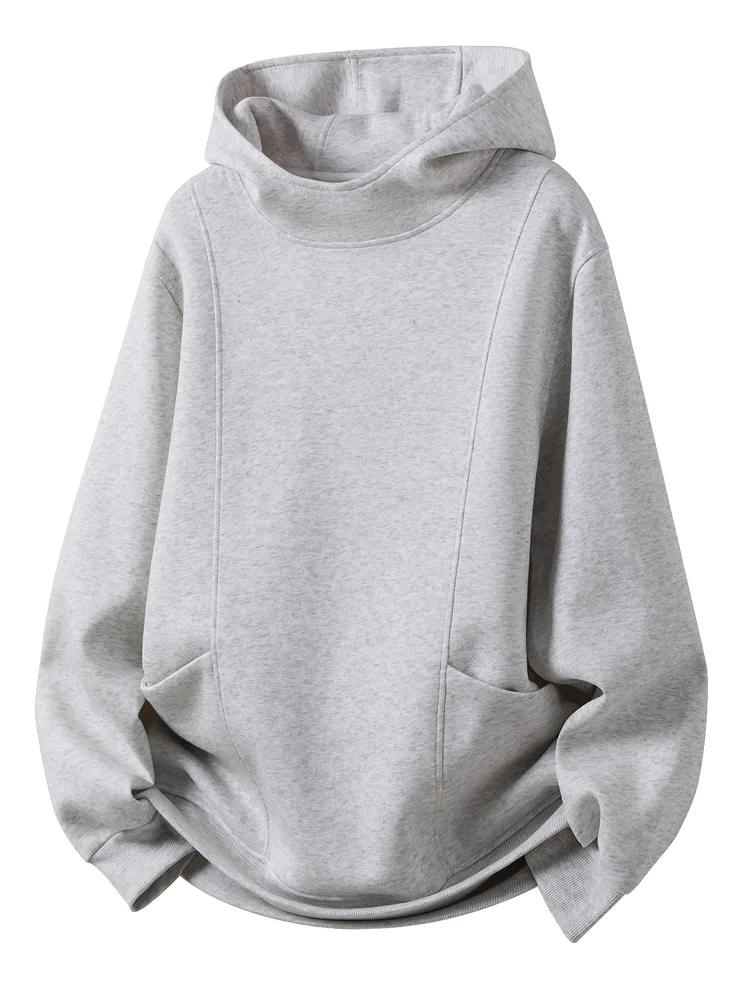
Heavier pieces like this face the sharpest timing question at a close: whether they belong in next season's plan as carry-over stock, or in a clearance path now. The answer should come from a rule written long before the rack fills.
Comments / 评论
No comments yet. Be the first.