Sealed Counter-Samples: The Physical Record That Settles Wholesale Quality Disputes
Somewhere inside most wholesale quality disputes sits the same sentence: "that is not what we agreed." Then both sides reach for emails, screenshots and memories. Rarely does anyone reach for the object everyone claims to remember - the sample that was approved. A sealed counter-sample is the cheapest insurance a wholesale buyer can buy, and the step most often skipped.
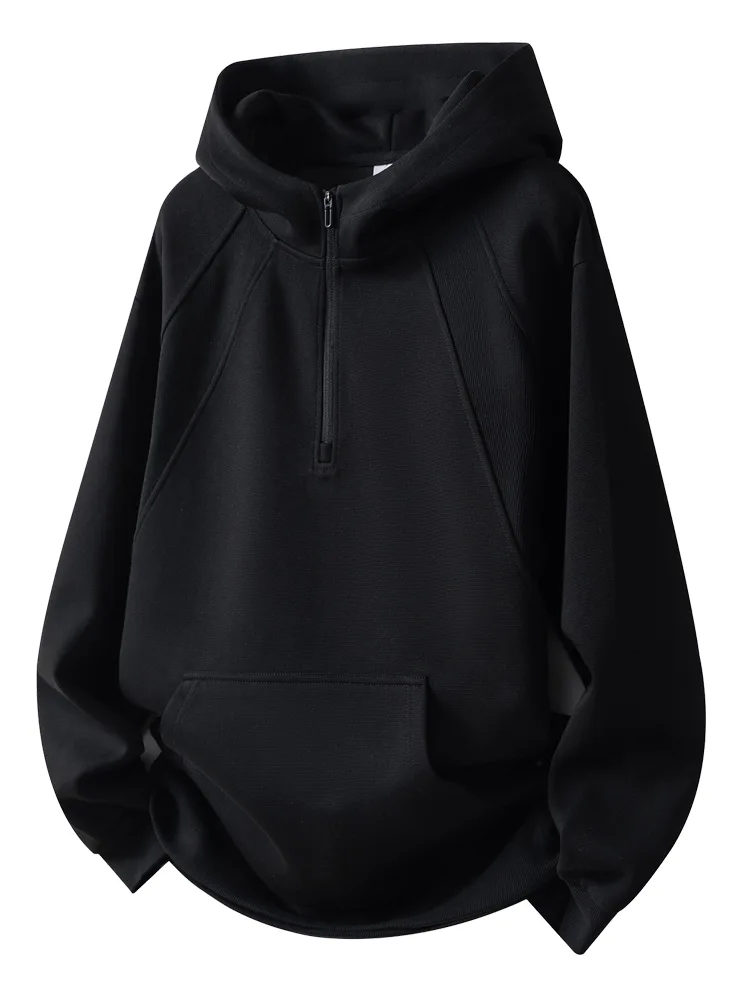
A flat photograph records a moment; a sealed counter-sample records a standard. Photos support the comparison at inspection, but they cannot replace the physical seal both sides can hold and match.
An approval without a physical record is not an approval.
An email that says approved closes a moment, not a garment. Fabrics get substituted, finishes drift, and the file that was approved describes a sample nobody can produce again. Until a physical garment is sealed - dated, tagged and put somewhere safe - every later conversation about quality is a negotiation between two memories, and the supplier's memory is not a neutral witness.
The seal must be split, tagged and owned.
One sealed sample is a risk; the split is the system. Buyer keeps one, supplier keeps one, each drawn from the same approved batch, each tagged with the style, the fabric reference, the colourway and the approval date - tied through the garment, not stuck on as a sticker that falls off. And one named person on each side owns it, because a seal that lives on a shared shelf nobody maintains is a seal nobody can find on the day it matters.
Bulk is judged against the seal, not against recollection.
At inspection the question is not whether the goods look good but whether they match the seal: the same cloth, the same stitching, the same trims. Notes and photographs support the comparison; they cannot replace it. A dispute ends quickly when two sealed garments, both dated, are laid side by side. It drags for months when the standard is a memory of a sample that went into a carton and disappeared.
Samples age, and so does their authority.
Cloth is not frozen in time. Light, humidity and handling change hand and shade, and a later wash or garment dye moves everything again. So seals live in a drawer, not on a sunlit shelf; and when the process changes - a new wash, a new dye lot, a new trim source - the old seal is retired and a new one is sealed. Comparing bulk against a stale standard produces confident answers that are simply wrong.
Before the order is confirmed, agree on all of this:
- That a sealed counter-sample will exist, in duplicate, one held by each side.
- What it will be tagged with: style, fabric reference, colourway, approval date.
- Which named person on each side physically owns and stores it.
- That bulk inspection is checked against the seal, with notes and photos as support.
- That any change in process retires the old seal and creates a new one.
Practical takeaway.
The seal is not paperwork; it is the contract you can hold. Buyers who split it, tag it and maintain it buy certainty once. Buyers who approve by email alone buy the same argument again at inspection, again at delivery, and a third time at the claim - each round more expensive than the garment ever was.
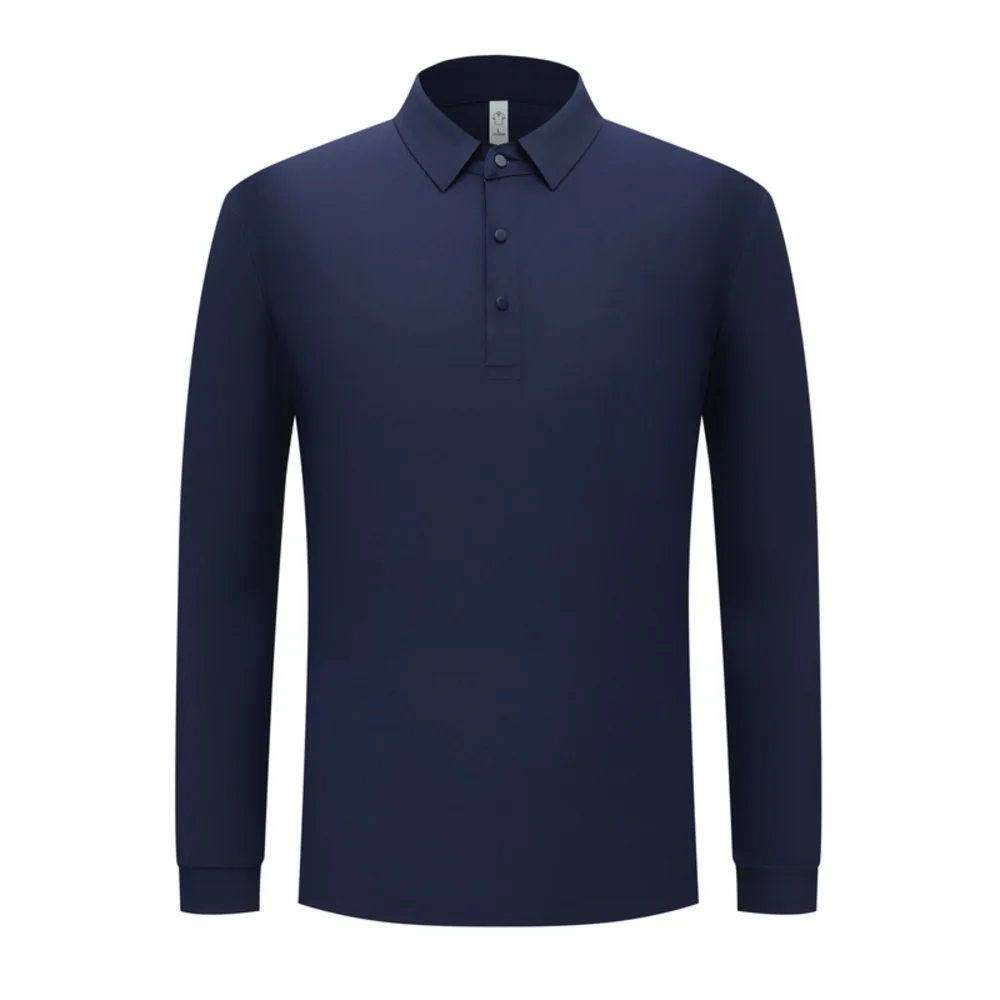
Details like stripe alignment are exactly what a seal preserves. When the wash, the dye lot or a trim source changes, this seal must be retired and re-sealed - or bulk gets judged against a stale standard.
Comments / 评论
No comments yet. Be the first.