Sample Fees and Charging Rules: What to Settle Before the First Sample Ships
A sampling request is usually the first real transaction in a wholesale relationship. The money is rarely large; the trouble is that the invoice arrives carrying rules nobody wrote down - who pays, what the payment entitles you to, and what happens when a round fails. Earlier pieces here covered how sealed counter-samples hold the standard once a sample is approved, and when a third-party inspection earns its place. This piece stays one step earlier, on the charge itself: the fee structure is the first honest thing a supplier shows you.
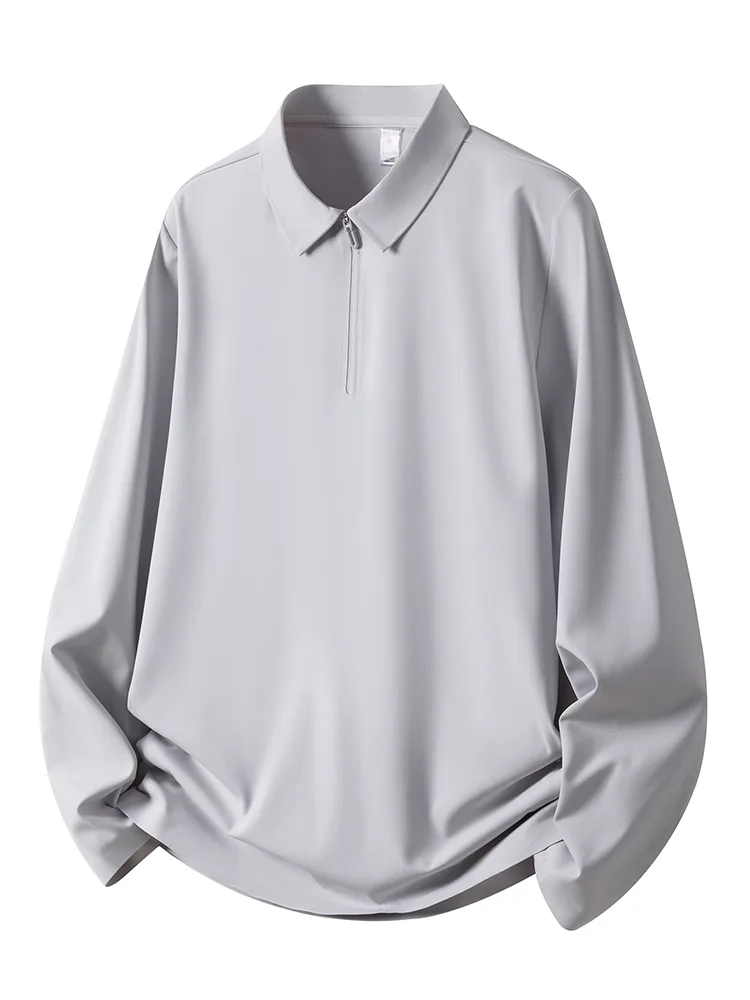
A sample is judged as a garment - how a collar falls, how a placket closes - and every judging round is paid for by someone. Agreeing who pays is part of agreeing what the sample is for.
A sample fee assigns the risk of exploration.
When a workshop charges for samples, it is saying the trial is your project: your idea, your market, your decision to carry. When it waives the fee, it is saying the trial is shared: it expects an order to follow and is willing to fund the proof. Neither stance is generous or hostile; both are honest statements about what each side believes happens next. Friction starts when nobody says the question aloud, and both sides discover at the invoice that they had assumed different answers.
Waived fees are recovered somewhere, so find out where.
Every development hour given away has to be repaid by the work that follows. Waived sampling is commonly balanced through order minimums, through lead times, through the patience granted when you ask for another revision, or through where your order sits when the schedule tightens. That is arithmetic, not cynicism. Asking what a waived fee expects in return is not rude; it is the only way the arrangement becomes predictable instead of implied.
The credit rule describes the relationship being offered.
Whether a sample charge is credited against the order that follows, and under what conditions, tells you how the supplier pictures you. A fee that returns on any subsequent order treats the sample as a step in a partnership; a fee that never returns treats it as merchandise sold to a passer-by. Neither picture is wrong, but you should know which one you stand in before investing weeks of your own design work.
The charging rules quietly decide who owns a failed round.
Samples fail. A collar sits wrong, a shade drifts, a pocket lands where the hand expects nothing. Somebody pays for the next attempt. If the rules were never discussed, that somebody becomes a question raised after the failure - the worst moment to negotiate. Settle it in advance: which round the fee covers, what counts as a new sample rather than a revision, and who funds the redo.
Before sending a sampling request, put these answers in writing:
- What each sample costs, and whether the fee is credited against the order that follows.
- Which rounds the charge covers, and which changes count as separately billed new samples.
- Who pays the courier in each direction, and whose account the shipments travel on.
- Who funds a redo when a round fails, and who approves that spending.
- What the supplier expects in return for a waived fee - stated by them, not guessed by you.
Rules agreed before sampling cost less than arguments settled after the invoice.
A supplier who states sample rules clearly, unprompted, is showing how the whole order will run: written, specific, agreed before work begins. If a conversation about a small charge cannot be had comfortably now, the conversation about a claim after bulk shipment will be harder. Ask early; it is the cheapest question in the order.
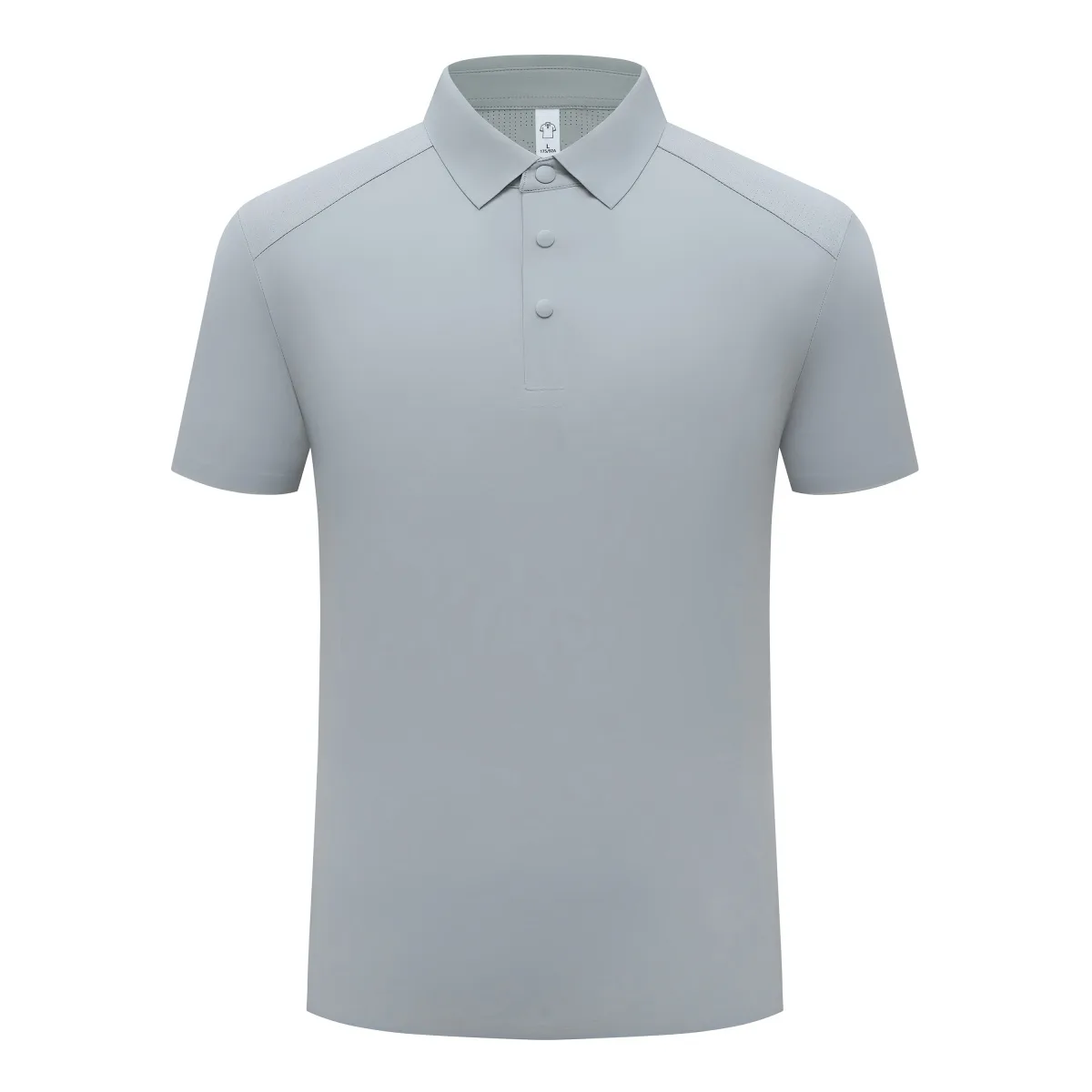
A sample that finally passes becomes the reference the whole bulk run is checked against. The charging rules decide, round after round, who pays for the iterations that lead here.
Comments / 评论
No comments yet. Be the first.