When the Quantity Moves: Responsibility and Sequence Behind a Wholesale Cutback
Most orders survive the specification they were confirmed on. The harder test is the quantity. Markets shift and cash tightens, and a buy that looked right suddenly looks big. An earlier article covered specification changes mid-order; quantity is a different animal. A specification change alters what the garment must be. A quantity change alters how much of everything around it — cloth ordered, panels cut, slots held — has already been committed against a count that no longer exists.

A finished garment in front of a plain wall: before any number moves, ask how far the goods have already moved — sewn work is a cost that stands.
A quantity change is not a specification change.
The two travel through the same paperwork and land on different layers. A specification change alters the garment itself, and the earlier version-confirmation discipline applies. A quantity change leaves the garment untouched — but the commitments behind it are sized to the old number. Fabric booked, cutting tables planned and capacity reserved are all attached to a count. The order text should therefore treat them through separate clauses; merging both into one generic clause is how a reduction becomes an argument about everything at once.
What has already been cut does not go back.
The cost of a reduction depends on where production stands when it lands. Quantity not yet bought is easy to release. Cloth ordered against the old number is intermediate: it exists, and someone must own it. Panels already cut are the floor: they do not re-cut into a smaller order without loss. Responsibility follows the sequence of production, not the sequence of messages — whatever was done against the confirmed number stays a real cost. The honest question is how it is shared: the buyer covering work already performed, the supplier obliged to limit the damage by running booked cloth into other orders or holding finished excess for a future repeat. A supplier who hides production progress makes the sharing dishonest; ask for position, not promises.
A cutback deserves one decision, not a slow drip.
When the reduction is real, decide it in a single act: which styles keep their count, which shrink, which leave the buy entirely. Dripping the cut out — a quiet message per style — reads as unreliability, and a supplier who has been dripped at will start defending against you. Decide the sequence yourself, and settle what compensates capacity you reserved and then released: a written promise that the freed slot earns priority on the repeat, or an accepted charge for capacity held and cancelled. Either is fair; silence is not.
When the number moves, the paper moves with it.
A quantity agreed in conversation is half a change. The written confirmation should carry the new count, a delivery date re-derived from the new work rather than inherited, a packing ratio re-checked if the size mix shifts, and every document quoting the old number reissued — payment papers, packing plans, shipping plans. Records quoting a dead count produce disputes that look like nobody's fault and cost everyone. Exchange signatures first; only then treat the order as the smaller one it has become.
Put the discipline on paper before any number moves:
- Which stage fixes the cost floor: cloth booked, panels cut, goods sewn.
- How costs already incurred are shared when the buy shrinks.
- What compensates capacity that was reserved and then released.
- Which documents must be reissued when the count changes.
Quantity is the quiet variable in a wholesale order. It never appears in fine print, yet it sizes every commitment around the garment. A buy that flexes honestly — floor known, sharing written, sequence decided once, paper reissued — comes out of a soft season as a relationship. A buy that shrinks through silence teaches both sides to stop trusting the number.
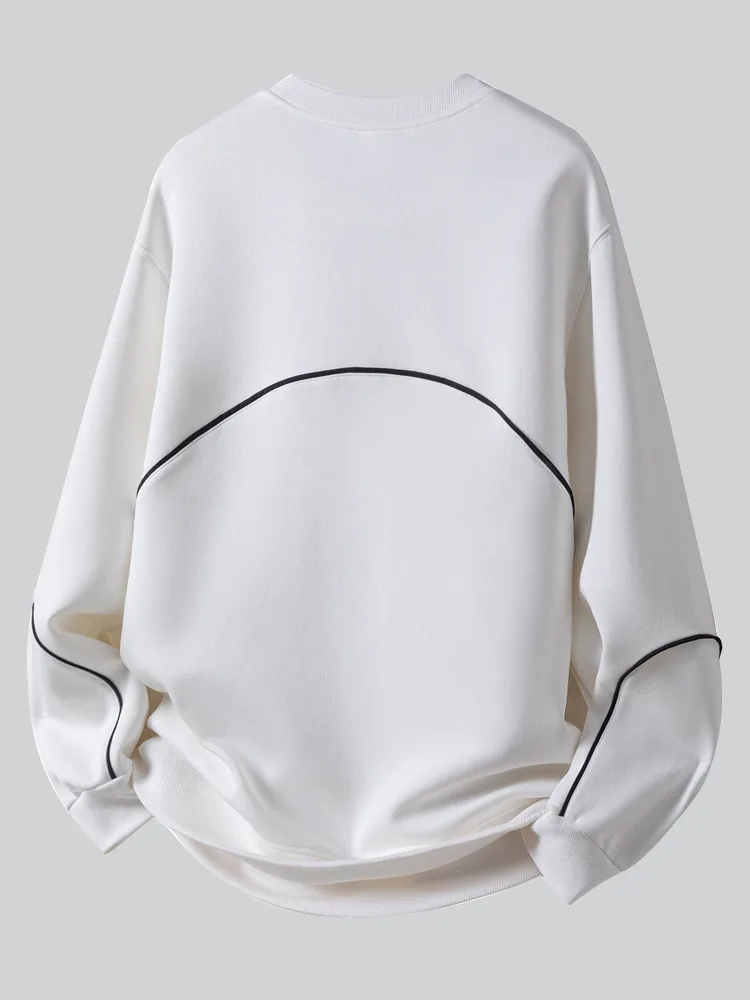
A back panel already sewn shut is a promise already kept: every reduction re-prices the work that stands behind the garment.
Comments / 评论
No comments yet. Be the first.