Reserving Capacity Before Peak Season: How Wholesale Buyers Keep Their Slots
The difference between a smooth peak season and a stressful one is decided months earlier, in a quiet week when nothing seems urgent. Buyers who receive their goods when they promised them to their own customers are rarely the ones who enquired first - they are the ones who reserved production time while the calendar was still open. Capacity is a resource, and it runs out before the season arrives.
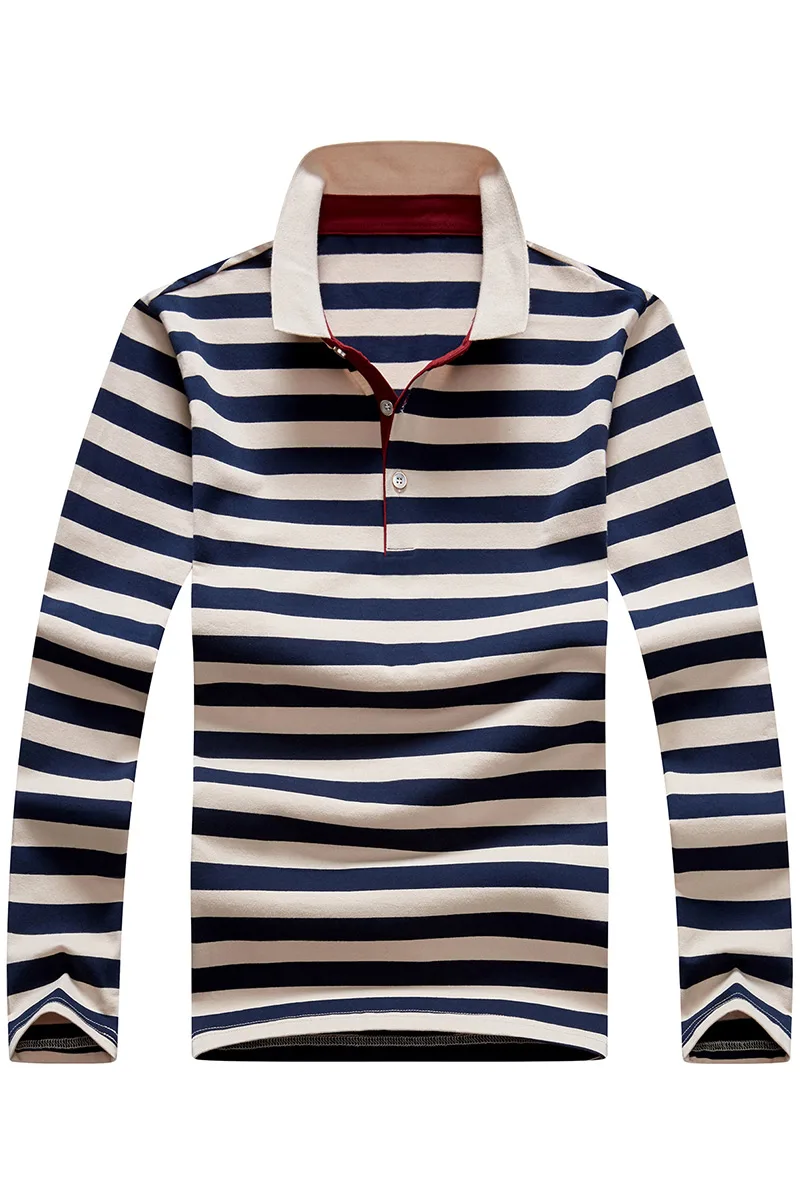
Seasonal styles like striped knits are the first to compete for time on the line - buyers who restock them reliably every year are the ones who booked the slot while the calendar was still open.
Capacity is reserved, not ordered, when the season is quiet.
A production slot is a block of time on a cutting table and a sewing line, surrounded by stages that each need their own room: fabric sourcing, dyeing to the approved shade, finishing, packing. In the quiet weeks those blocks are abundant and flexible. When the season turns, the same blocks are committed, and new orders queue behind the ones that reserved early. The buyers who never seem to wait are not lucky; they treat capacity like inventory and buy it before it becomes scarce.
A slot is held by a confirmed order, not an intention.
An expression of interest holds nothing. What holds a slot is paperwork: styles confirmed, a sample signed off, quantities agreed, and an order confirmation a supplier can plan around. A shortlist of almost-decided styles cannot be scheduled, because a schedule built on maybes collapses the moment one maybe changes its mind. Suppliers fill their calendar with commitments, so the earlier a real commitment lands, the better the position it takes.
Fabric and trims move first; the sewing line follows.
The garment coming off the line is the last step of a chain that starts with fabric. Material has to be sourced, dyed to the approved shade, and delivered before cutting can begin; trims, labels and packing follow their own timelines. A buyer who confirms the order in time but leaves fabric choices open still loses the head start, because the line cannot start on a decision that has not been made. Closing fabric and trim questions early is part of reserving capacity, not a detail to settle later.
Changes have a window, and it closes earlier than buyers expect.
Booking early does more than secure time; it buys a wider window for change. Colour swaps, size-ratio adjustments and small specification edits are cheap while fabric is still on the shelf and cutting has not started. Once fabric is cut, the same edits become new material, new labour and a new place in the queue - usually behind orders that stayed stable. Reserving early is what makes flexibility affordable.
Before the season turns, lock down:
- The styles and colourways you intend to repeat, agreed in writing.
- A signed-off sample for every style you are booking capacity against.
- Committed quantities and size ratios, even if the final split is tuned later.
- Fabric and trim decisions, because they gate the start of production.
- A written schedule covering fabric arrival, cutting, sewing and shipment.
Practical takeaway.
Capacity behaves like stock: it is easy to get when nobody wants it and gone when everybody does. Reserve the slot with a confirmed order, close the fabric decisions early, and keep changes inside the window - then peak season is a schedule you are already on, not a queue you are joining at the back.
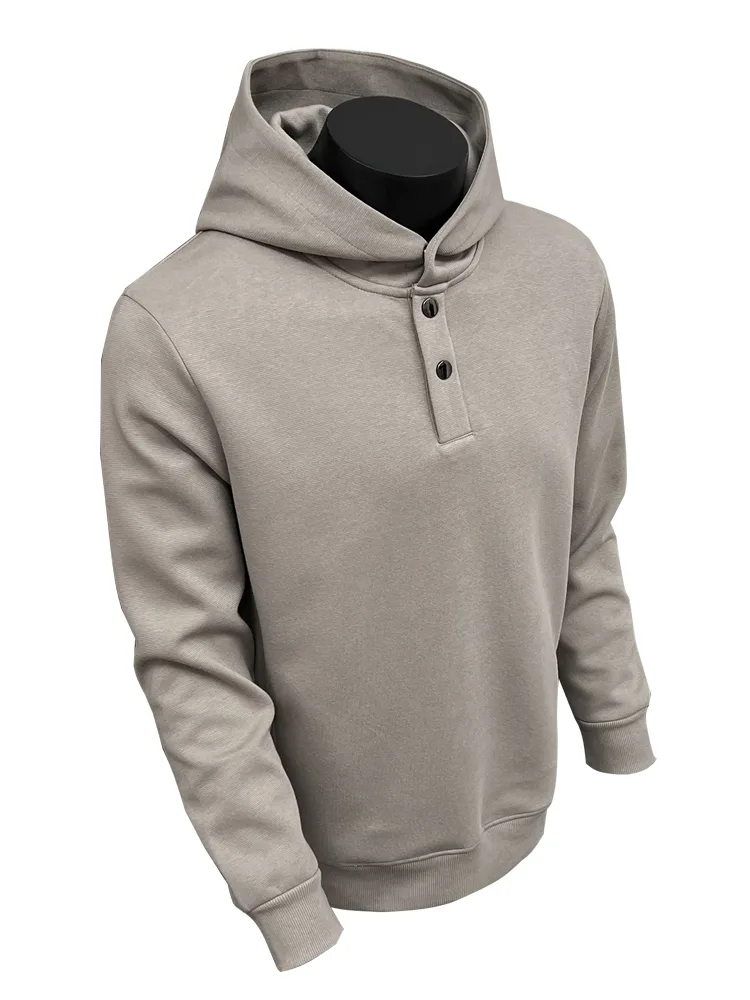
A hooded fleece passes through cutting, sewing and finishing before it ever ships - every stage needs its own reserved time, which is why capacity is booked as a chain, not a single date.
Comments / 评论
No comments yet. Be the first.