Who Owns the Pattern: The Grading Asset Behind Your Wholesale Repeats
When a style works, the conversation soon turns to repeats. Few buyers notice that the most valuable thing behind that style is not the garment on the shelf but the pattern underneath it — the base block, the graded nest, the record of every correction. Whether that asset can be reused next season, or carried to another supplier, is decided long before the first repeat order, in a few lines of order text that most contracts leave blank.
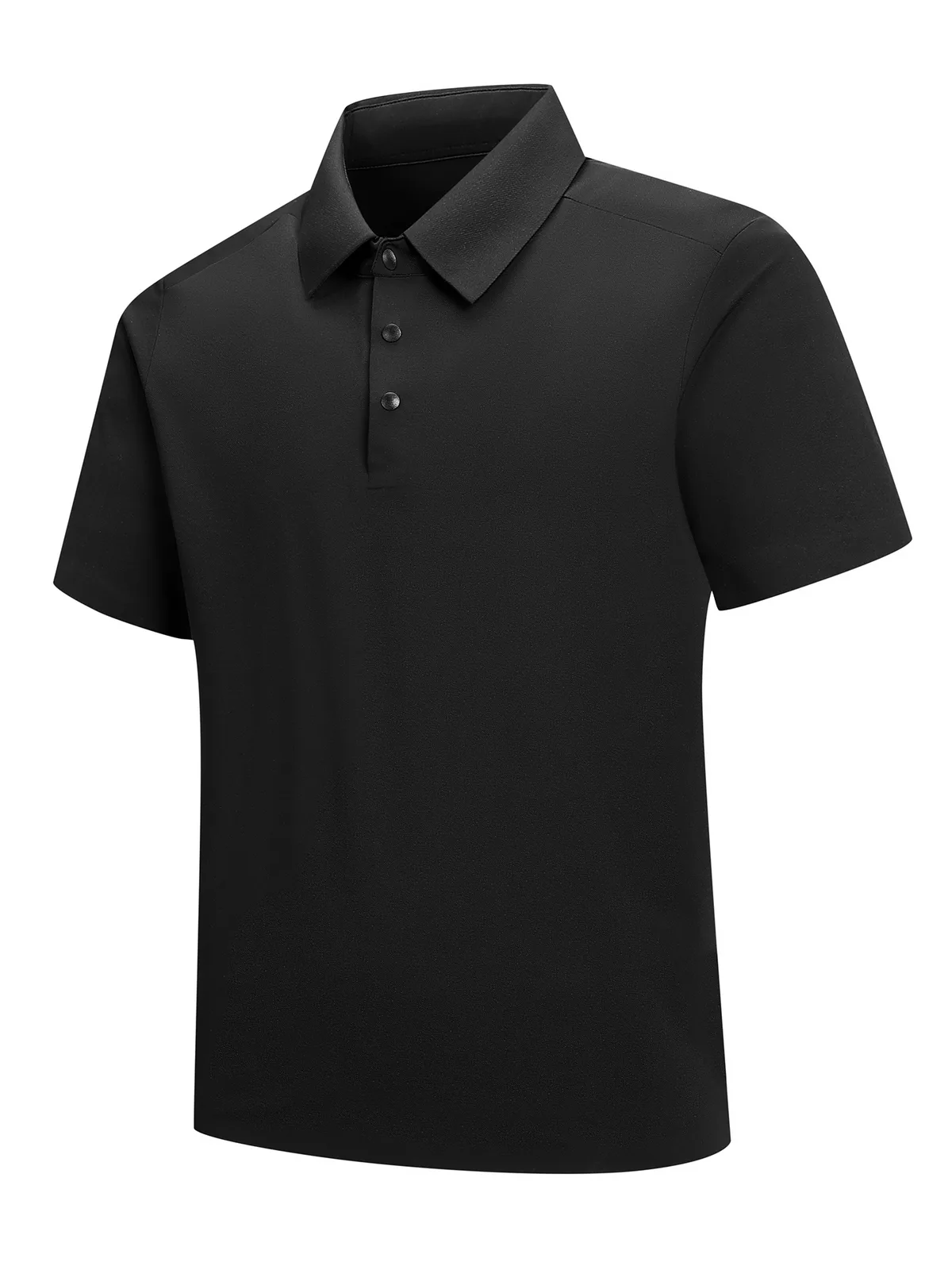
A proven base pattern can carry this body across colourways and seasons at repeat speed — but only for the buyer who knows where the pattern lives and who owns it.
The pattern fee decides who owns the blocks.
Patterning and grading have a cost, and somebody pays it. When a buyer pays a pattern fee, the honest question is what the payment buys: a licence to use the pattern, or ownership of the file itself. Where no fee line exists, the pattern stays with the supplier by default — not unreasonable, since the supplier carried the risk of development. Neither arrangement is wrong; what damages a relationship is silence. Ownership belongs on paper, in the same text that fixes price and delivery.
A pattern that stays buys speed and sells dependence.
When the pattern stays where it was cut, repeats are quick: the cutting room pulls the existing blocks and production starts without re-development. That is real value, and there is no shame in buying it. The price is dependence. Your fit history, your correction record, your entire graded nest live in somebody else's archive. Should prices drift or priorities shift, starting elsewhere means starting from samples again.
Portability decides what switching suppliers really costs.
Ask the question before you need the answer: can the pattern leave? Some suppliers hand over graded files, some sell them, some decline. None of these answers is unacceptable — but the answer belongs in the file before the first order, not inside a negotiation that begins when you are already unhappy. A pattern you can carry turns the cost of switching into a fitting session. A pattern you cannot carry turns it into full re-development, with all the calendar that implies.
Reusing a pattern and revising one are different bills.
Running an old pattern on a new colourway is the cheapest repeat you will ever place: the blocks are proven, the fit is known. Changing the placket, the pocket or the collar is another matter — each change reopens the pattern, and the grading must be re-checked across the size run before bulk fabric is cut. A revision deserves its own line in the quote, not a silent share of the repeat price.
The pattern record you keep is your leverage.
Even when the files never belong to you, the record can: which style, which base size set, which corrections were folded into the current version, who holds the pattern and what the fee covered. That page is your position in every repeat negotiation, and your memory when staff change on either side.
Before the first bulk order, put these points on paper:
- Who paid the pattern fee, and what the fee covers.
- Where the graded pattern lives, and who may request it.
- Whether the pattern leaves with you if the relationship ends.
- Which corrections are folded into the current version.
- What counts as a revision, and how a revision is quoted.
Ownership is not about distrust. A pattern that is clearly owned, clearly recorded and clearly portable is the difference between a repeat that starts at the cutting table and a repeat that starts back at samples. Ask while the first order is still friendly — it is the cheapest moment you will ever get.
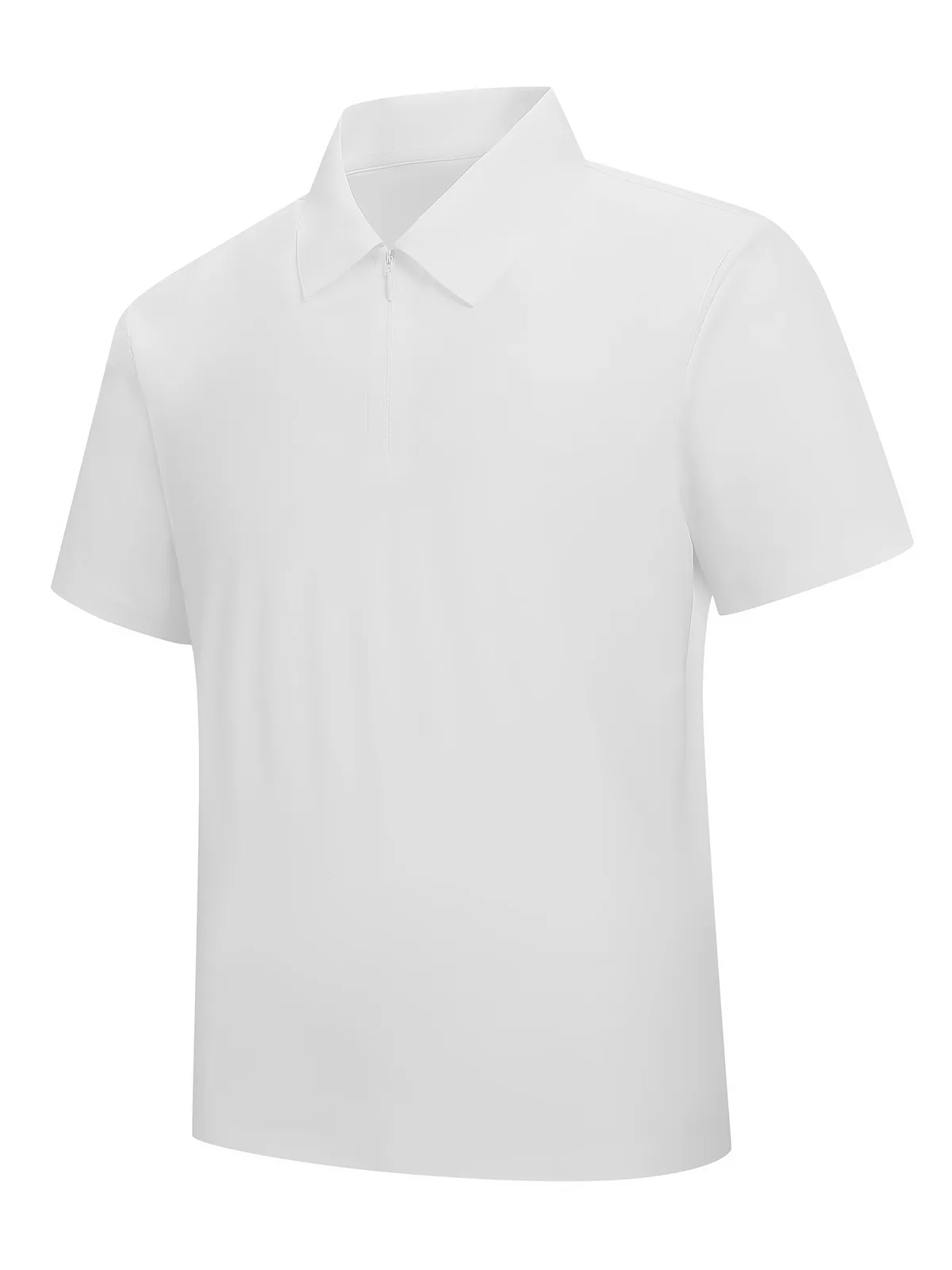
A half-zip placket is not a free edit of a buttoned polo: the pattern was reworked and the grading re-checked across the size run before bulk could start.
Comments / 评论
No comments yet. Be the first.