Following a Wholesale Order After Confirmation: Milestones That Keep Production Honest
Buyers who lose schedules rarely lose them at the shipping stage. They lose them in the quiet weeks between a confirmed purchase order and a promised ex-factory date, when nobody asks for progress and nobody volunteers it. Following up an order is not about pressure; it is about keeping the production story visible while there is still time to act on it.
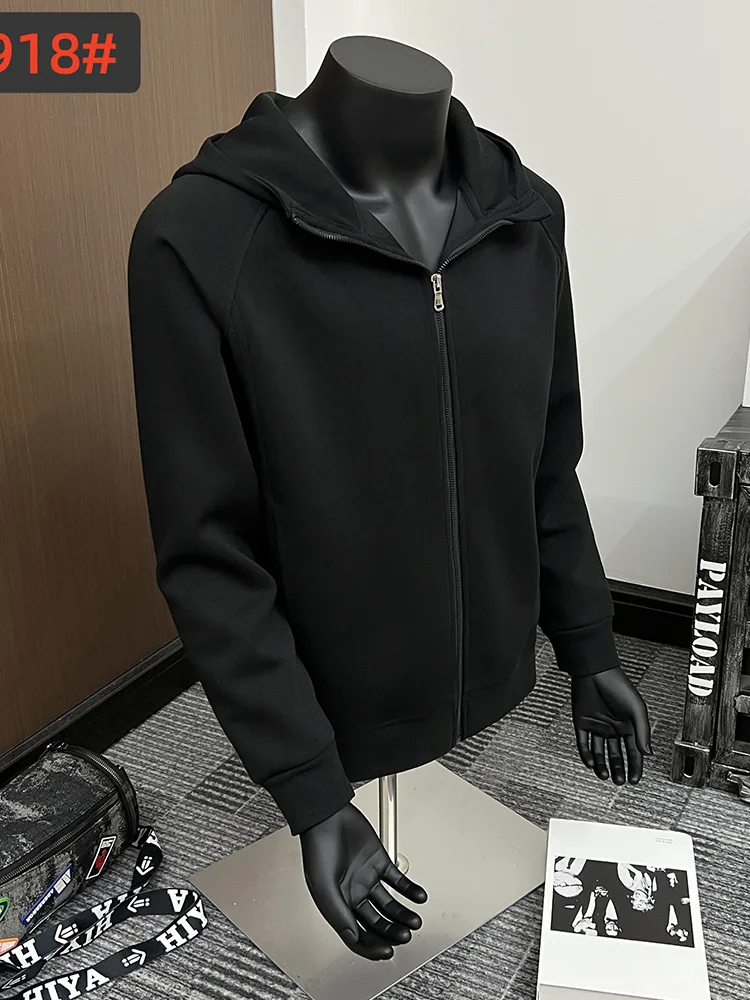
A stage photo like this is evidence, not advertising: a real garment, on a real form, at a real point in production - which is exactly what a milestone update should look like.
A confirmed order should come back with a written production calendar.
Once the order is confirmed, ask the supplier to restate the plan in writing, broken into dated milestones: fabric and trims ready, cutting started, sewing on the line, finishing completed, packing done, goods ready. Each milestone turns a vague promise into a claim you can check. Without a calendar, every question about progress becomes a negotiation about what was meant; with one, it becomes a comparison of dates against reality.
Progress you can see beats progress you are told about.
Ask for stage evidence as the order moves: a cutting-table photo showing your fabric, mid-sewing images from the line, finished pieces before they are packed. This is where mid-production checking earns its keep. A shade or workmanship issue caught while cutting is still open is a correction; the same issue discovered after packing is a claim. Evidence requested at fixed points costs the supplier little and buys the buyer options that no amount of goodwill can replace later.
Every change during production gets more expensive by the week.
Changes do not stop at approval. A label wording, a packing detail, a colourway swap - each one has a different price depending on when it lands. Before the fabric is cut, a change is a conversation; after, it is new material and lost days. Agree in advance how changes will be handled, and when one does happen, put it in writing with the agreed cost and the revised date. A verbal accommodation is where revised schedules quietly begin.
A fixed rhythm of check-ins prevents both silence and panic.
Follow-up works best as rhythm, not reaction: a short weekly update on one channel, with one named contact on each side, built around the milestone list. When a milestone slips, the rhythm turns a delay into an early warning instead of a surprise at the ex-factory date. Buyers who ask only when they are anxious, and suppliers who report only when asked, produce the same result - information that arrives too late to use.
Before the order moves into production, set up:
- A written milestone calendar with dates for fabric, cutting, sewing, finishing, packing and readiness.
- Stage evidence agreed in advance: cutting, mid-sewing and pre-packing photos of the actual goods.
- A mid-production checkpoint, while corrections are still cheap to make.
- A change process where every change carries a written cost and a revised date.
- A weekly check-in on a single channel, with a named contact on each side.
Practical takeaway.
Order follow-up is not distrust; it is information management. The buyer who sees progress weekly keeps a full set of options - correct, adjust, reschedule - while the buyer who first sees the order at the packing stage has already run out of them. Ask for the calendar, request the evidence, keep the rhythm.

Folding and packing is the last milestone before the goods are ready: once an order reaches this state, a problem is no longer a correction but a claim.
Comments / 评论
No comments yet. Be the first.