The Quiet Season Is a Position: Off-Season Ordering Rhythm for Wholesale Buyers
Peak-season booking is half of the calendar: slots are locked while everyone wants them. The quiet stretch between seasons is the other half, and it works by different rules. Capacity sits idle, attention is available, and the buyer who understands what that window is worth — beyond a lower number — uses it to set up the next peak. This is the season-rhythm and negotiating-position layer, and it rewards planning more than bargaining.

A finished garment on a quiet floor is the shape of the off-season window: capacity idle, attention available — and how an order treats that combination becomes part of the record.
A quiet floor is a negotiating position, not a discount coupon.
When lines run below capacity, a buyer's order is not just revenue; it is the difference between keeping trained teams busy and watching them drift. That gives the buyer a real position. But a position is not a license to push the number as far down as it will go. The price is only the most visible part of what the window offers, and it is the part that spoils fastest once demand returns.
An off-season order buys things a peak-season order cannot.
Placed while the floor is quiet, an order gets sampling attention instead of a queue. A change of mind gets absorbed instead of argued. The slot for the next busy season is confirmed against real availability rather than optimistic estimates. None of this arrives as a gift; it arrives because the order is real, fully specified, and treated as work worth doing well. The window pays back specificity, not aggression.
Pair the quiet order with the peak-season promise.
The strongest use of the off-season is structural. Steady, well-made orders in the quiet window mean the conversation about the next peak happens early, in writing, with a supplier who already knows the volume. A buyer who appears only when capacity is scarce negotiates from need. A buyer whose off-season orders kept a line running negotiates from record. The two halves of the calendar form one strategy, not two separate transactions.
A number squeezed too far returns as a queue.
An off-season price pushed below what the work deserves does not vanish; it is remembered. When demand comes back, the same allocation that once had room must choose among buyers, and the memory of how the quiet order treated the floor becomes part of that choice. The loss rarely appears as a higher quote. It appears as slower answers, thinner attention, and a re-order standing behind somebody else's. Paying fairly in the quiet window turns that payment into history the supplier can rely on.
Before placing an off-season order, four lines are worth putting in writing:
- What the order is for: a real, sellable style — not filler invented to occupy the floor.
- What the window is exchanged for: confirmed sampling attention, a firm slot for the next peak, or a price that holds when demand returns.
- How the number behaves later: whether the quiet-window price survives into the busy season or was only ever a one-off concession.
- What the supplier may rely on: the steadiness of the rhythm, so both sides can plan around it.
The quiet window is not a sale. It is the one stretch of the calendar where both sides have time to be precise. Buyers who spend it on cheapness come away with a discount. Buyers who spend it on structure — real orders, written exchanges, a rhythm both sides can plan on — come away with the next peak already arranged.
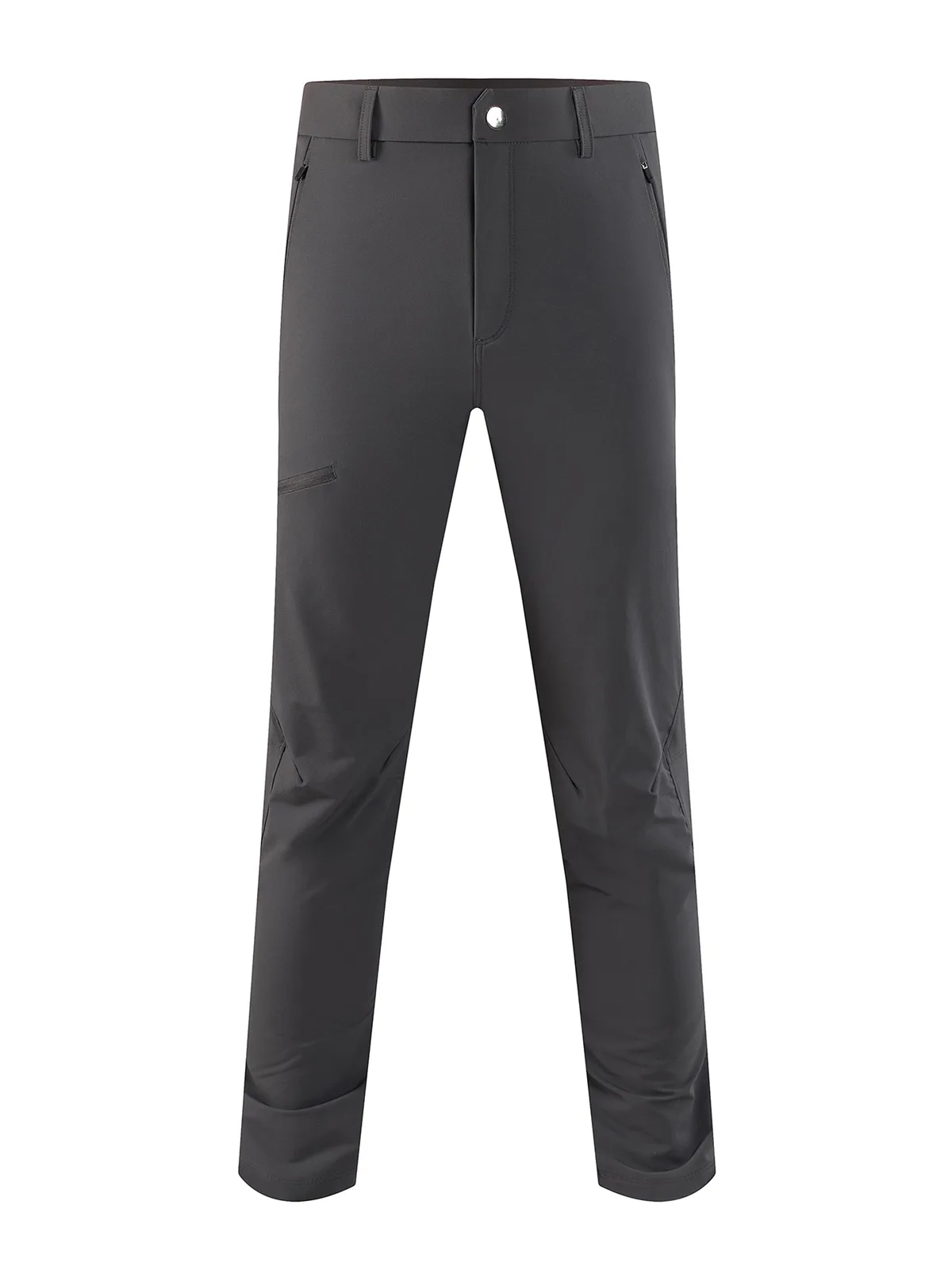
Orders placed in the quiet window are what set up the busy one: a steady rhythm filling the empty slots turns a discount into a position.
Comments / 评论
No comments yet. Be the first.