One Booking, Several Styles: Planning a Consolidated Wholesale Shipment
When an order covers several styles - a hoodie run, a polo run, a crewneck run - the default request sounds simple: put everything into one shipment. Consolidation genuinely saves freight and makes receiving easier, but it also changes the nature of the order. The moment several styles share one booking, every style becomes a dependency of the slowest one, and the shipment date stops being a logistics detail. It becomes a planning decision that deserves the same attention as the price.
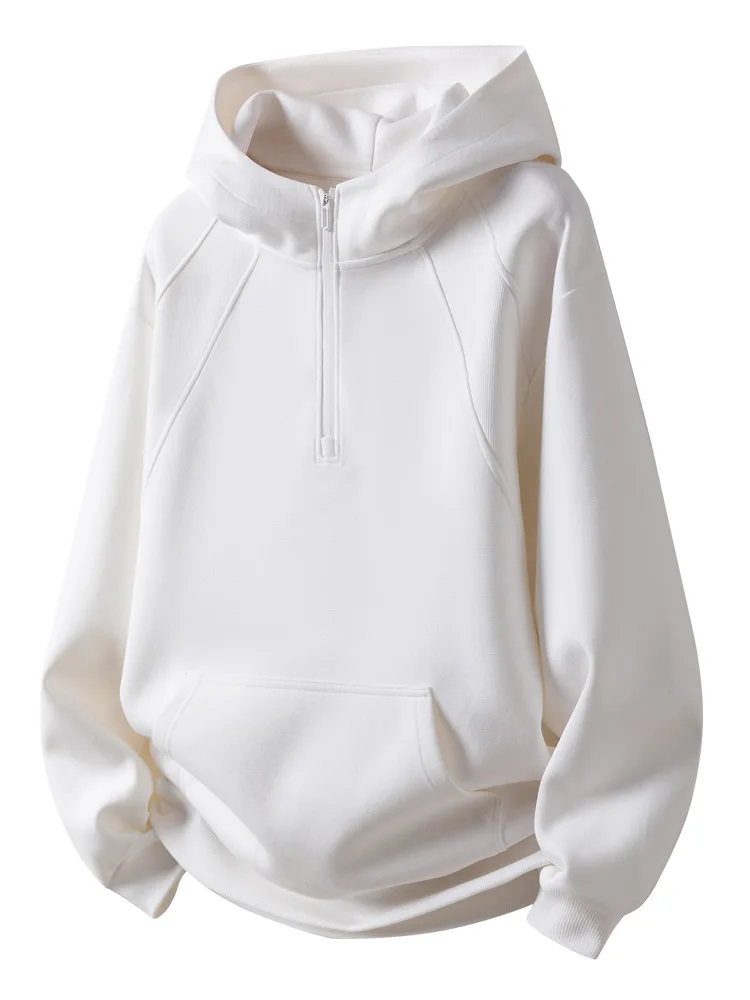
Consolidation starts from the style list, not from the cartons: every style in a mixed booking keeps its own specification while sharing one shipment date - which is why the date must be set from the slowest style backwards.
The shipment date belongs to the slowest style, not the fastest.
Before fixing any date on a consolidated booking, ask a single question: which style will be ready last? A hoodie waiting on a special wash, a polo still in dyeing, a trim that arrives late - any of these can quietly push the whole booking. A date agreed before that question is answered is not a plan; it is a wish. Experienced buyers fix the shipment date working backwards from the last style, and treat the earlier-finishing styles as flexible inventory that waits, not as the pace-setter.
Waiting has a price, and so does splitting.
Holding finished styles at the factory so they can share one booking ties up goods, space and cash, and finished cartons stored loosely are where handling damage hides. Splitting the order into partial shipments protects the fast styles, but it means extra documents, extra bookings, and two receiving events instead of one. Neither answer is wrong. What matters is deciding deliberately against your selling calendar: if the season moves faster than the slowest style, split; if the season can wait, hold and ship together.
Carton marking decides how clean receiving will be.
Consolidation is planned in the office but paid for at the receiving dock. Mixed cartons - several styles jumbled inside one carton - turn every count into a guess and every shortage into a dispute. Wherever possible, keep cartons style-pure. Where mixing is unavoidable, the carton marking and the packing list must state the style, colour and size breakdown, and the packing list itself should separate every style clearly. The person unloading the container should be able to sort the shipment without opening every carton.
One owner and one calendar keep consolidation honest.
A consolidated order fails in the gaps between people. Assign the cut-off decision to one named owner on the buyer's side, agree on a weekly readiness update per style, and decide in advance what happens when a style slips: hold, split, or move the booking. When the rule exists before the delay, the delay stays a scheduling event. When it does not, the same delay becomes an argument.
Before confirming a consolidated booking, make sure you can answer:
- Which style will be ready last, and what evidence supports that date.
- Whether cartons stay style-pure, and how any mixed carton is marked.
- Who owns the cut-off decision, and when the weekly readiness check happens.
- What the default action is if one style slips: hold, split, or move the booking.
- Whether the packing list separates every style, colour and size.
Practical takeaway.
Consolidation is a good tool precisely because it concentrates risk: one booking, one set of documents, one receiving event - and one date that every style must meet. Plan it backwards from the slowest style, keep the cartons and the packing list legible, give the cut-off a single owner, and the mixed shipment will feel like one order instead of several problems.
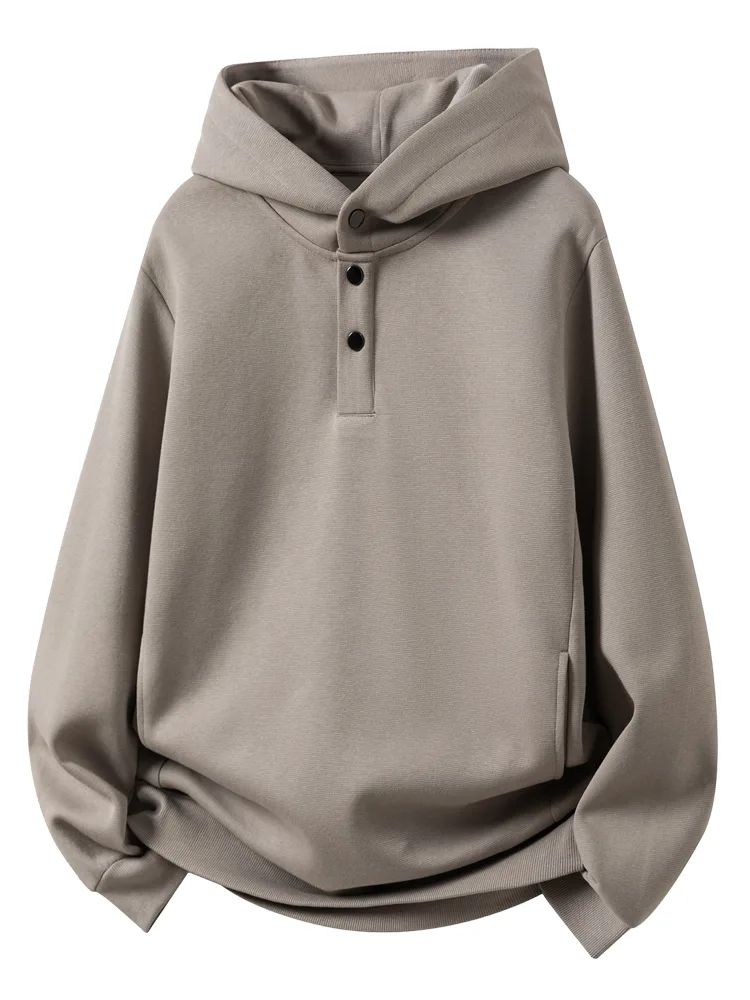
A style counts as ready only when it is packed and reconciled against its own packing list. Readiness, not intention, is what sets the consolidation date - and a weekly readiness update per style keeps that date honest.
Comments / 评论
No comments yet. Be the first.