Changing Your Mind Mid-Order: Handling Wholesale Changes Without Losing the Date
Somewhere in every long wholesale partnership comes the message: "Can we just adjust one small thing?" Sometimes the answer is yes, and the adjustment is easy. More often, that one small thing touches the fabric already reserved, the trims already ordered, the production slot already booked. Changes are not the enemy of a smooth order - unmanaged changes are. How a buyer and supplier handle mid-order changes decides whether the order stays predictable or turns into a running renegotiation.
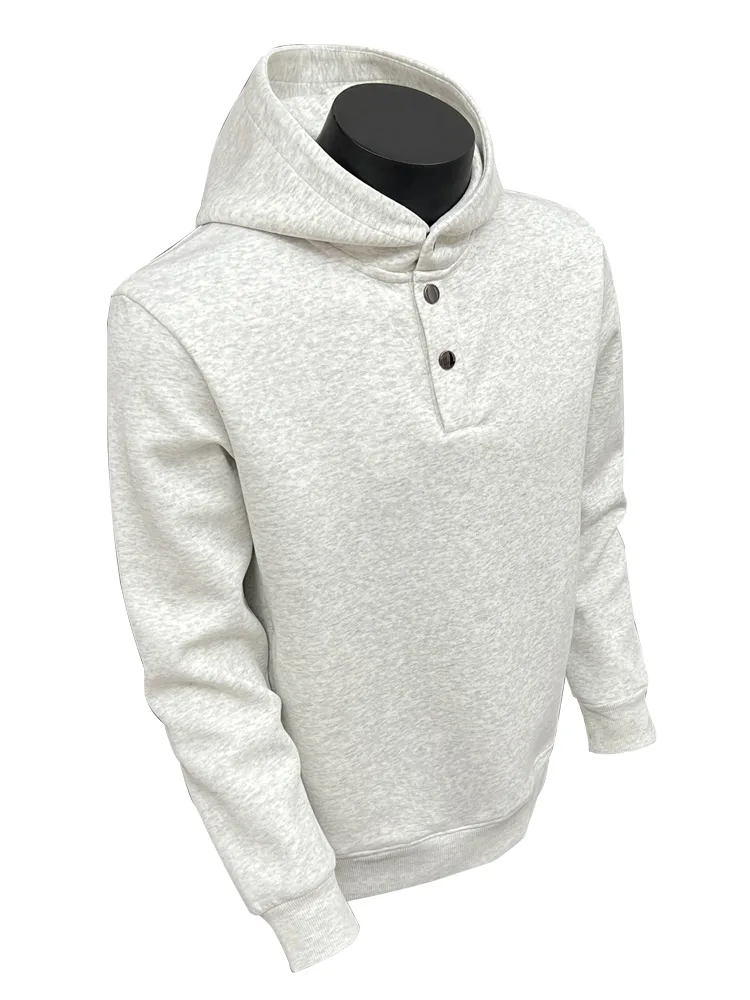
In a garment like this, the placket, the marl of the yarn and the hood read as one agreed look. Change a single element and the neighbouring details have to be re-confirmed together - which is why every change deserves a full impact answer, not a quick yes.
A change and a question are not the same thing.
Buyers ask many things during production: how is it going, what is happening this week, can you send another photo. None of that changes the order. A change is different - it alters what was agreed: a colour, a size ratio, a placement, a packing instruction. The first discipline is to label it as such, explicitly. Writing "small question" above a request that actually rewrites the spec is how changes slip into production without anyone weighing them. If a message would alter the order if confirmed, it is a change, and it deserves the full process.
Every change deserves a full impact answer.
A responsible supplier does not reply to a change with a bare yes. It answers with what the change touches: whether the material can still be sourced on the same schedule, whether the delivery date moves, whether the cost changes, whether the sealed sample is still valid, whether packing or labelling needs to be redone. A buyer should expect that structure and insist on it - because a "yes" that ignores the delivery date is not an agreement, but a delay waiting to be discovered. Both sides should treat the impact answer as the real confirmation, not the first enthusiastic reply.
The later a change lands, the more it costs.
Early in production, a change is mostly a paperwork exercise. After cutting, a change may turn finished panels into waste. After sewing, it may turn finished garments into rework. Neither side benefits from pretending otherwise. Agree in advance on a change window - the last point at which ordinary changes can be absorbed without reopening the schedule - and let everything after that window be treated as exceptional, weighed carefully and accepted only with its consequences stated in writing.
One confirmed version of the spec at any moment.
When changes accumulate, the worst outcome is ambiguity about which version of the order is real. Every accepted change should end in one updated, confirmed reference that supersedes what came before - dated, confirmed by both sides, and marked as replacing the earlier version. Conversations, photos and voice notes can support it, but only the confirmed reference governs. When a dispute arrives later, nobody should have to reconstruct the truth from a message history.
To keep mid-order changes under control:
- Label every request that would alter the order as a change, explicitly.
- Require a full impact answer - material, date, cost, sample, packing - before any yes.
- Agree on a change window before production starts, and honour it.
- After any accepted change, update and reconfirm one version of the spec.
Practical takeaway.
Change itself is normal; buyers' ideas sharpen and markets move. What separates a controlled order from a chaotic one is not whether changes happen, but whether each one is named, priced in consequences, confirmed in writing, and folded back into a single current version of the order. Buyers who insist on that discipline get flexibility that does not quietly cost them their delivery date. Buyers who accept loose yeses get the opposite: an order nobody can predict.
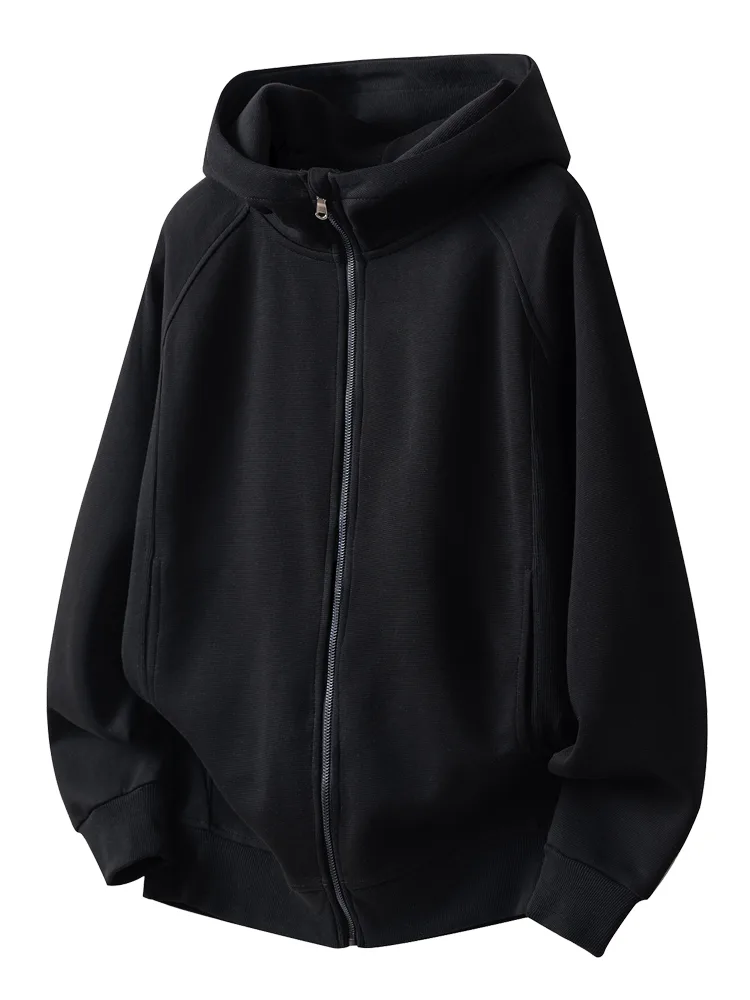
A zip-through style links its components: swap one part and the trims, pockets and seams around it move too. The later in production that decision lands, the more of the finished work it puts at risk - the change window exists to catch this.
Comments / 评论
No comments yet. Be the first.