LCL or FCL: How Wholesale Buyers Choose a Shipping Mode
The order is confirmed, the goods are packed, and one decision is left before the cartons leave: how they travel. Two modes dominate wholesale shipments. With LCL - less than container load - your cartons share space inside a container with cargo from other shippers. With FCL - full container load - you take the whole box, and only your goods travel in it. The choice shapes cost, handling, timing and risk on every order that follows.

Predictable volume starts with a good fold: measured cartons, consistent packing, and a packing list that describes what is actually inside the box.
The choice is about control, not only cost.
Under a shared load, your cartons are delivered to a consolidation warehouse, built into a combined shipment with cargo from other shippers, then broken apart at the destination port before pickup. Every one of those steps is a handling event, and each handling event is a chance for a crushed corner or a misplaced carton. With a full container, the empty box arrives once, your goods are loaded straight into it, the doors are sealed, and the seal is broken at destination. Fewer hands, fewer surprises at arrival.
Shared-load charges follow the space your cartons take.
Combined shipments are billed mainly on the room the cargo occupies, so the arithmetic is driven by volume, not weight alone. There is no universal size at which a full box becomes the cheaper option - the break-even moves with the route, the season and the space available on the vessels. The honest method is to ask the same forwarder to quote both modes for the same cargo on the same day, then compare not only the totals but what each quote leaves out at the destination end.
Bulky, lightweight goods change the arithmetic.
Fleece hoodies and other lofty knits are light for the space they occupy. Folded and packed with discipline, they fit into far fewer cartons than a careless fold allows - which is why carton dimensions should be measured from the actual packed carton, never estimated from a loose sample. A carton spec written once and reused for years is where volume charges quietly grow.
Handover, inspection and paperwork are planned together.
With a full container, loading can be scheduled at the point of packing, so a pre-shipment inspection and the stuffing of the box can happen back to back. With a shared load, the cartons leave for the consolidation warehouse before the vessel loads, so the check must happen before you give the goods up. In either mode, the inspection sits at the moment the goods leave your control - never after. The paperwork belongs to the same conversation: a packing list that describes the cartons that actually exist, written clarity on who handles export clearance, and a direct question about which charges appear at the destination end before the booking is made.
Before the booking is confirmed, have in hand:
- Carton dimensions and gross weights measured from the real packed cartons, not from a sample piece.
- Both modes quoted by the same forwarder on the same day, with destination charges visible in writing.
- The pre-shipment inspection scheduled for before the goods are handed over.
- Written clarity on who handles export clearance and who settles charges at destination.
- A packing list that matches the cartons exactly, with marks that stay readable in a busy warehouse.
Practical takeaway.
Shipping mode is not an identity. An order that travels as a shared load this season may deserve its own box next season, and the answer can flip just as easily. Requote both modes every time, keep the packing discipline that makes volume predictable, and let the figures - measured, not remembered - make the choice.
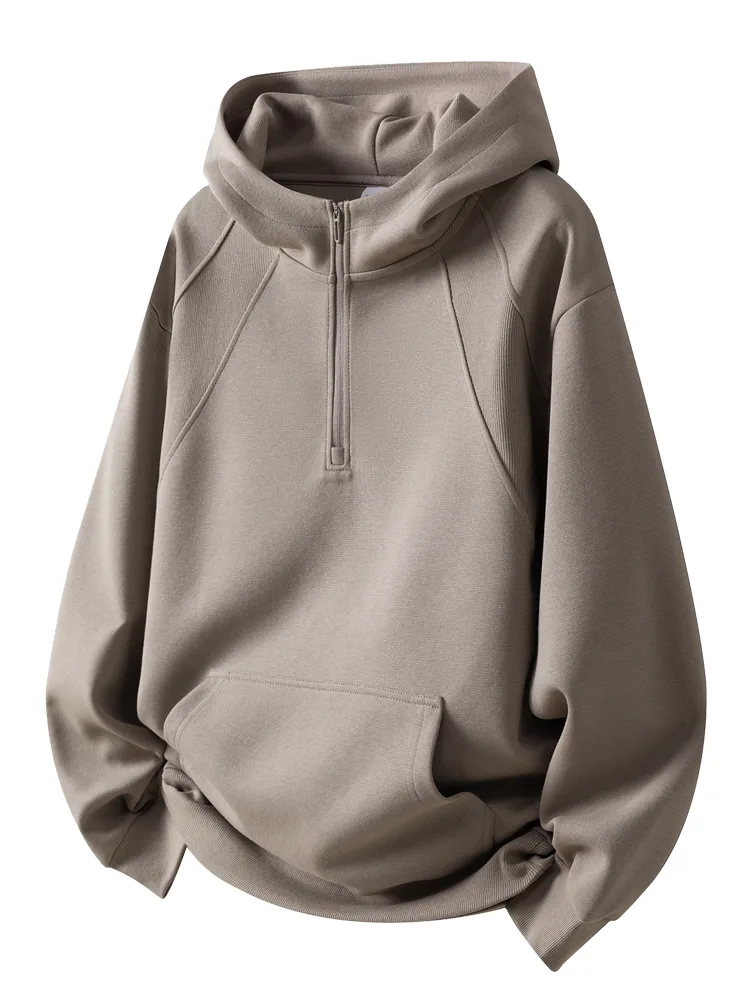
Lofty fleece occupies space far faster than it adds weight - exactly why shared-load quotes are driven by volume, and why the fold and the carton spec deserve real attention.
Comments / 评论
No comments yet. Be the first.