Labels and Packing Specs: Order Details Buyers Forget Until the Goods Land
A wholesale order can come off the line well made and still be hard to sell on the day it lands - if nobody decided what is sewn onto it and how it is packed. Labels and packing are the last documents a buyer writes and the first questions a warehouse asks. Both belong in the purchase order, settled before bulk production starts.
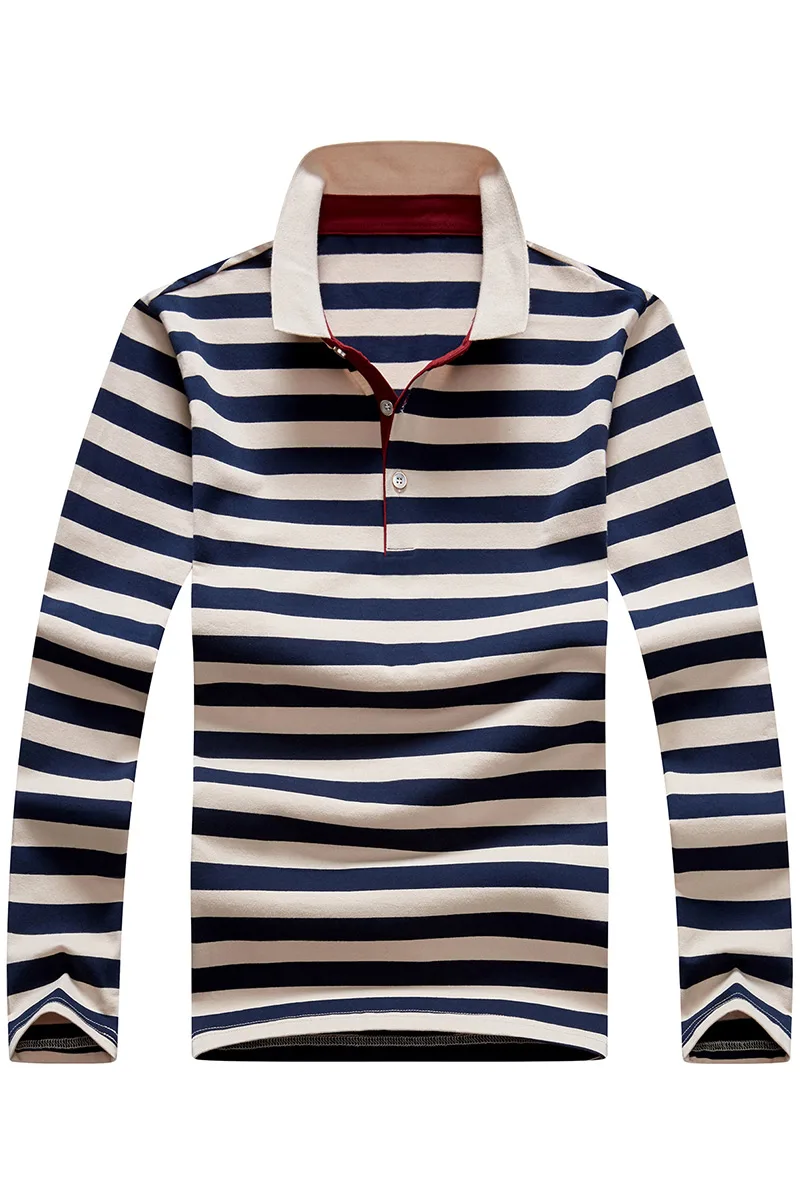
Label positions are physical locations: back neck, placket, side seam. A packing spec that does not say which label goes where leaves the decision to whoever is holding the iron.
The label pack is three decisions, not one.
Every garment carries up to three labels, and each is a separate decision. The main label sits at the back neck and says whose garment it is. The size label says which size it is. The care and content label states the fibre composition and how the garment should be washed - and because many markets expect that information to be printed or woven in, the wording should come from the buyer as approved artwork, not be improvised on the sewing floor. If you sell under your own brand, the pack also needs the decision buyers most often skip: your label, no label at all, or a neutral one.
Applied labels and loose labels are two different lead times.
Labels applied at the factory have to exist before sewing finishes, which means artwork approval, label production and delivery to the line - a schedule of their own. Labels shipped loose with the goods leave branding to be done locally: more flexibility, one more step for your team. Both are legitimate choices. The expensive option is not deciding, and having finished garments sitting in cartons waiting for a label pack that has not arrived.
Polybags and cartons protect the garment, not the brand.
Bagging each piece individually keeps it clean through handling and resale; bulk packing saves volume and material. Either works - but it should be chosen per style, along with any printing the bag itself needs, and with the shipping route in mind when deciding how much humidity protection the carton requires. Carton quality belongs to the same spec: a carton that fails in the stack damages stock that was perfect when it left the line.
Carton marking is what makes stock findable.
A carton marked only with a style number is a guess. One marked with style, colour, the size ratio inside, the quantity, and its position in the sequence - carton 12 of 40 - can be received, counted and picked without opening it. Declare the size ratio per colour, the same ratio you approved when the run was planned, and hold the packing line to it.
Before you sign the next purchase order, make sure it contains:
- The label pack: main label, size label and care label artwork, with placement for each - or a written no-label instruction.
- A decision on applied versus loose labels, with a deadline that precedes sewing.
- Packing method per style: polybagged or bulk, plus any printing the bag requires.
- The carton marking plan: style, colour, size ratio, quantity and sequential carton numbers.
- Carton quality and sealing, agreed in writing before the first carton is packed.
Practical takeaway.
None of this costs much to specify. What costs is discovering, on arrival day, that the care label wording was never approved, the bags were printed for somebody else's requirements, and the cartons read like a code only the packer understood. Write the label pack and the packing spec into the purchase order, and treat them with the same seriousness as the measurements.
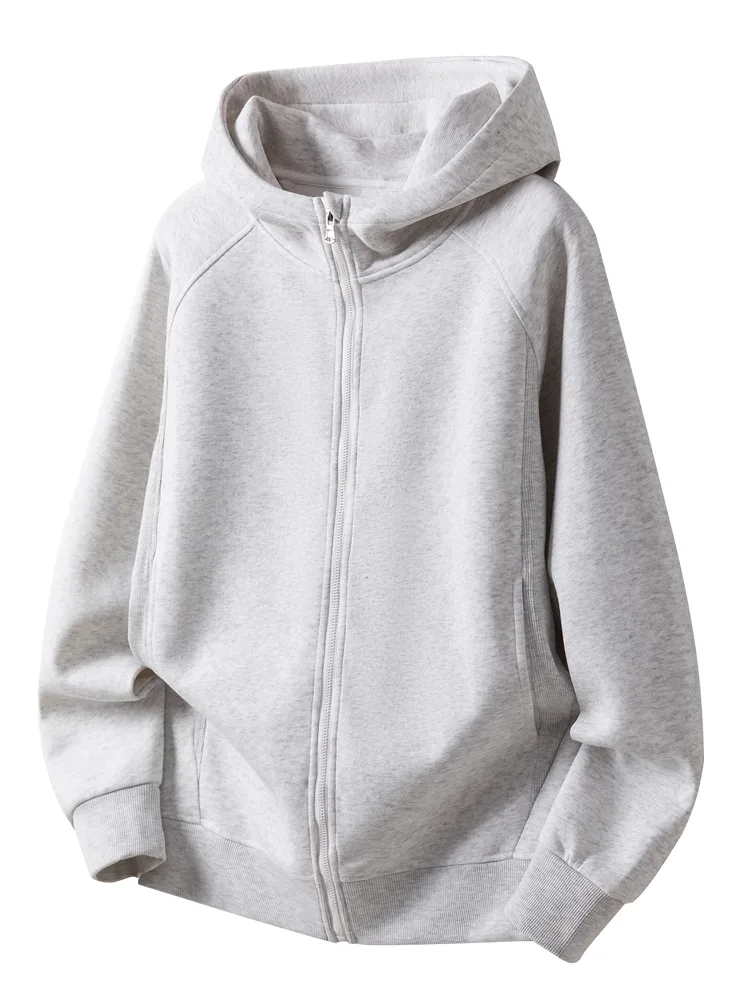
Whether a finished piece like this is bagged individually or packed bulk is written in the purchase order - not decided on the packing line the week the goods ship.
Comments / 评论
No comments yet. Be the first.