Fabric Test Reports: What They Prove and What They Cannot
Ask a supplier for a fabric test report and most will send one quickly. The harder question is what that document actually tells you about the cloth in your order. A report is evidence about one specimen examined at one time. It is not a general assurance about a fabric, and it is certainly not an assurance about the lot that will be cut for you. Buyers who understand the difference gain real protection; buyers who file the report unread gain a false sense of safety.
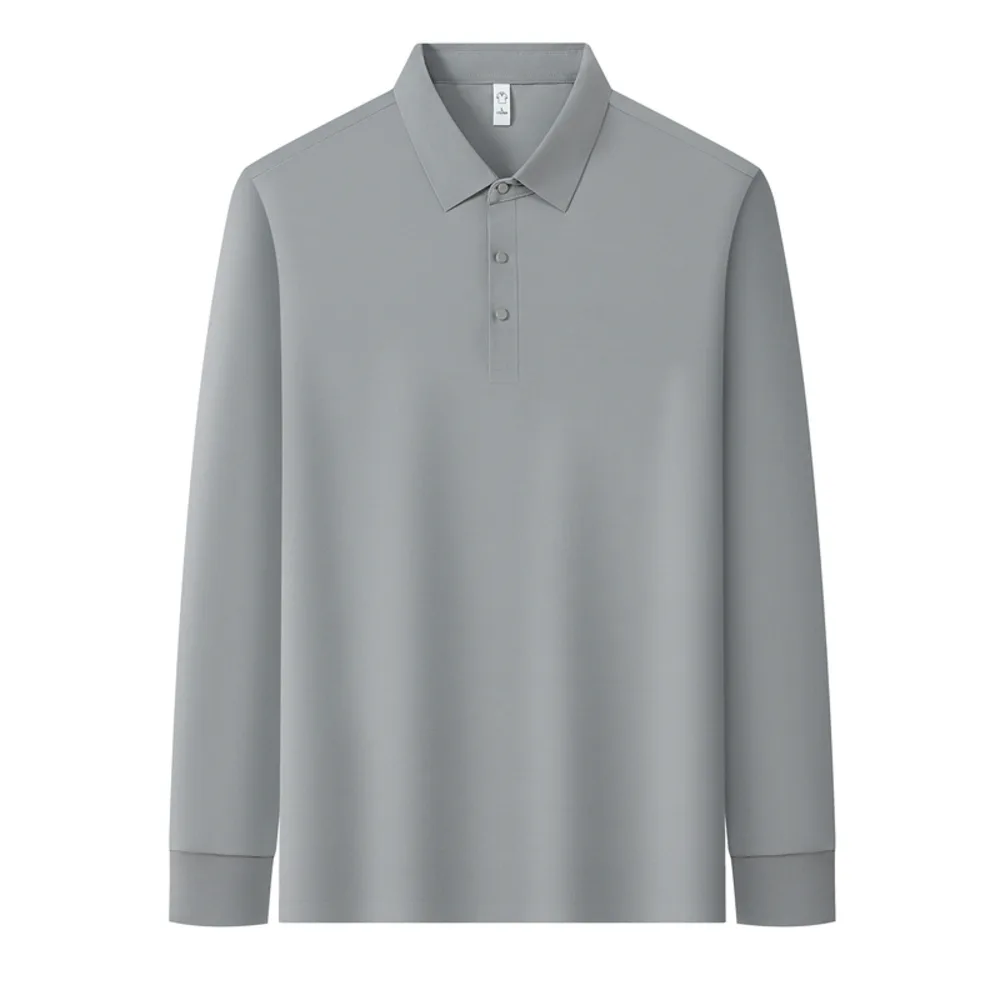
Cloth that looks even and clean tells you nothing about shrinkage, colour retention or pilling. That is the gap a test report is meant to close - and why the report has to belong to the same lot as the goods.
A test report describes a specimen, not a fabric in general.
Every report comes from a piece of cloth cut from somewhere, so the first question is where. A development swatch, a bulk roll and a sample hand-picked for the laboratory can all give different results, because yarn, shade and finishing vary between batches. A strong result on a hand-picked swatch says nothing about the roll in your order. Ask which lot the specimen came from, and whether that lot is running your goods.
A report without a named method and a date is decoration.
Laboratories can reach different conclusions on the same cloth if they prepare the specimen differently or measure after different numbers of home washes. That is why method, conditioning and date belong on the page beside the verdict. A report showing only a pass mark, with no method and no date, cannot be compared with anything - not with your previous order, not with a claim made elsewhere. Ask for the method to be stated, and keep reports from successive orders side by side so drift shows up before it becomes a complaint.
Decide what the garment must survive before you place the order.
A result means something only against a requirement. Many buyers accept whatever the supplier volunteers, then discover at retail that a garment which looks correct does not hold its shape or keep its colour. Work in the opposite order. Decide what the garment must survive in your market - repeated washing, hard wear, long sun exposure, frequent handling - then ask what evidence the supplier offers against those behaviours. Written into the order, that expectation becomes a specification. Left unspoken, it becomes an argument after delivery.
A report never replaces looking at the goods.
Even a thorough report covers one tested specimen under controlled conditions. It cannot tell you whether bulk cloth was stored damp, whether the cutting room mixed shades, or whether seams were sewn at the tension the fabric needs. Those faults are found by inspecting the goods, not by reading a page. Reports and inspection answer different questions, and a buyer needs both: the report for performance you cannot see, the inspection for workmanship you can.
When a test report arrives, work through it before you file it away:
- Which lot the specimen was cut from, and whether that lot is running your order.
- Whether the method is named and the date recent enough to reflect current production.
- Whether it answers the behaviours your market cares about, or only the convenient ones.
- Whether reports from earlier orders are kept together so drift shows up early.
- Whether the requirement was written into the order, so a result can be checked against an agreed standard.
Practical takeaway.
Treat a test report as evidence about a specimen, not a certificate for a fabric. Ask which lot was tested, insist that method and date appear on the page, define the performance your market needs before ordering, and keep inspecting what arrives. A report protects you only where you have already decided what you needed it to prove.
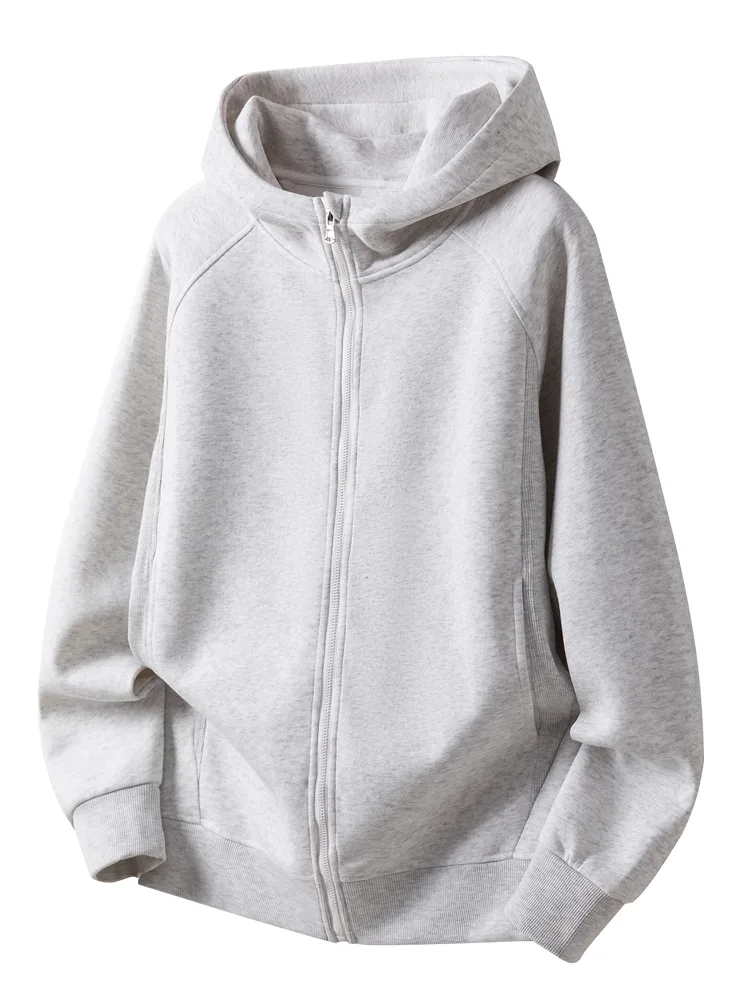
Heather yarn, brushed fleece, a soft hand - all readable by eye and hand, none provable by them. Keep the report for the performance you cannot see, and keep inspecting the goods for the workmanship you can.
Comments / 评论
No comments yet. Be the first.