When a Supplier Offers a Substitute Fabric: Compare Attributes, Not Names
Most wholesale orders change somewhere between the quotation and the loading date, and the change buyers remember longest is a fabric that is no longer available. Earlier pieces here covered how to handle a change mid-order and why a sealed counter-sample holds the standard. This one stays on the cloth itself: when a supplier offers something in place of what you specified, what do you actually compare before saying yes?
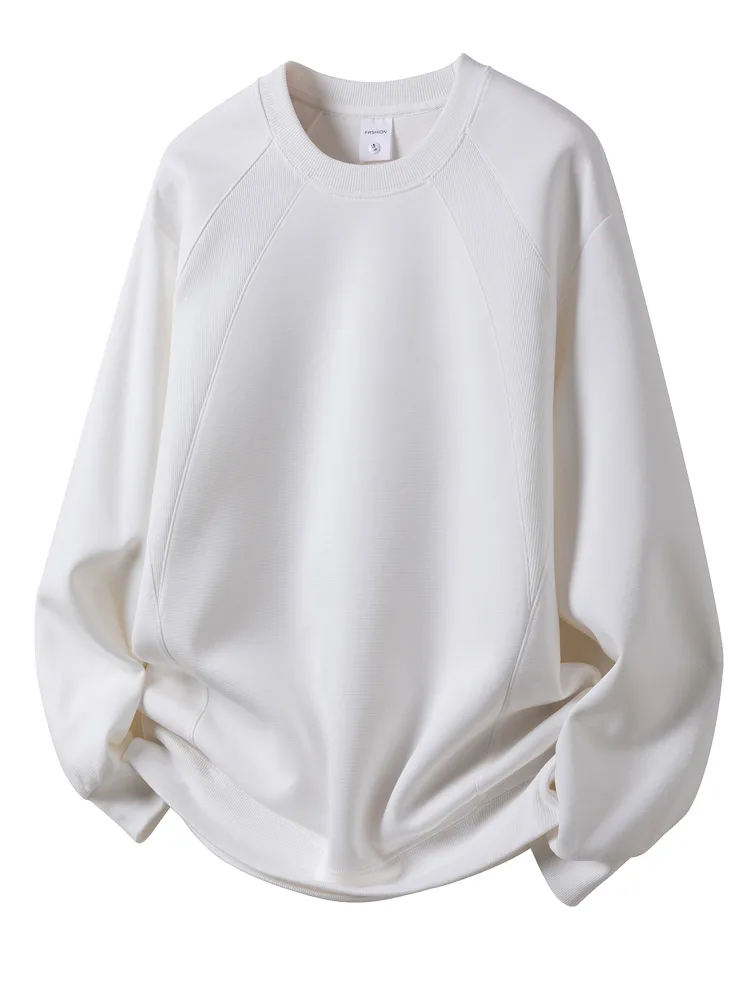
A photograph can show that cloth folds softly; it cannot show whether a substitute folds the same way. Hand and drape have to be judged in the hand, never read off a specification sheet.
A substitution offer tests how completely your specification was written.
The moment a mill runs short of a quality, or a price moves beyond what the quotation assumed, the supplier comes back with an alternative. That message is also a reading of your own paperwork. If the order named a fabric without saying what made it right - the weight band, the hand, the drape, the shade direction - nobody can argue the substitute is worse, because nothing in writing says what better or worse means. Substitution conversations are usually a symptom of a thin specification rather than of a difficult supplier.
Compare attributes, not names.
Two fabrics can carry the same trade name and behave nothing alike. The useful comparison sits in the attributes that reach the wearer: fibre composition and the proportion between the fibres, weight, softness against stiffness, how the cloth falls, how it recovers after being crushed, how the surface behaves through washing and abrasion, and how the colour holds under light and rubbing. Write that list before you look at the alternative, or the alternative will quietly set the terms of the comparison for you.
Matching figures does not mean matching cloth.
Composition and weight can line up exactly while the garment still feels different on the body. The yarn, the way it is spun and twisted, the structure of the knit or weave, and the finishing all change what your customer will feel. A substitute that measures identical and hangs stiffer is not equivalent; it is a different product with a coincidental label. Reading a specification is not the same as handling the cloth and seeing it made up.
A substitute earns its place through a new sealed sample.
Approval spoken inside a message thread leaves the next inspection with no reference. When you accept a replacement, the old sample stops being the standard and a new one has to take its place: cut from the bulk lot that will actually ship, labelled with the style it belongs to, recorded, and shared with everyone who will check the goods later. Without that step the substitution exists only in the memory of the two people who discussed it.
When a replacement is proposed, work through the same sequence every time:
- Ask why: the mill's stock position, a price movement, or a lead time the original quality cannot meet.
- Ask which attributes stay identical and which ones move, in the supplier's own words.
- Handle the alternative, and see it made up rather than flat on a table.
- Confirm the effect on price and on the delivery date, and put both back into the order text.
- Retire the old sample, seal and record the new one, and tell every party who inspects the goods.
Say yes only when you can describe what changed.
A substitution is acceptable when you can state in one sentence what is different, what is unchanged, and why the difference does not reach your customer. If that sentence cannot be written, the decision is hope rather than approval - and hope is not something a buyer can inspect against a sample later.
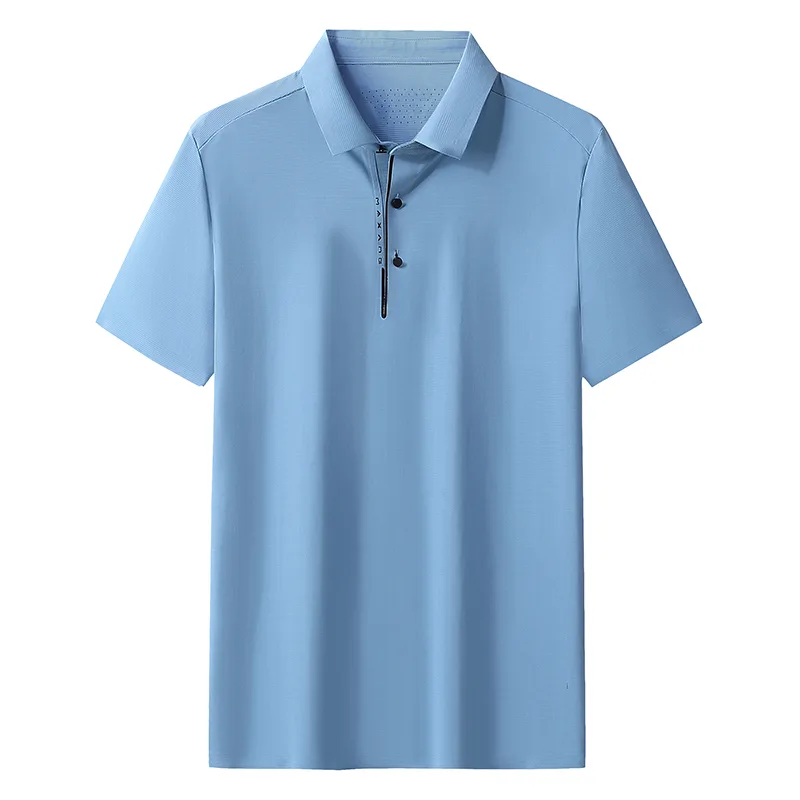
Only when substituted cloth becomes a collar, a placket and a hem can it be judged as the garment your customer receives - which is why a new sealed sample, not an approval message, is the record that counts.
Comments / 评论
No comments yet. Be the first.