Describing Fabric Hand-Feel: How Wholesale Buyers and Suppliers Agree on What Soft Means
Ask a room of buyers what "soft" means and you will get a room of different fabrics. Hand-feel is the quality wholesale buyers care about most and describe worst, because it lives in the fingertips while communication lives in words. A supplier can match a measurement, a shade card, a size chart. A feeling has to be translated first - and most disputes about fabric are not quality failures at all. They are translation failures.
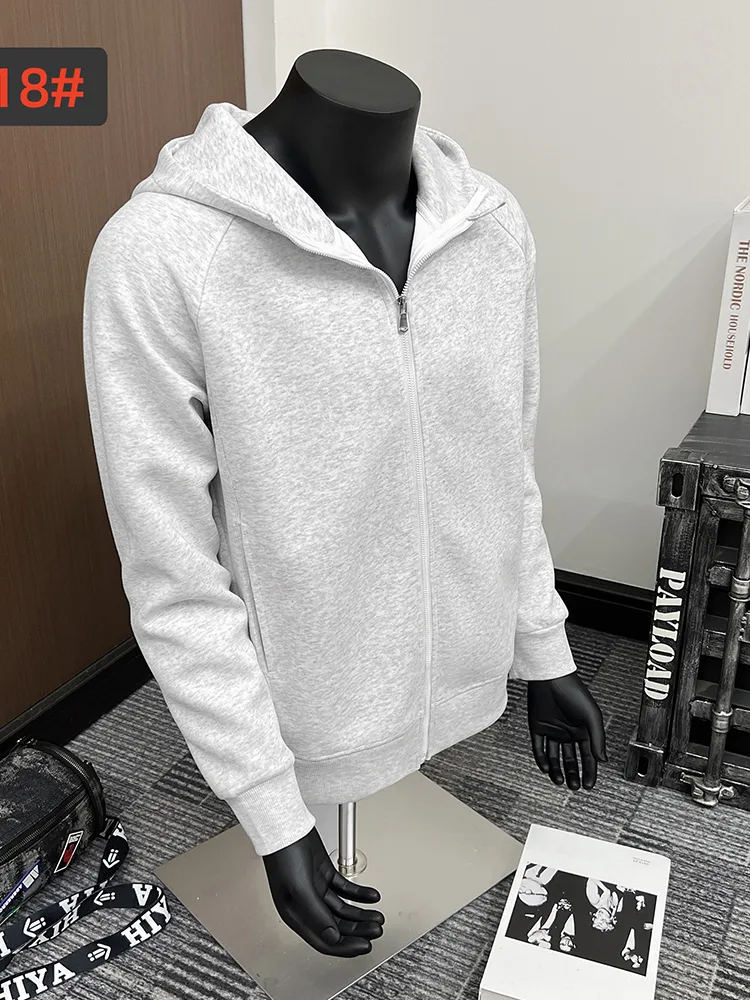
A photograph shows the surface - the marled knit, the ribs, the drape of the hood - but hand-feel has to travel by words and a swatch; this is where buyer and supplier start calibrating.
Hand-feel is a vocabulary problem before it is a quality problem.
Words like soft, heavy, dry or thick mean different things to different people. A buyer says soft and means relaxed and broken-in; the supplier hears soft and ships the softest yarn they stock, which drapes like a napkin. Nobody lied. The buyer described a mood, the supplier matched a word, and the two were never talking about the same cloth.
A reference swatch settles what adjectives cannot.
The strongest tool is not a better adjective but a physical anchor: a swatch or a garment that both sides have actually held. "Between this swatch and that one, but drier" gives a mill something to aim at that no dictionary can. Send the reference with the enquiry, then ask the supplier to return their proposed fabric before bulk so both sides calibrate on the same cloth - in both directions.
Drape, weight and surface are separate conversations.
Buyers tend to bundle them into one overall impression, which makes feedback unusable. Drape is how the fabric hangs off a body. Weight is the mass in the hand. Surface is what the fingers read - fuzz, smoothness, the ribs at the cuff. Splitting them turns "it does not feel right" into an instruction a mill can act on: lighter, less fuzzy, more body, same drape.
Finishing changes the hand more than the yarn choice does.
The same base cloth can arrive boardy and stiff or relaxed and broken-in depending on wash and finish. So the target hand must be defined after finishing, and approved on finished fabric rather than greige. A sample signed off before the wash will not survive the wash - and bulk then arrives correct on paper and wrong on the skin, which is the most expensive kind of correct.
Before the fabric conversation starts, put these on the table:
- A physical reference swatch sent out, and one returned by the supplier.
- Drape, weight and surface described separately, not as one adjective.
- A clear statement of whether the target hand is before or after wash and finish.
- The supplier's own way of recording an approved hand, so bulk can be checked against it.
- Samples touched the way a customer will meet them: worn, washed, then judged.
Practical takeaway.
Treat hand-feel as a specification, not a mood. The buyer who ships a swatch and asks for one back buys the same fabric twice; the buyer who only says soft buys a negotiation. Feel is negotiable in words, but it is only enforceable in cloth.
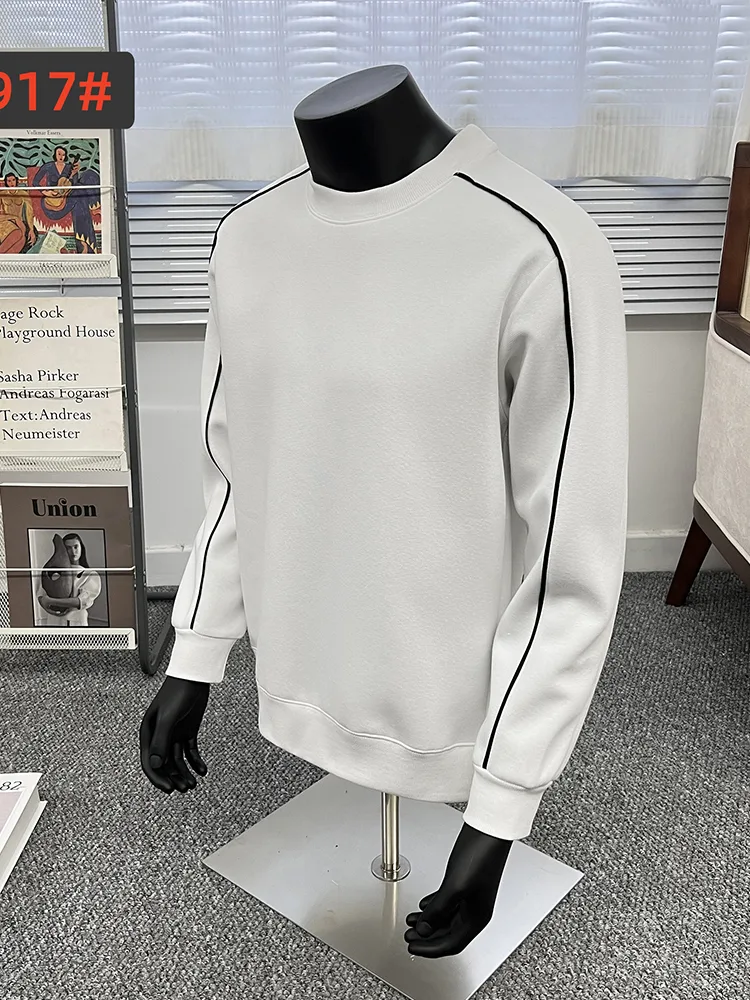
Two garments from the same fabric family can differ in hand once washing and finishing are applied - which is why the target feel must be approved on finished cloth, not on paper.
Comments / 评论
No comments yet. Be the first.