Where the Cloth Goes: Reading Fabric Consumption Behind a Wholesale Quote
One style, several suppliers, and the quotes come back refusing to agree. The instinct is to challenge the fabric price or the labour rate, but the gap often sits one line earlier: how much cloth each supplier counted for the same garment. Keeping quotations comparable is its own subject, treated before; this article stays underneath it, on the quantity the price is built from.
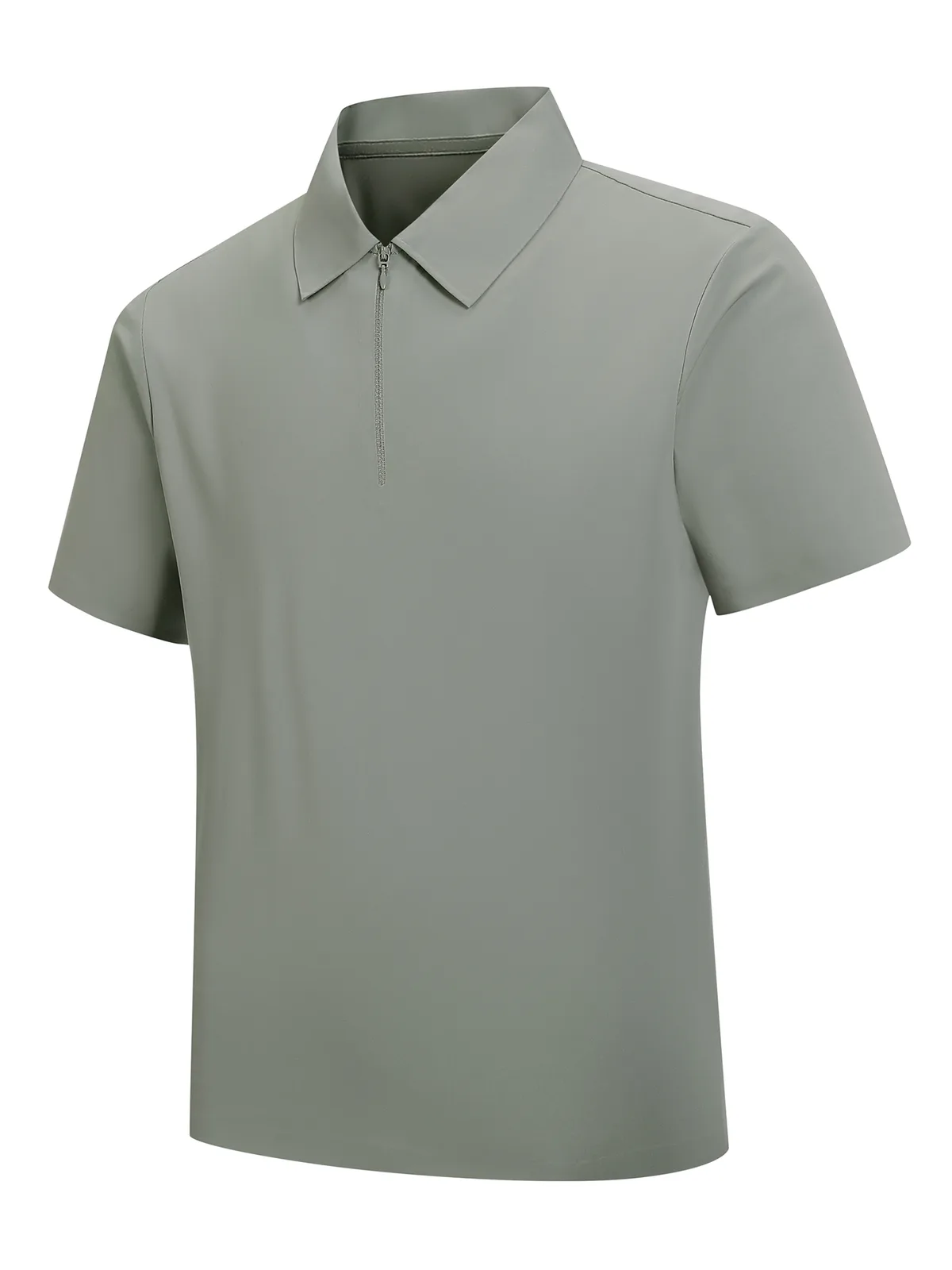
A plain body on a clean layout looks like the easiest style to count — yet its consumption still moves once the size curve, roll width and cutting loss are set, which is why the basis matters more than the number.
Consumption starts with the unit, so ask which unit is being used.
Cloth is bought by the metre in some markets, by the yard in others, and knits are often sold by weight. These are not three spellings of one number. Weight turns into length only through the fabric's weight per unit area and the roll's width, each carrying its own assumption. A figure given by weight cannot be checked against one given by length until both sit in the same unit — and the conversion is where quoting errors hide. The unit goes on paper first.
The quoted figure is gross, and the distance to net is the argument.
What the pattern pieces cover is net consumption. What a factory buys is gross: the same area plus cutting loss — end pieces, flaws in the roll, the strip a width leaves over. Some quotes price the net figure and let the buyer meet the loss at invoicing; others price the gross. Both are legitimate, but an unstated one is not. Ask what the loss is assumed to cover, and who absorbs it when reality disagrees.
The marker ties consumption to the size curve in the order.
A cutting layout nests pieces across sizes laid together, and the nesting changes with their ratio. An order weighted toward smaller sizes usually wastes more; shift the curve and the same pieces pack differently. A consumption figure therefore belongs to one size ratio, not to the style. Reusing an old quantity on a different curve is not saving time; it is quoting a garment nobody is cutting.
Width and shrinkage move the quantity before cutting begins.
How many body panels fit across a roll depends on its width; a narrower fabric forces more rows and a longer run. Shrinkage works from the other end: extra length is bought so the finished garment still meets its measurements. Both belong inside the figure. If the fabric's width changes mid-negotiation, the quantity changes with it — a quoted quantity that does not move was never based on the fabric.
Write the consumption basis into the order, or the reorder cannot be compared.
A number without its basis expires the day it is quoted. The confirmation should carry the unit, whether the figure is net or gross and what its loss covers, the assumed width, the size ratio the layout was planned on, and the shrinkage allowance. When the reorder arrives seasons later, the old figure is reusable only if its basis travelled with it — otherwise the conversation starts from suspicion, not record.
Before signing, the consumption line should survive this list:
- The unit is named, and both sides are counting in it.
- The figure is marked net or gross, and the cutting loss is defined.
- The fabric width the layout assumes is stated.
- The size ratio the marker was planned on matches the order.
- The shrinkage allowance is inside the figure or written beside it.
None of this turns a buyer into a cutting room. It makes the quantity behind the price stated instead of assumed. Suppliers respect a consumption line that carries its basis: it promises the next disagreement will be about what was written down — not about a number nobody remembers agreeing to.
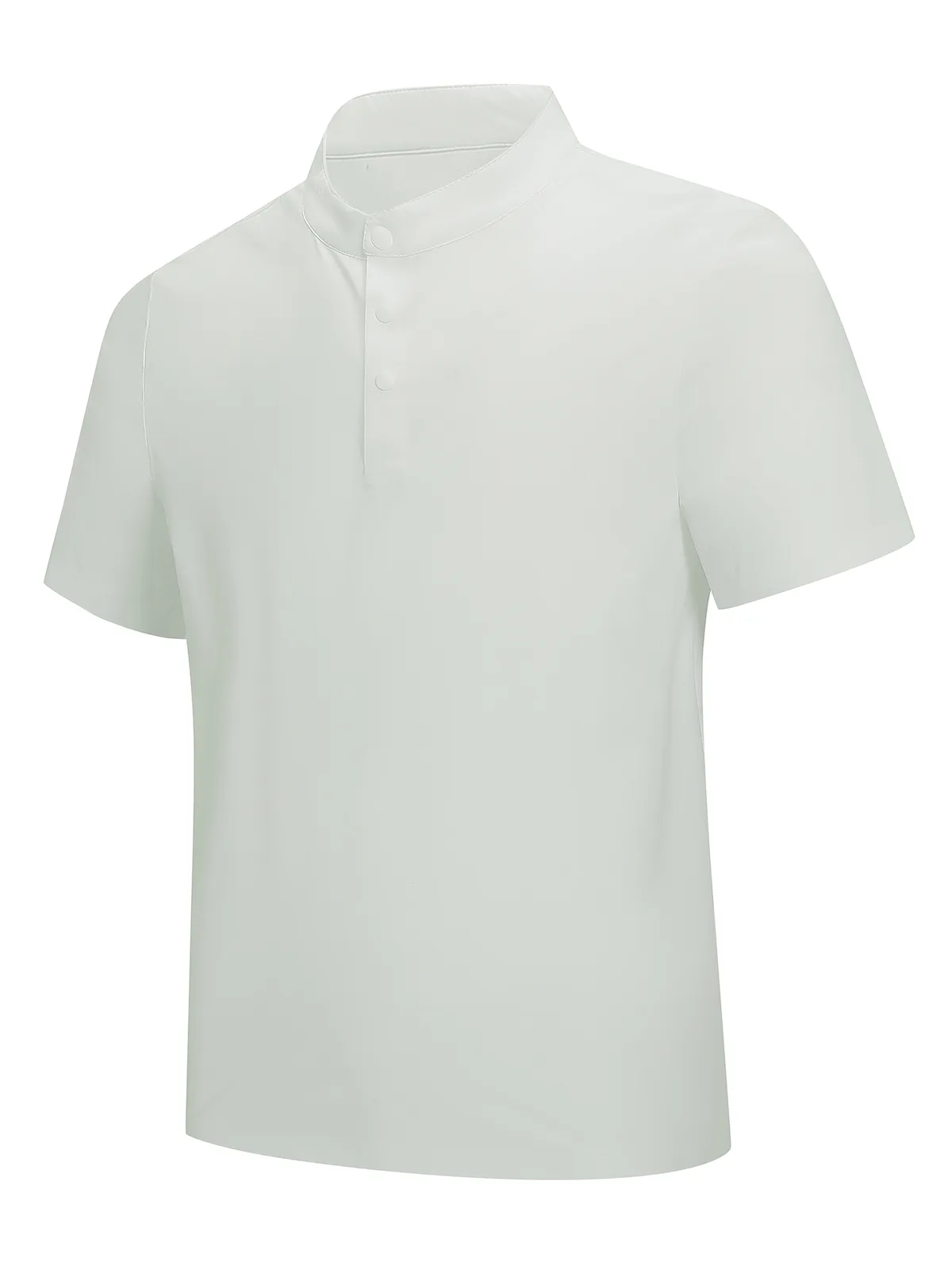
A different collar and placket mean different pattern pieces, and different pieces nest differently on the marker — the same chest width can carry a different cloth quantity once the details change.
Comments / 评论
No comments yet. Be the first.