The Fabric Calendar: Booking Greige, Dye and the True Start of a Wholesale Order
When buyers talk about lead time, they usually mean the sewing line. Capacity is booked, dates are agreed, and the calendar feels settled. Yet the longest clock in most orders is not the one standing next to sewing machines — it is the fabric clock, and it starts well upstream. Buyers who plan only for capacity discover that cloth has its own schedule, its own queues, and its own way of deciding when production can honestly begin.

One body, one bolt of greige — whether it ends the season navy is decided at the dye stage, which is where the fabric calendar really lives.
A booked production slot is not a booked fabric slot.
Reserving capacity reserves machines and hands. It says nothing about whether cloth will be on the cutting table when those hands arrive. Fabric moves through its own stages upstream — yarn, weaving or knitting, dyeing or finishing, then delivery to the cutting room — and every stage keeps its own queue of earlier commitments. If sewing is reserved but fabric is never firmly committed, the slot can arrive with nothing ready to cut. The factory waits, the slot burns, and the delay is recorded as production time even though it was born in the fabric plan.
Greige waiting for dye and ready colour are two different clocks.
Undyed cloth exists in volume; it can be dyed to your shade, which keeps colour decisions open — but dyeing inserts its own stage between your decision and cutting-ready fabric. Colour already on the shelf moves quickly, yet it binds you to shades somebody else forecast. Neither route is better; they trade flexibility against speed. The mistake is treating them as interchangeable on a quotation, because a price built on greige-to-dye and a price built on stock colour do not share the same calendar underneath.
When fabric is committed decides how wide the colour window stays.
Commit fabric early and the shade can still move after your salespeople have watched the season develop. Commit late and colour must be frozen the moment the order is signed. That colour window is bought with calendar, not with negotiation — no amount of goodwill widens it after the cloth has entered the dye stage. Buyers who want late colour freedom should say so while the fabric route is being agreed, and accept the trade it carries, rather than discovering the window closed with the cloth already in the vat.
The fabric-ready date is the true start of sewing.
Milestones on the fabric side deserve the same tracking discipline as production milestones: greige allocated, dyeing entered, finishing completed, cloth delivered to the cutting room. A sewing start measured from fabric arrival is an honest date; one measured from contract signing is a wish. When something slips upstream, the production slot either moves with it or sits idle while invoices continue — and either outcome is easier to negotiate in advance than to explain afterwards.
Before signing, put the fabric calendar on paper:
- Which fabric route applies: greige-to-dye, or stock colour.
- Who books the dye stage, and against whose queue.
- The fabric-ready date the sewing start is measured from.
- What happens to the production slot if the fabric slips.
- Which colour decisions stay open after the order is signed.
Capacity is rented; fabric is made, dyed and moved. The two calendars touch only at the cutting table, and the second one is nearly always the longer. Ask about the cloth calendar in the same conversation as the sewing calendar — the order that starts at the fabric truth starts on time.
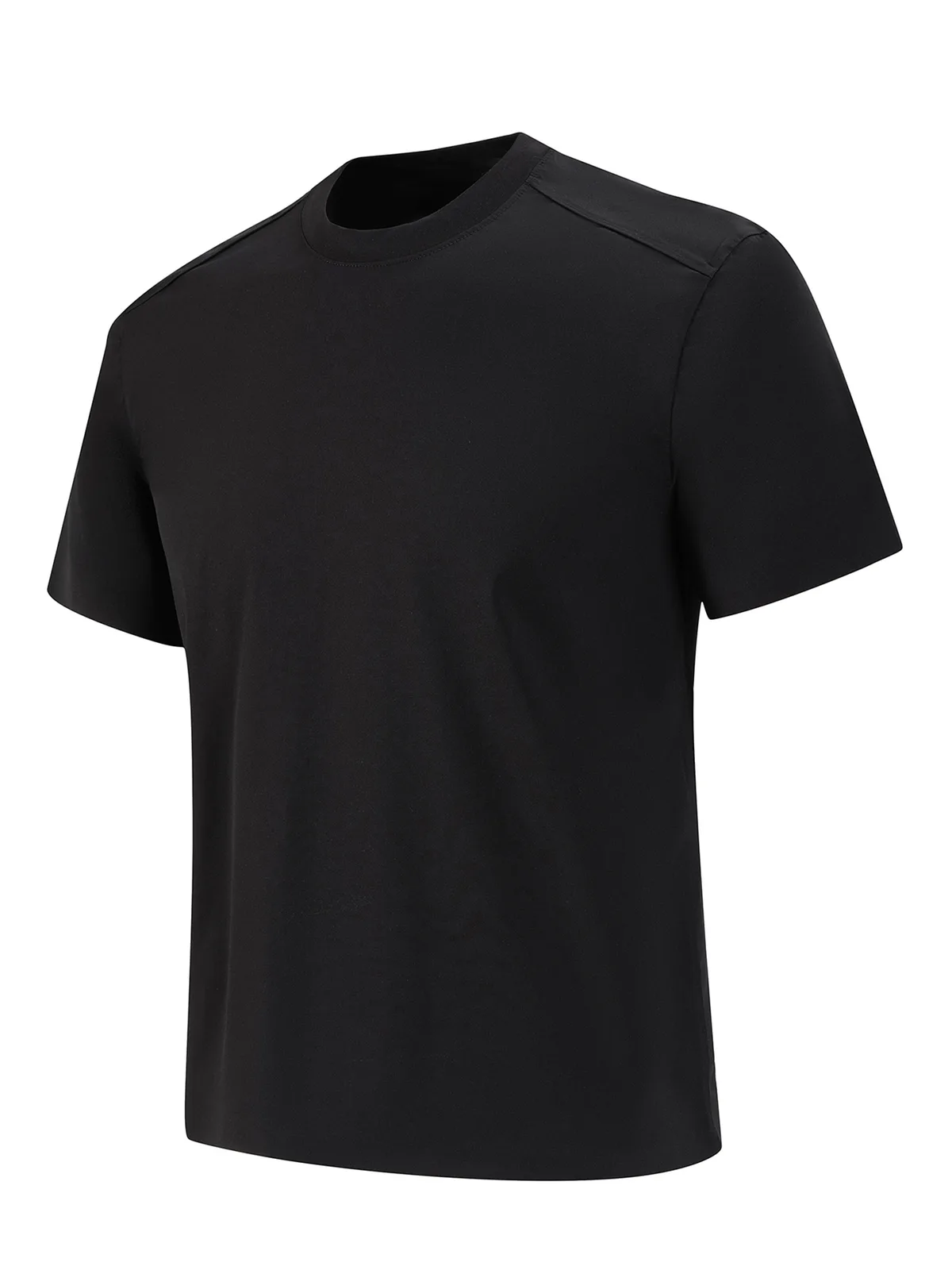
A second shade on the same body is inexpensive when the fabric plan kept the colour window open, and costly when dye was committed in haste.
Comments / 评论
No comments yet. Be the first.