When Customer Returns Come Back: Routing Reversed Sales Into Wholesale Stock
Most wholesale buyers track what leaves the warehouse carefully and treat what comes back as noise. Customer returns feel like a retail problem — until the cartons stack up in a corner of your own stockroom. An earlier article covered what happens after a claim against a supplier is settled; this one covers the other direction: goods your own downstream customers send back, and what must happen before they are honestly stock again.
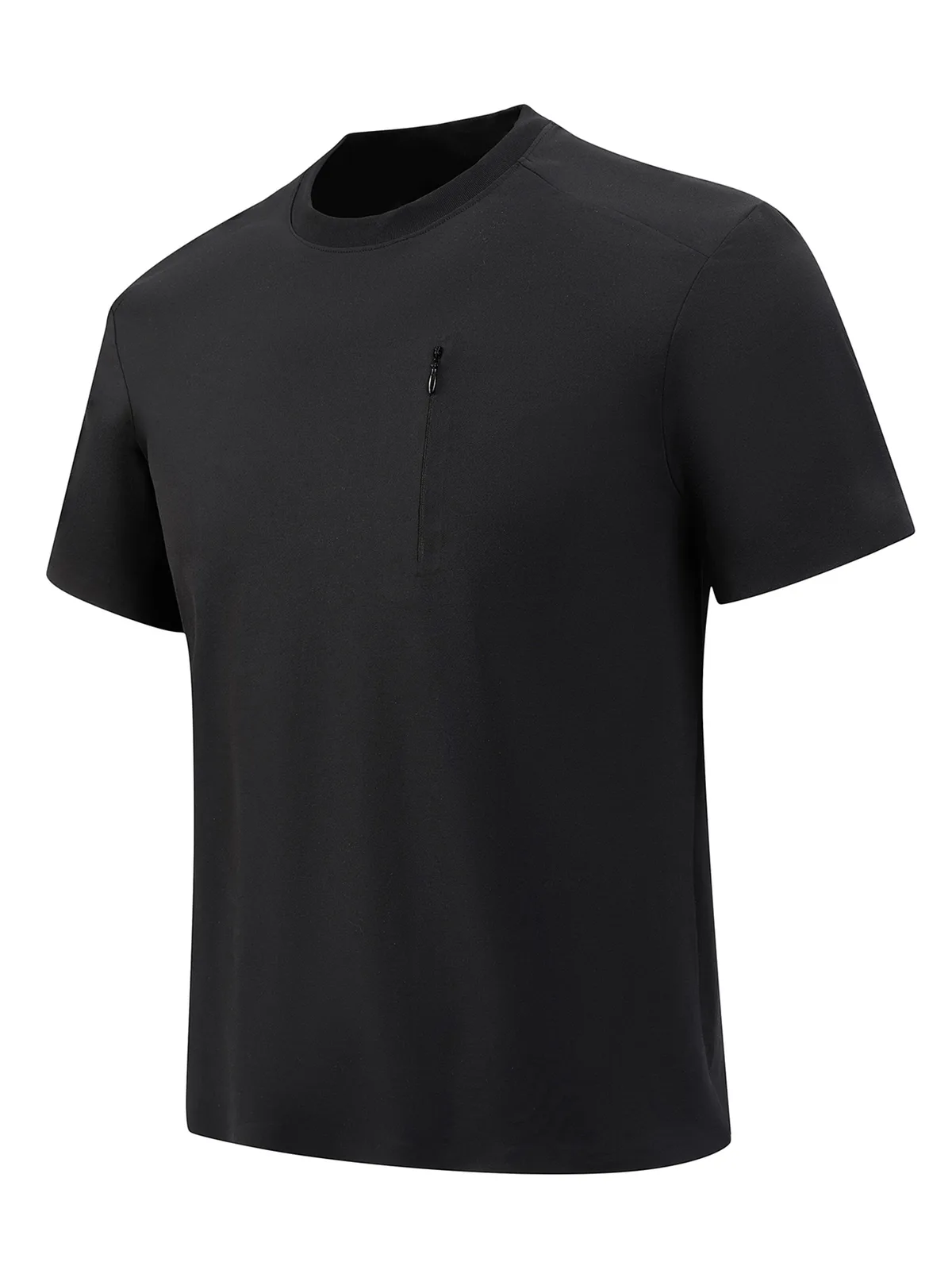
A piece that passes re-inspection goes back at full price — the first door, and the one a written grade settles in minutes.
Every returned garment faces three doors, and hesitation is the expensive part.
A returned piece can go back to the full-price rack, move to a clearance channel at a reduced position, or leave circulation entirely. None of the three doors is wrong; leaving a carton parked in the corridor while everyone waits for someone else to decide is. The value of a return decays quietly — the season moves on, sizes sell out elsewhere, and the garment that was sellable when the box arrived becomes a leftover by the time a decision does. Routing fast matters more than routing perfectly.
Grading rules belong on paper before the box arrives.
Deciding case by case, under time pressure, produces inconsistencies nobody can defend afterwards. The fix is a short written grade: which condition sends a piece straight back to sellable stock, which sends it to a discount channel, which writes it off. Who inspects, against which sealed sample, and who signs the grade are all part of the rule. When the standard exists before the return does, the decision at the box becomes an act of reading rather than negotiation.
Returns are feedback about the buy, not just goods to process.
A pile of same-style returns says something the sell-through data was already hinting at: the fit runs wrong somewhere, the product photos misled, or the style was bought deeper than the demand it found. Sorting returns by reason — not only by disposition — turns an annoying chore into a quiet report on your size chart and your selection. The next purchase order is where that report gets cashed in.
Some returns belong upstream, not downstream.
Not every customer return is the customer's fault. A seam that opened, a shade that differs from the approved sample, hardware that fails — those are quality claims wearing the costume of a retail return. Sorting by cause also separates what your own business absorbs from what can be raised with the supplier under the claim terms already agreed. Keep the two streams apart in your records; blending them quietly funds a supplier problem out of your own margin.
Before the next season's returns start arriving, put the flow on paper:
- Which condition returns a piece to sellable stock without debate.
- Which channel takes graded-down goods, and who owns their price.
- Who inspects returns, and against which sealed sample.
- Which return causes route upstream as supplier claims.
- How return reasons are recorded so the next buy can read them.
Returns are not the opposite of selling; they are sales arriving reversed, carrying information with them. Buyers who pre-write the routing rules process returns quickly, feed the lessons into the next order, and keep supplier problems on the supplier's ledger. The warehouse corner full of undecided cartons is not a returns problem — it is a missing rulebook.

What misses the grade leaves the full-price rack on purpose; a clear downgrade rule keeps discounted goods from drifting back.
Comments / 评论
No comments yet. Be the first.