Comparing Wholesale Quotations: Why the Lowest Unit Price Rarely Wins
When quotations for what looks like the same garment arrive with very different prices, the instinct is to celebrate the lowest and question the rest. Experienced buyers do the opposite: they treat the spread itself as information. A price difference is a message about what each supplier has assumed, included or quietly left out - and reading that message is a procurement skill of its own.
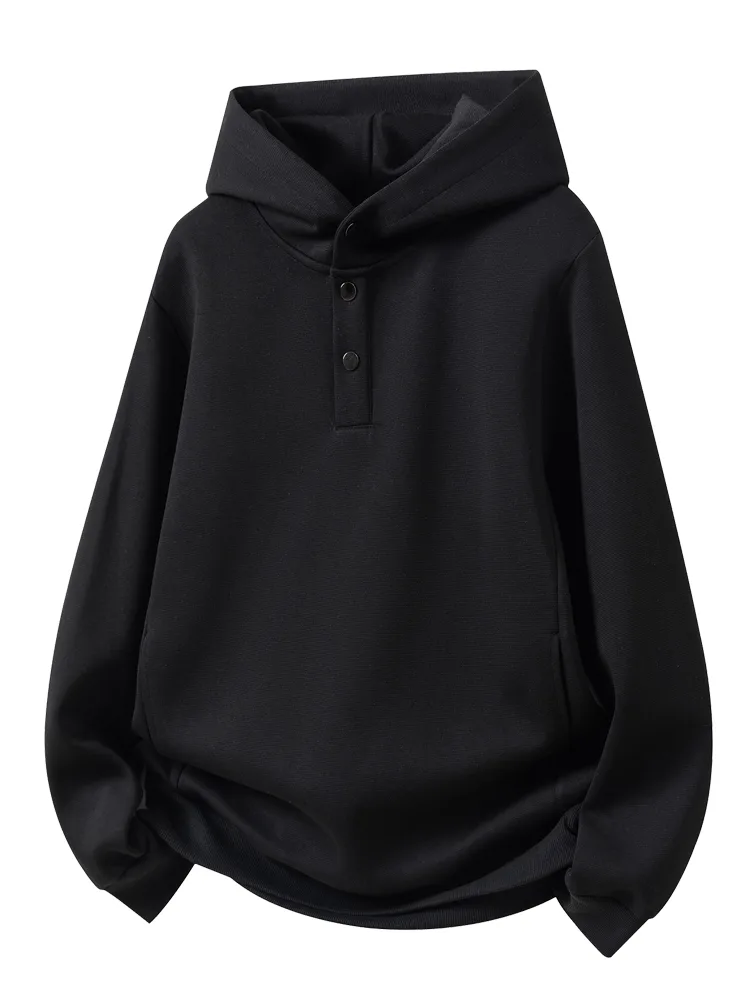
Every visible feature here - the buttoned placket, the lined hood, the kangaroo pocket - is a line in a supplier's cost build-up, which is why two honest quotes for a hooded sweatshirt can sit far apart.
A quotation prices a specification, not a garment type.
Every quotation is written against a brief, whether or not that brief is written down: the fabric and its weight, the trims, the construction, the finishing, the packing standard, the quantity band, and the point where responsibility transfers. Two suppliers quoting for a hooded sweatshirt can both be honest at completely different prices, because each is pricing a different set of assumptions. The buyer who sends one written brief to everyone - same fabric description, same size ratio, same packing requirement - turns a pile of incomparable offers into a comparison that means something.
What the unit price covers, and what it leaves out.
A unit price is a summary, not a full account. Inside it sit material, cutting, sewing, finishing, trims and packing for the agreed quantity band. Around it are the items that get quoted separately or assumed silently: sampling, testing, upgraded packing, freight, insurance, duties, and the cost of changes made after approval. A disciplined buyer asks every supplier to state inclusions and exclusions in writing - not because suppliers hide them, but because assumptions differ from desk to desk, and differing assumptions are exactly where comparisons break.
Two offers can only be compared on the same brief.
Comparison starts with normalisation: same specification, same quantity, same packing standard, same shipping responsibility, same payment arrangement. Once those align, the differences that remain point at real things - fabric quality, workmanship, efficiency, margin - and become worth a conversation. Comparing prices that were quoted against different briefs measures nothing except how different the briefs were.
A price has a life: validity, currency and cost movement.
A quotation is a snapshot. Material, trims and freight all move, and currencies move with them, which is why responsible quotes carry a validity period. Buyers planning to order later should ask what happens when that window closes: whether the price can be held with a confirmed order, how a material cost change would be handled, and whether the figure is fixed or floating. Locking the price with the order rather than with the intention is the same discipline that locks a production slot - and it protects the margin the whole comparison was fought for.
Before comparing or accepting any quotation, check:
- That every offer was requested against one written specification, not verbal descriptions.
- That inclusions and exclusions are stated: sampling, testing, packing standard, freight, insurance, duties.
- That the quantity bands are the same across offers, since price follows volume.
- That the validity period and the currency basis are written on the document.
- That changes after sample approval have an agreed cost and an agreed process.
Practical takeaway.
The lowest unit price wins only when everything around it is equal - and it almost never is. Read each quotation as a set of assumptions, normalise the briefs before comparing, and lock the price with the order. The cheapest order is not the one with the smallest figure on it; it is the one whose assumptions you have read, understood and agreed with.
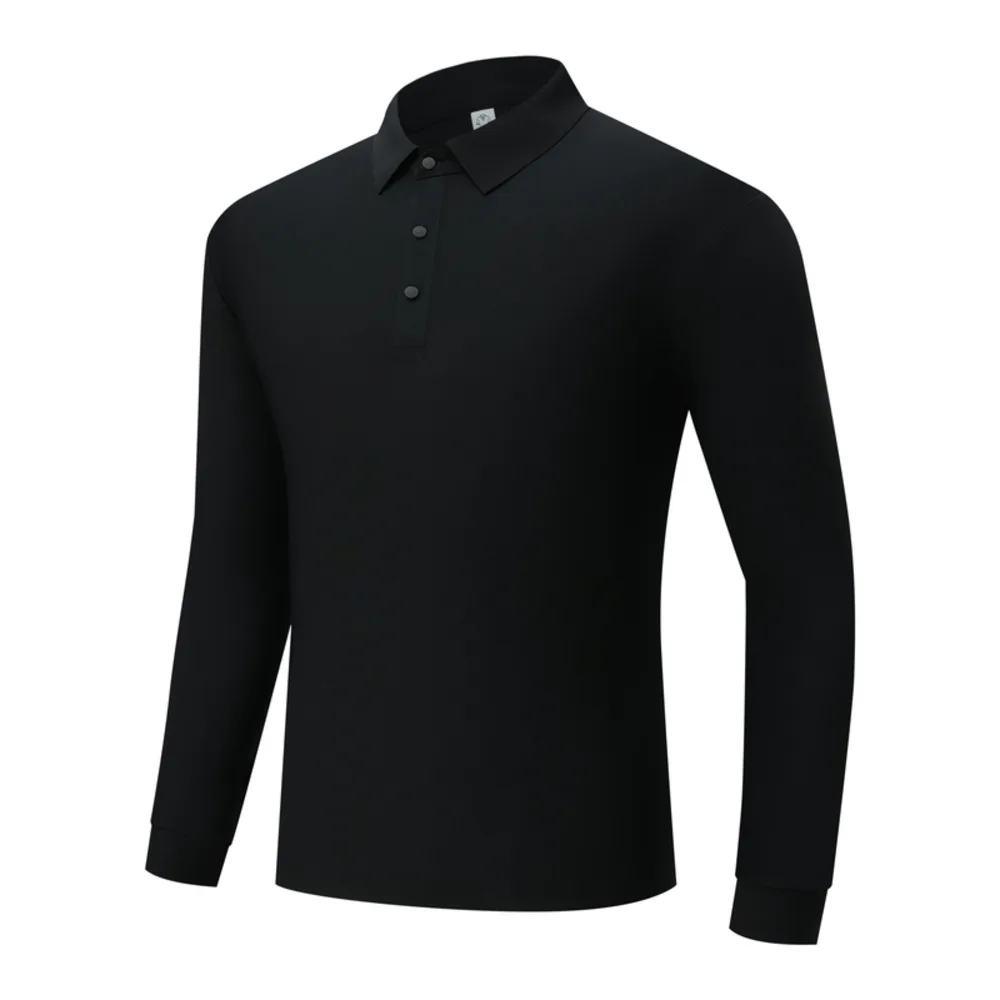
Holding every supplier to the same written brief - same fabric, same trims, same packing - is what turns a stack of quotations into a comparison instead of a guessing exercise.
Comments / 评论
No comments yet. Be the first.