Who Actually Sews Your Wholesale Order: Capacity Ownership and Subcontracting Visibility
Every wholesale order carries a factory name — usually the one printed on the quotation. But the quotation names the party you pay, not always the hands that sew. A buyer who reads their own order file already knows what was promised; a buyer who walks a workshop sees one floor of one building. Between the two sits the structure nobody volunteers: which operations stayed inside, which went out, and who answers for the seams between them.
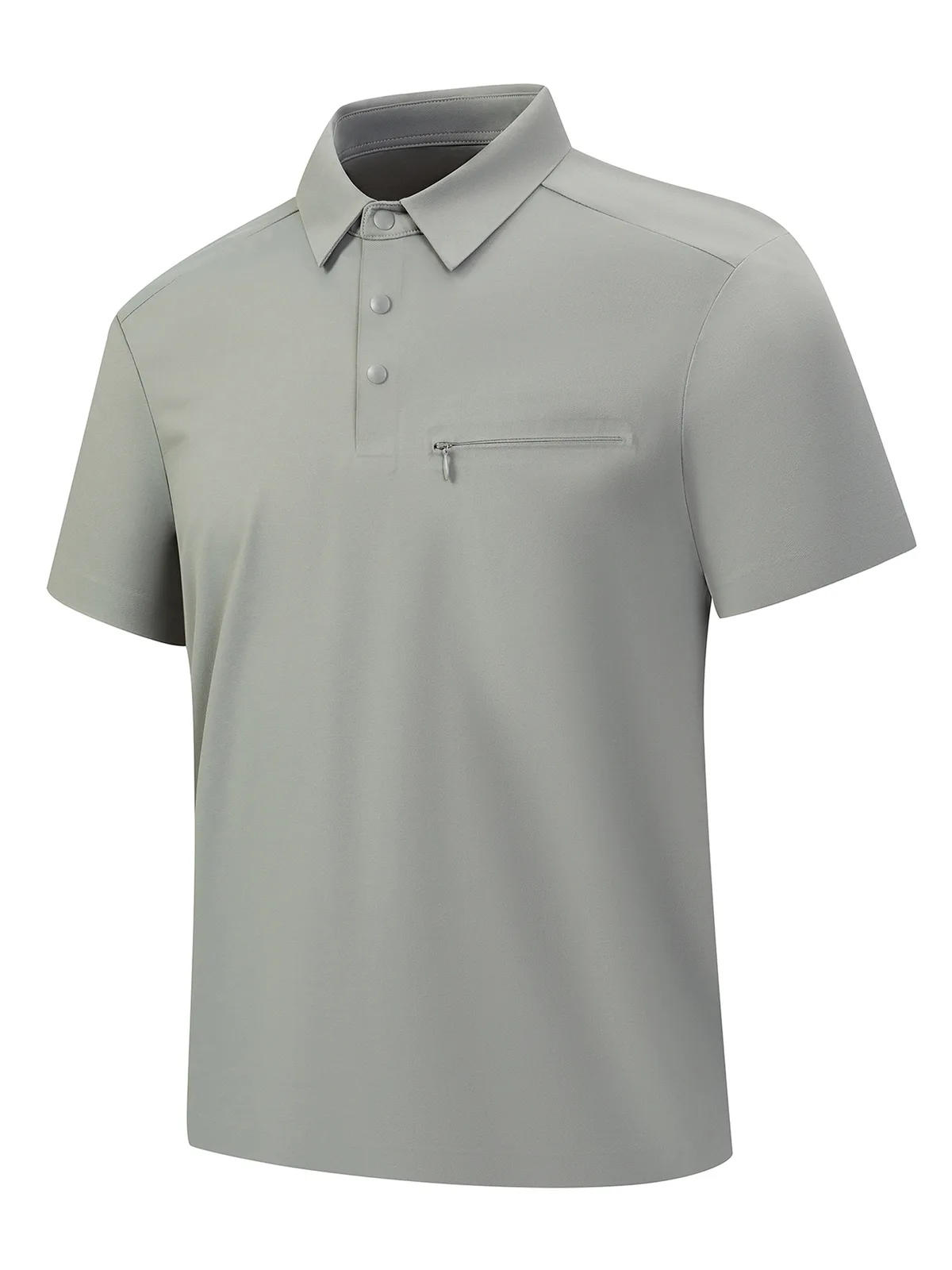
A polo with a snap placket and a zip chest pocket bundles several distinct operations, and they do not all have to sit under one roof — what matters is that each one stays answerable to the same sealed sample.
The name on the quote names the contract, not necessarily the hands.
A quotation is a commitment by one party, and that party can be excellent at certain operations while relying on neighbours for others. Knitting, dyeing, cutting, sewing, finishing and packing rarely all sit under a single roof, even when the head factory presents itself as the whole chain. None of this is a fault by itself. It becomes a fault the day a delay or a defect appears and nobody has said where that operation actually lived.
In-house and outsourced work fail in different places.
Operations inside the signing factory sit under its own supervision: its pace, its habits, its accountability. Operations sent out inherit another workshop's habits instead. The risk is not that outside workshops are worse — some are better. The risk is visibility. Sealed samples and inspection standards travel less reliably across a subcontracted boundary, and a delivery date now depends on a schedule the signing party watches from one step away.
Ask which operations stay inside and which go out.
The question costs nothing and sorts suppliers quickly. A confident answer runs style by style: cutting and sewing here, the finishing there, the packing back under our roof. A vague answer — everything declared ours without detail — is itself information. Then ask the harder question: when a step travels out, who schedules it, and who checks the result against the sealed sample before it comes back.
Responsibility for outsourced work stays with the party you signed.
Subcontracting can be normal, invisible to the buyer and perfectly legitimate; the contract is still with the signing party, and that belongs in the order text. The sealed sample governs every operation wherever it is performed. Inspection rights extend to any workshop that touches the order. The delivery date binds the signer no matter how many hands the goods pass through. A supplier who resists these lines is pointing at where the structure will hurt.
A supplier who volunteers the structure is worth reading closely.
Volunteered disclosure is a credibility signal more reliable than any certificate. When a supplier explains unprompted which operations they hold and which they place outside — and gives the reason, capacity or specialisation — they are describing a chain they already manage. Silence or softness on the same subject suggests a chain they would rather not map in front of you.
Before signing, the capacity structure should survive this list:
- The operations kept in-house are named, style by style.
- The operations sent out are disclosed, with the reason they travel.
- The sealed sample and inspection rights follow the goods wherever they are sewn.
- The delivery date binds the signing party across every outside workshop.
- The structure sits in the order text, not in a corridor conversation.
Nobody expects a single roof. Buyers expect a single answer. Knowing who sewed the order — and who answers for it — turns a defect from a mystery into a conversation with an address. That is what capacity ownership really buys: not fewer hands on the garment, but a shorter distance between a question and the person who can settle it.
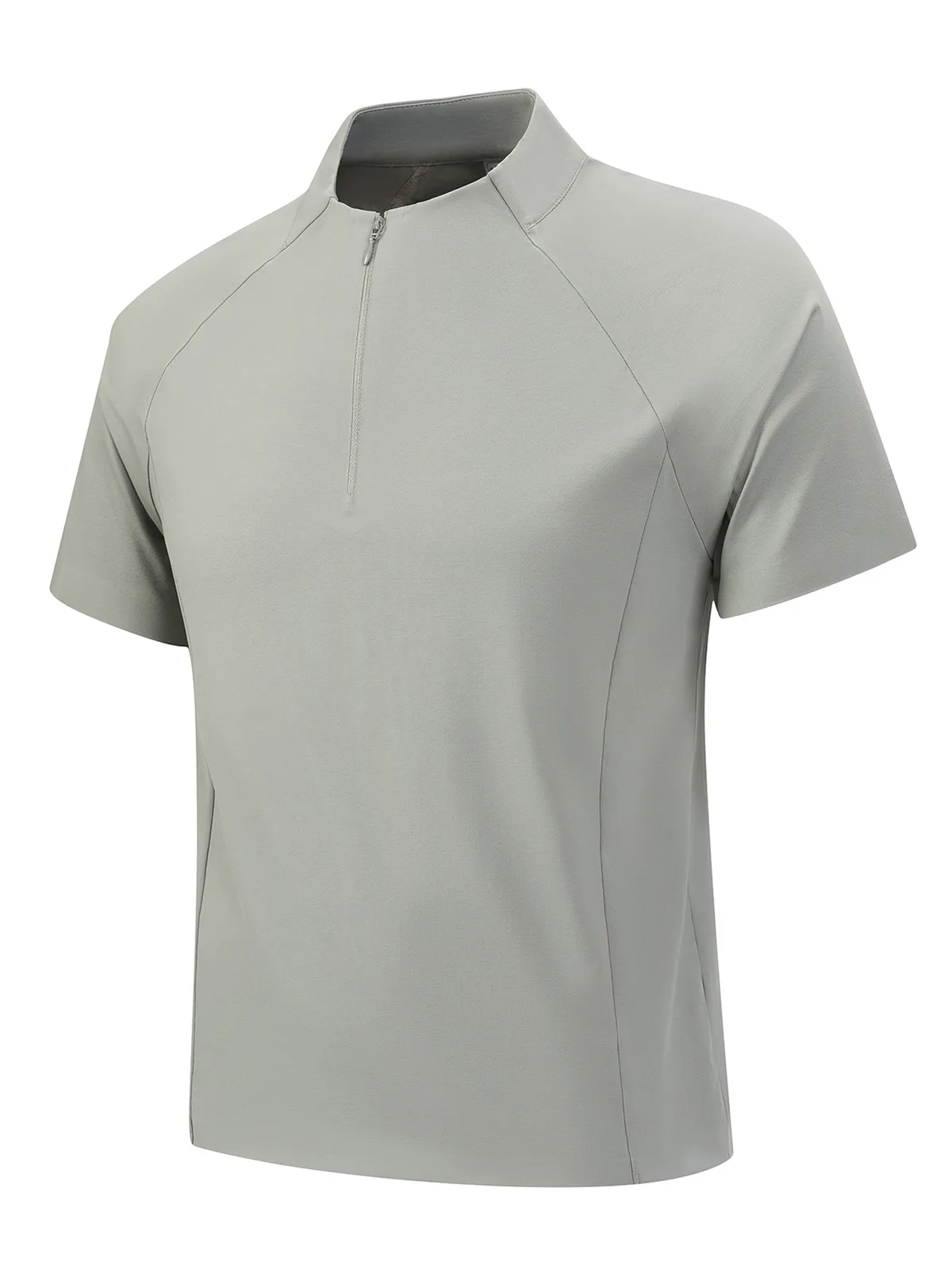
Even a plain half-zip polo carries handovers — raglan seams set in one pass, the zip tape in another — and every handover is a place where visibility either holds or quietly drops.
Comments / 评论
No comments yet. Be the first.