Canton Fair Third Phase: A Buyer's Checklist for the Apparel Halls
The third phase of the autumn session is where the apparel lives. The halls that open in late October carry menswear, womenswear, knitwear, sportswear, fabric and the trim that goes with all of it - and they are packed. Buyers who walk in with a plan come out with names, swatches and numbers to verify. Buyers who walk in to browse come out with a badge, a sore back and a bag of cards they cannot match to a single conversation.
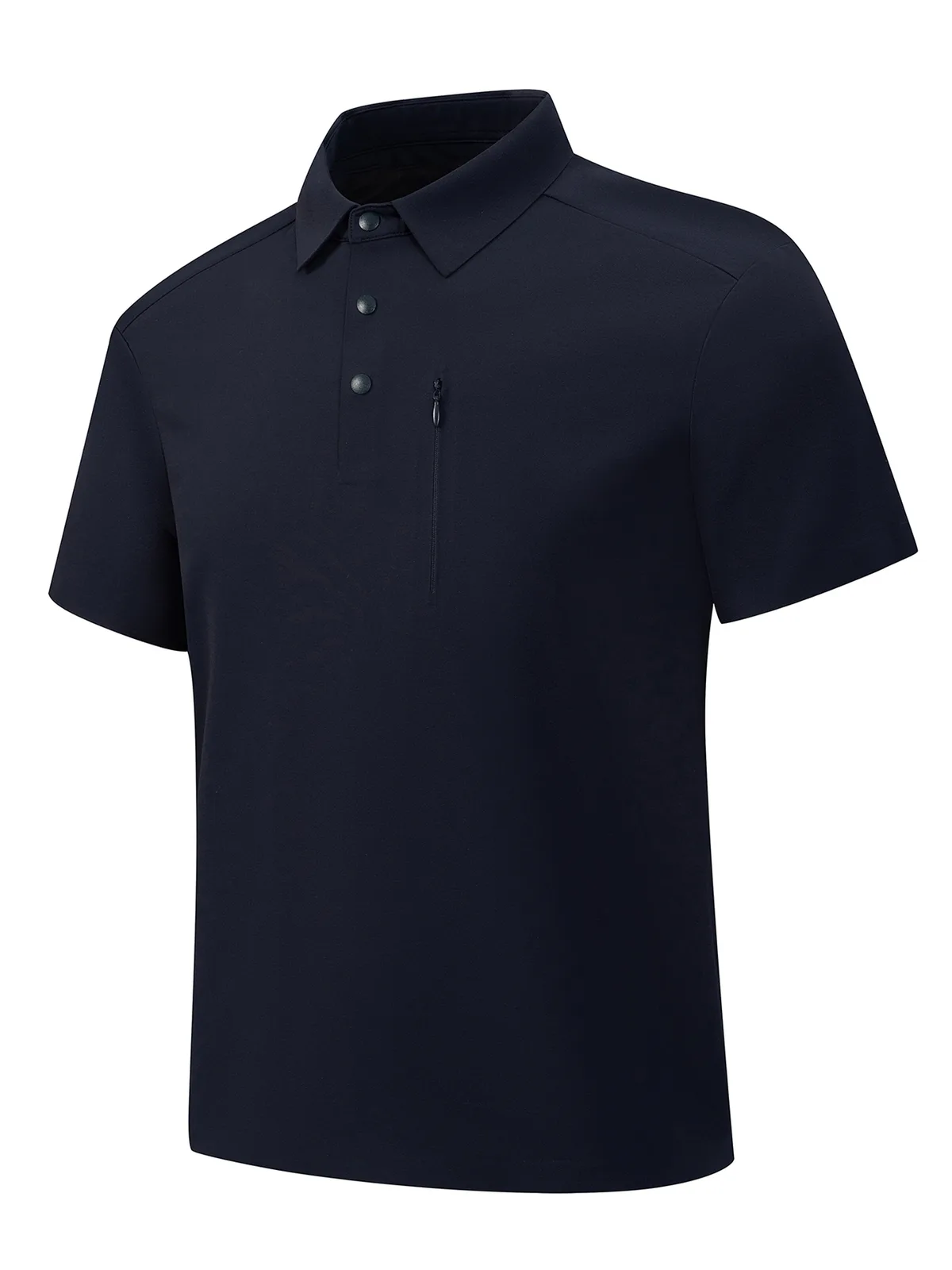
A polo shirt presented the way most booths present samples: clean background, clear silhouette. What the display cannot tell you is which parts of it were made in-house.
Walk the floor with a category list, not a curiosity list.
Before you enter, write down the categories you actually buy, plus the two or three you are only curious about. The third phase is enormous: menswear sits near underwear, sportswear near fabric suppliers, footwear near bags. Every hallway is a detour waiting to happen. Give each target category a time block, and let the curiosity items take whatever is left at the end of the day.
Ask what a booth makes, not what a booth shows.
A booth can display a hundred styles, and that tells you nothing about capability. The question that separates a maker from a middleman is simple: which of these do you produce yourselves, and which do you buy in to fill the stand? Neither answer is bad, but they mean different things for price, for quality control and for how fast a repeat order can move. Ask it early, and listen to how directly it is answered.
Record the conversation while it is still fresh.
By the evening of a show day, a dozen conversations blur into one. Tag every card and photo with what you actually discussed: the style, the fabric, the quantity you asked about, the point you disagreed on. A photograph of a garment means nothing in a month. A note that reads "same shirt, heavier knit, asked about a mid-size programme" is a briefing your future self can act on.
Agree how a sample will reach you before you leave the booth.
Booths are loud and staffed thin, and "I will send you something" evaporates. Decide on the spot: which style, which colour, sent to which address, and who covers the courier. Write it on the card. The buyers who get samples are rarely the ones who asked hardest - they are the ones who made the arrangement concrete before walking away.
Keep it simple. What you actually need on the floor:
- A written list of the categories you buy, with a time block for each.
- A way to record conversations - notes on cards, a folder of tagged photos.
- A target quantity range per style, so the prices you hear mean something.
- An envelope or folder for swatches, kept separate from the flyers.
- Comfortable shoes, and the discipline to stop when the notes run dry.
Practical takeaway.
The fair rewards preparation, not stamina. Decide your categories, ask what is made in-house, record what was said, and fix the sample arrangement before you leave each booth. Do that consistently and the show keeps working for you long after the halls close.
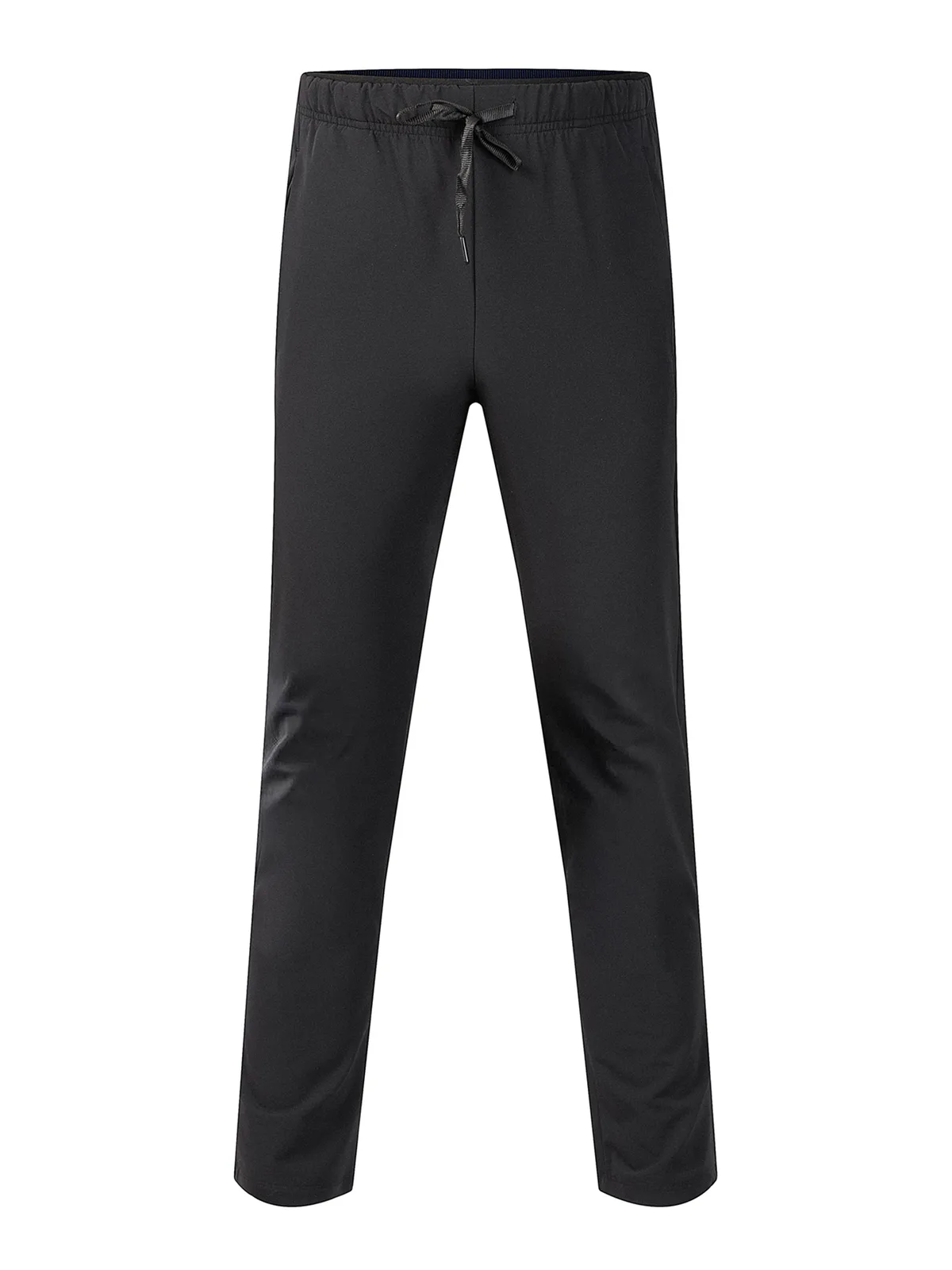
Jogger pants laid flat with the drawcord and cuffs visible - exactly the details worth photographing and tagging with the conversation you had at that booth.
Comments / 评论
No comments yet. Be the first.