Wide or Deep: Shaping the Assortment Behind a Wholesale First Order
Every wholesale buyer eventually stands at the same fork: spread the budget across many styles, each in a shallow quantity, or concentrate it on fewer styles, each in real depth. The question sounds like taste, but it is an inventory structure decision, and it decides what a first order is actually buying. An earlier piece here compared stock and made-to-order routes, which are about speed and control; this one is about how the quantity itself is shaped. Both bets are rational. They simply lose money in different ways.
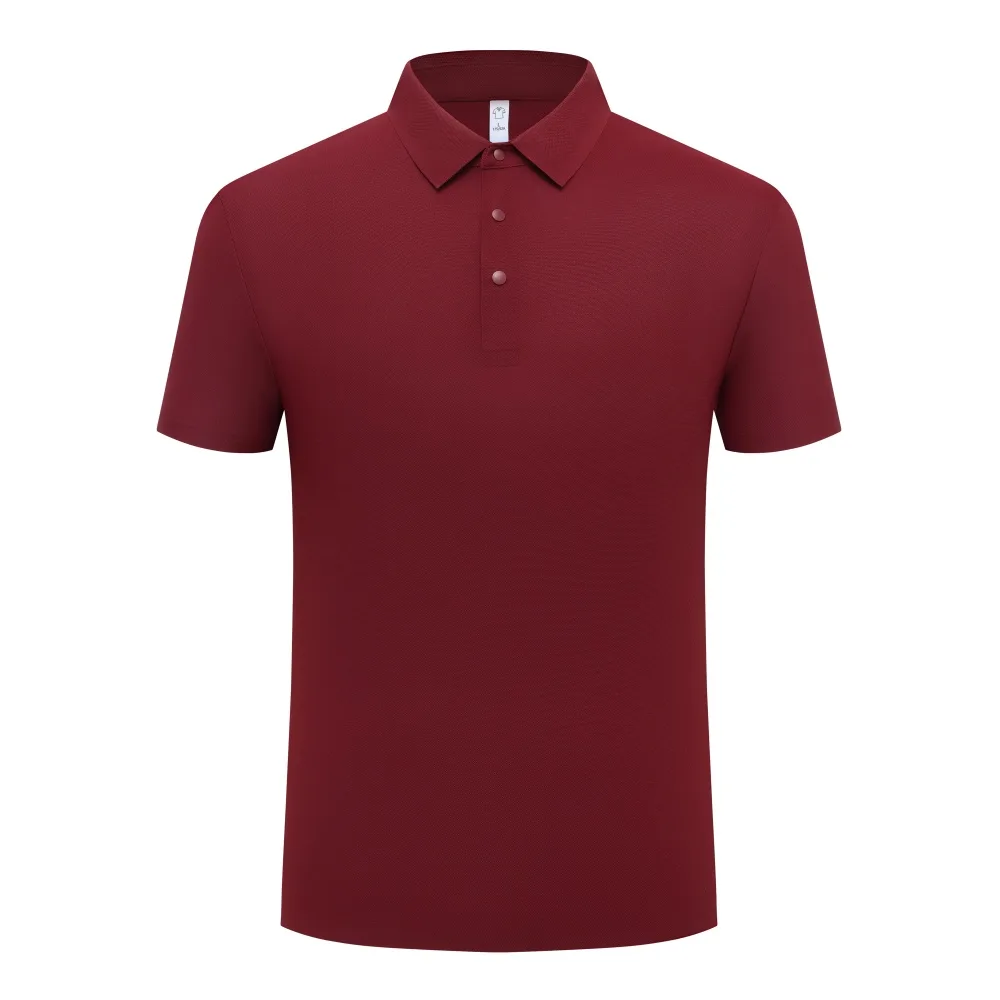
Depth is a conviction position: real units behind one silhouette you expect to keep selling, rather than a token quantity that disappears in its first good week.
Width is a bet on your hit rate; depth is a bet on one style's stamina.
Buying wide means many styles and colours, each carried shallowly; the bet is on selection, and the winners pay for the losers. Buying deep means fewer styles with more units behind each, so a style that works keeps working through the season instead of vanishing after a fortnight. Neither side is safer: width loses money on styles that never move, depth the day the backed style stops moving.
Depth sets your restocking pressure, and width sets your trial cost.
The two bets tax you on different schedules. A deep buy front-loads the commitment: if a style runs, it runs out early, and every strong week behind it is a week spent deciding whether to chase it, a decision that arrives with freight, minimums and calendar risk attached. A wide buy spreads the risk thin: each miss costs little, but so little stock sits behind each style that nothing builds momentum, and the bestseller disappoints customers in its best week. Which pressure you feel first tells you which bet you actually placed.
Real buying is a mix, and the mix is the actual decision.
Few buyers run pure width or pure depth. The workable structure carries shallow positions on candidates and real depth behind the few styles with evidence: past sell-through, a repeat customer, or a proven silhouette. A first order is therefore a small portfolio: which styles get a trial, which few get the depth. Buyers who split the budget evenly across everything are not being cautious; they are declining to state which styles they believe in.
Before committing a first-order structure, answer each point in writing:
- Which styles are trials and which are convictions, and how the quantity shows the difference.
- What evidence supports the depth on each conviction style.
- What a refill of the conviction styles would cost in time, not only in price.
- Which colour or size within each style carries the depth, and why.
- The point at which a shallow trial is promoted to depth, set before the season.
Work backwards from the cost of a refill, not forwards from the wish.
The cheapest way to size a first order is to start at the refill. If a style succeeds, the next units arrive by refill, a path with its own cost and its own calendar. When refilling is easy, shallow first quantities are cheap insurance, because a miss is recoverable. When refilling is hard, shallow depth on a proven style donates its best weeks to whoever else stocked it. Look at the supplier's real ability to refill before deciding how deep the first order needs to be, because depth is partly a hedge against your own supply chain.
Width and depth are not competing virtues; they are two instruments, and the allocation between them is the order. Decide which styles are trials, which are convictions, and what a refill would truly take, and the first order stops being a guess about taste and becomes a position you can defend.
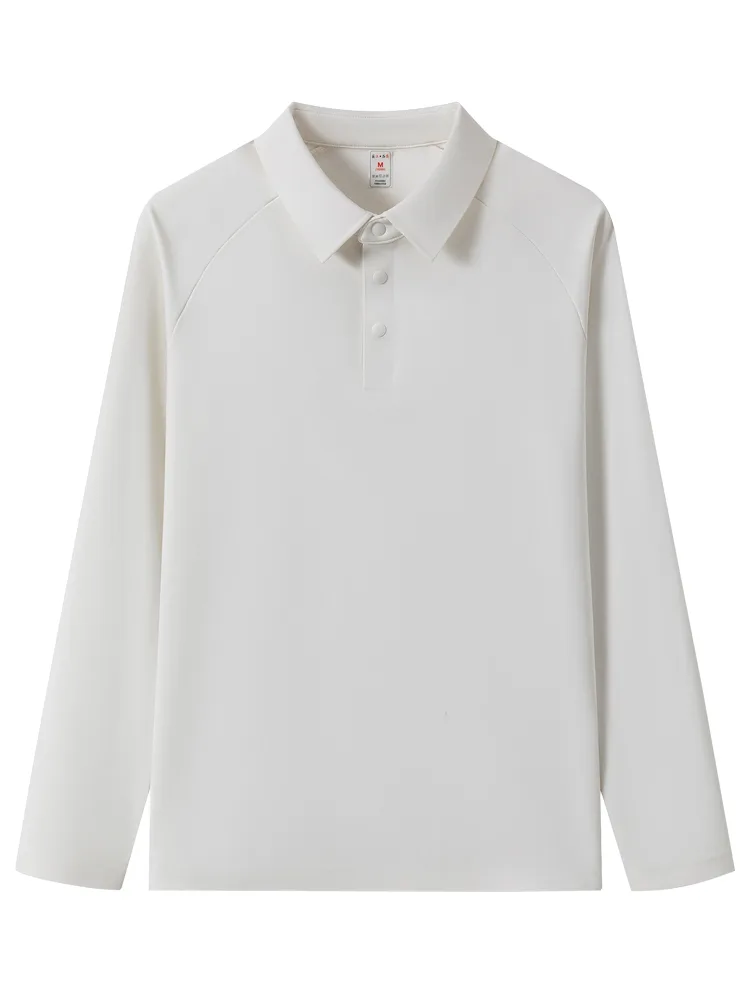
Width is the trial layer of an assortment: many silhouettes at shallow quantity, so a season's misses cost little and the winners earn their depth with real selling behind them.
Comments / 评论
No comments yet. Be the first.