When Goods Arrive Wrong: How Wholesale Buyers Handle a Claim
The worst email in wholesale is not about price. It arrives after the container is emptied, when a carton is opened and the goods inside are not what the order said they would be. What happens in the days that follow decides whether the problem becomes a fair settlement or an argument that outlives the season. Buyers who handle arrival problems well share habits, not luck.
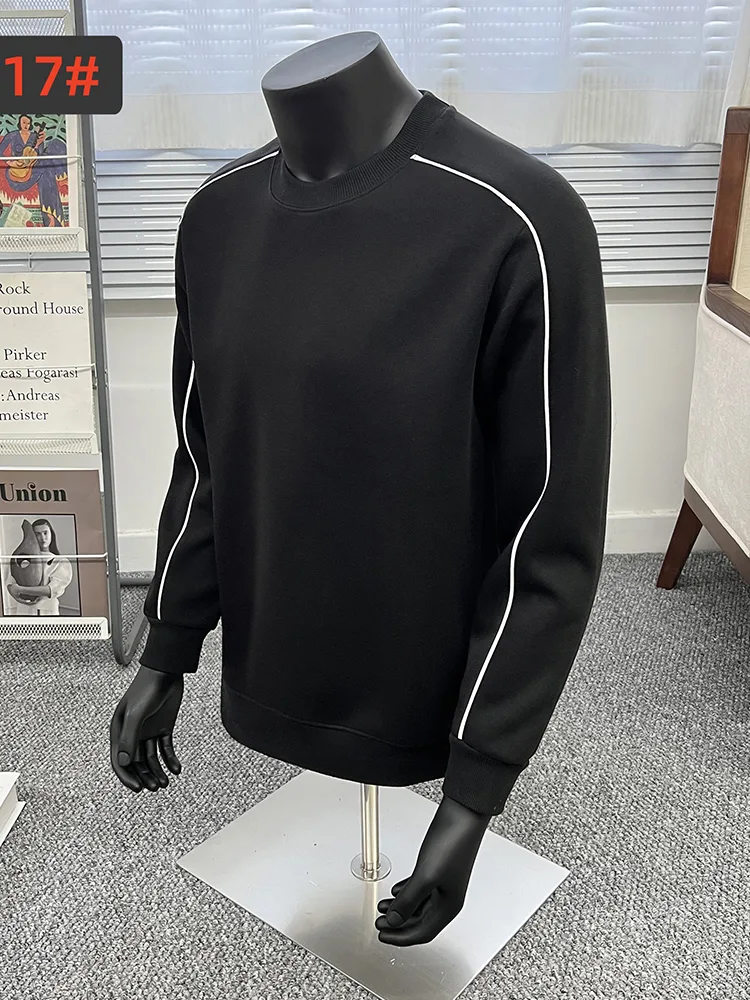
Defects hide where workmanship shows: seams, collars and hems are exactly where an arrival check should look first - and where claim photos should point.
The claim clock starts when the cartons are opened.
Inspect on arrival, before stock is broken up and pushed to shelves or onward to customers. Once cartons disperse, evidence disperses with them: the original packing, the carton marks, the condition of the load. Opening everything is not required; opening a spread of cartons taken from different positions in the container is. If damage is visible from the outside, photograph the container, the seal and the affected cartons before anything is moved.
Evidence carries the claim, not the complaint.
A message saying the quality is poor gives a supplier nothing to act on. What works: the carton label photographed beside the affected pieces, the packing-list line each carton belongs to, wide shots showing the problem in context, close-ups showing it clearly, and a count of how many pieces are affected and from which cartons. Keep affected cartons intact and separated from saleable stock - inventory that has been mixed quietly ends the conversation.
Naming the problem correctly decides the remedy.
Short shipment, wrong item, workmanship defect, cosmetic deviation, transport damage - these are different problems with different owners. Goods damaged in transit with the seal already broken are usually a carrier conversation, not a supplier one. A workmanship flaw repeating across cartons points at bulk production, and a claim should say so. Ask for the remedy that matches: replacement, a credit against the next order, rework at destination, or return - and agree who carries the freight before anyone ships anything.
Prevention is written before the next order.
The strongest claims are the ones never argued, because the rules existed in advance: in writing, what counts as an acceptable cosmetic deviation, which findings qualify as defects, by what point after arrival a claim must be raised, and which remedy applies when. Feed the findings back, too. The root cause behind a claim is exactly the line to tighten on the next order - and a replacement batch deserves its own inspection, not a pass because the relationship is warm.
Before you sign off an arrival, hold on to:
- Photographs of the seal, the carton marks and the outside condition, taken before anything is moved.
- A spread of cartons opened from different positions in the load, not only the ones on top.
- Carton labels photographed beside the affected pieces, matched to their packing-list lines.
- Affected cartons kept intact and separated from stock that will be sold.
- The claim raised in writing, with the count, the remedy requested and the freight position stated.
Practical takeaway.
A claim handled with evidence, correct naming and a calm request is routine business, not a relationship crisis. Treat the arrival like an inspection, write the rules before the next order, and claims become rare - because suppliers ship more carefully for buyers who check well.
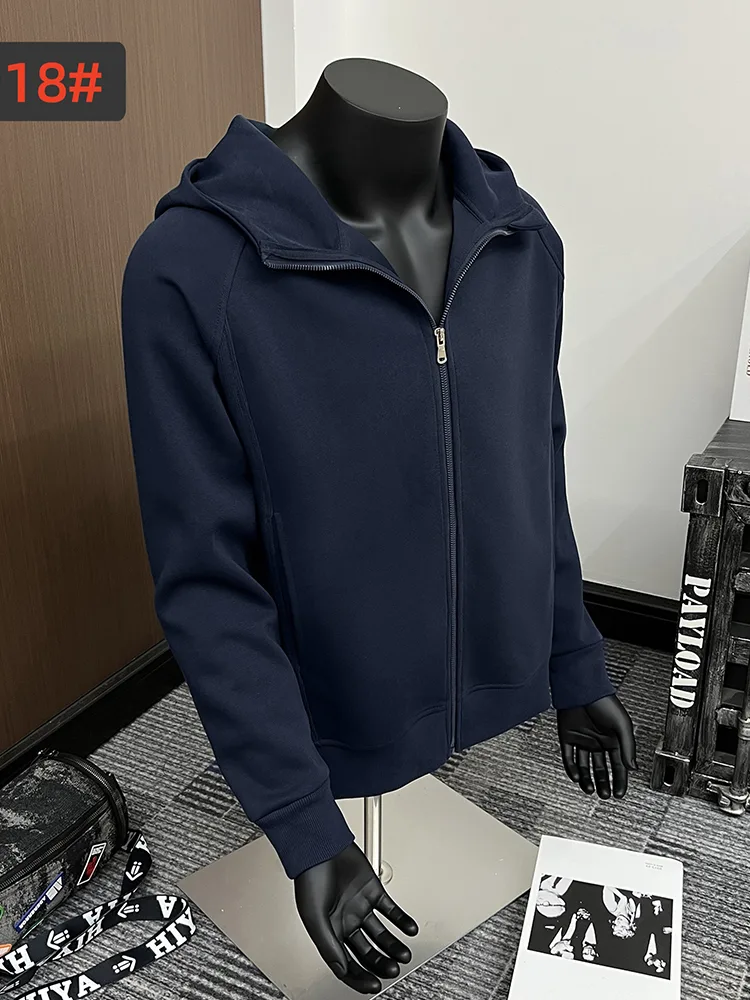
Function is checked on the body, not in the flat photo: closures, hood and fit are compared against the approved sample before the cartons are signed off.
Comments / 评论
No comments yet. Be the first.